What non woven actually means
A woven fabric is made from yarns crossing at right angles. A non woven is made by bonding or entangling fibers directly into a sheet, with no yarns and no weave. That is why a non woven bag has a slightly papery, plasticky feel and why its cut edges do not fray.
The absence of yarns is also the weakness. A woven canvas distributes a load along its yarns, and a small cut stops at the next yarn. A non woven sheet has no such structure, so a nick at a stress point can run. Breaking strength and elongation of both woven and non woven fabrics are measured by the same grab test method, ASTM D5034, which is how the two can be compared at all.
The gsm ranges side by side
| Material | Typical range | Feel | Realistic reuses |
|---|---|---|---|
| Non woven polypropylene | 60 to 80 gsm | Thin, papery, folds flat | A handful of trips |
| Non woven polypropylene | 90 to 120 gsm | Structured, stands up | Many trips if kept dry |
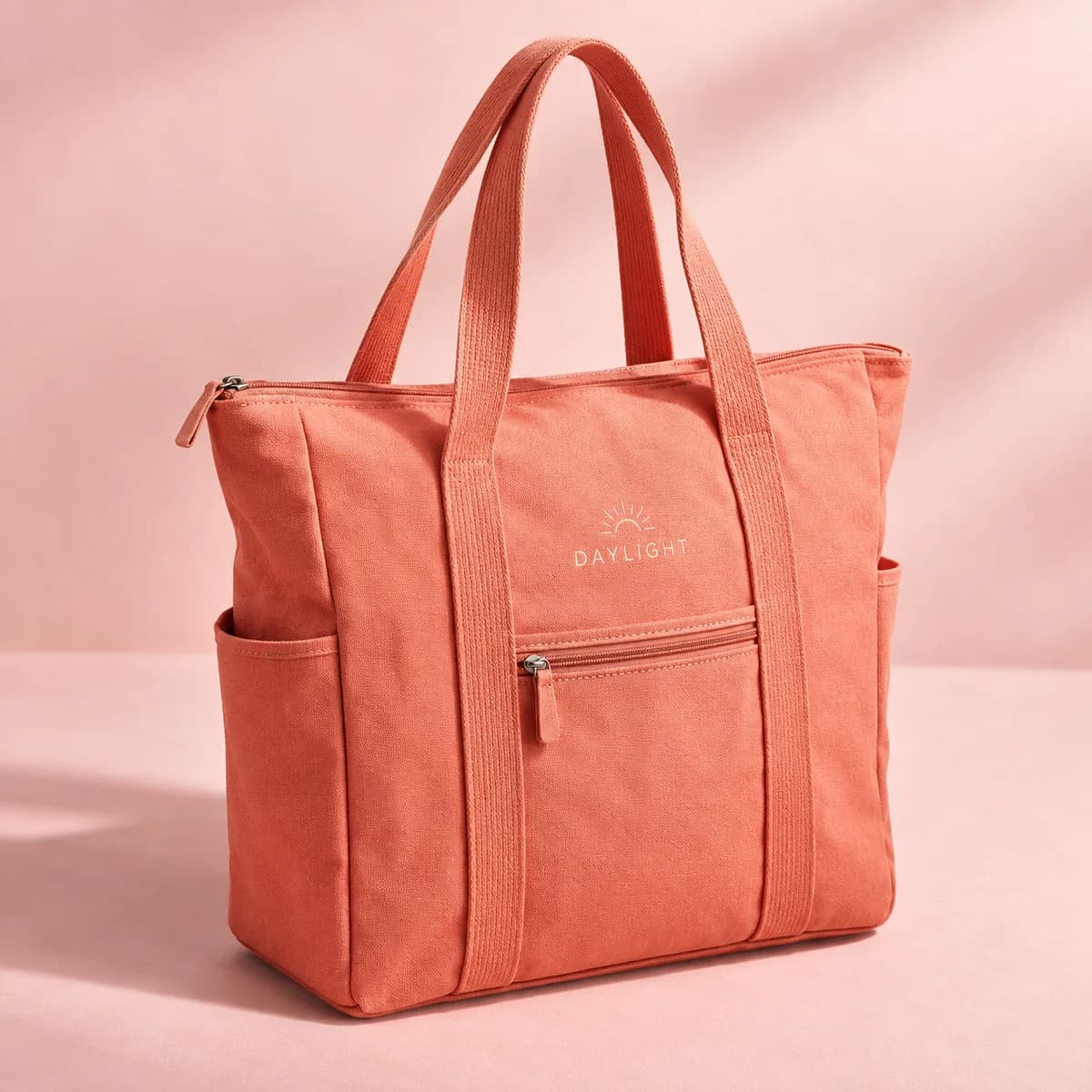
| Cotton canvas | 200 to 270 gsm | Soft, drapes, natural | Years with spot cleaning |
| Cotton canvas | 270 to 340 gsm | Firm, holds shape | Years under real load |
| Recycled cotton blend | Varies | Firm, abrasion resistant | Years, higher load ratings |
Read across rather than down. A 120 gsm non woven bag and a 260 gsm canvas bag are not two points on one scale; they are different products that happen to share a unit.
Which lasts longer in practice?
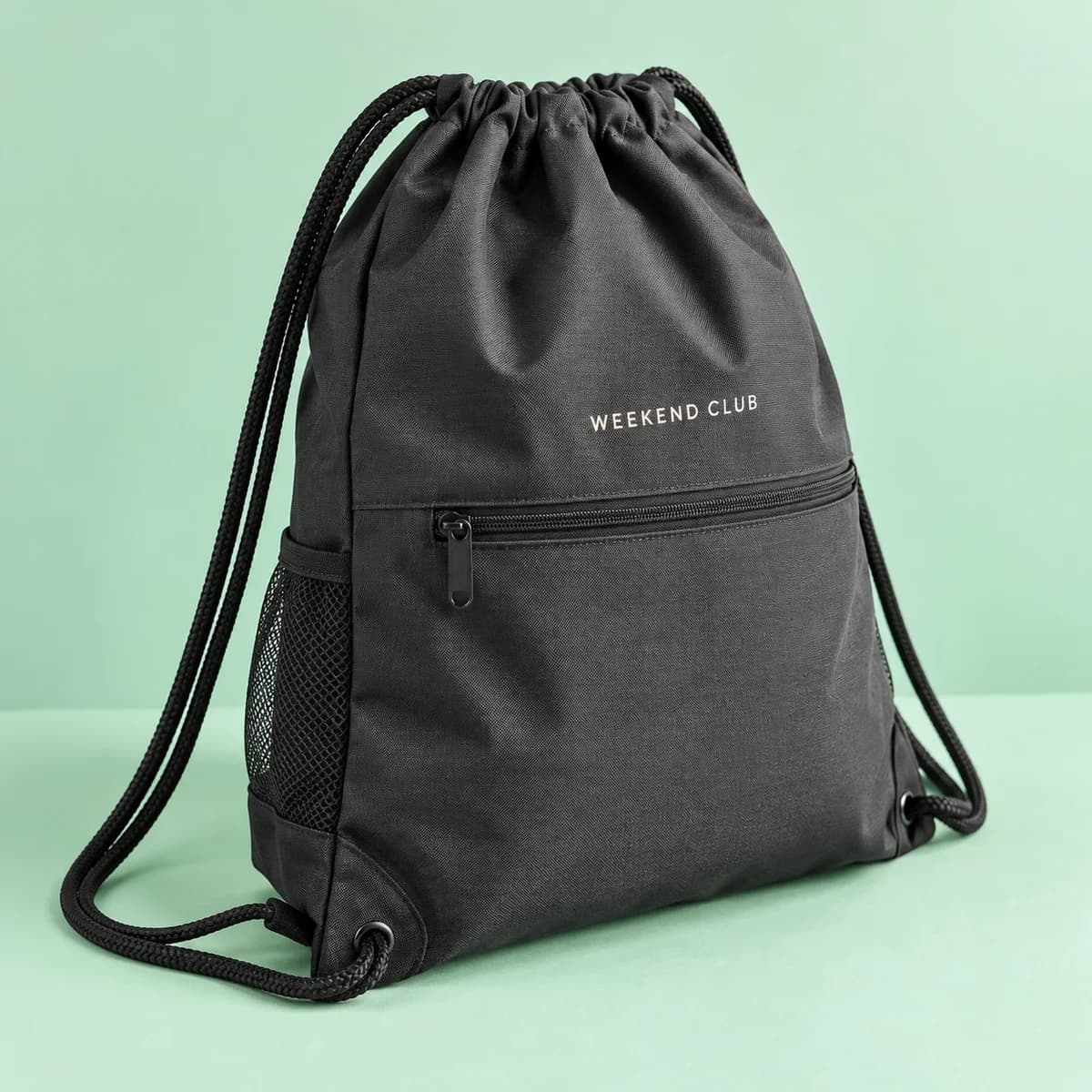
Cotton canvas, by a wide margin, provided the bag is not soaked and left wet. The drawstring bag in this catalogue is 260 gsm cotton canvas with a 20 liter capacity, and the travel and gym bag is a 55 percent recycled cotton and 45 percent polyester blend rated to hold up to 22 lbs.
Non woven wins on three other things. It is cheaper per unit at volume, it folds flat for shipping and storage, and it shrugs off a splash better than untreated cotton. For a bag handed to a thousand people at a single event, those advantages are real.
What non woven does not do is survive washing. A cotton bag can be spot cleaned repeatedly and, if undecorated, washed. A non woven bag becomes visibly tired after very little handling and cannot be laundered.
Washability is a legal question too
This is where material choice meets regulation. New York's Bag Waste Reduction Act defines a reusable bag as one made of cloth or other machine washable fabric that has handles, or a durable bag with handles specifically designed and manufactured for multiple reuse. Machine washable fabric with handles is a description a cotton canvas tote fits and a thin non woven sheet does not.
California has moved further. Since January 2026, covered stores may only provide recycled paper carryout bags at the point of sale, and plastic film bags are prohibited regardless of thickness or reusable labelling. Recycled paper bags must contain at least 40 percent postconsumer recycled material, rising to at least 50 percent from January 2028.
Roughly a dozen states plus the District of Columbia regulate carryout bags in some way, and the details differ. If your bag will be handed over at a checkout, check the state before you specify the material. The guide to reusable bag laws sets out what to look for.
What does each material do to your print?
Non woven takes screen printing and heat transfer well, because the surface is smooth and uniform with no weave texture. Large flat color looks clean. What it does not tolerate is heat, because polypropylene softens, so application temperatures are lower and more tightly controlled than on cotton.
Cotton canvas has a visible weave that a thin ink film sits on top of. That texture is part of the natural canvas look, and it rules out hairlines and small text regardless of fabric weight. Cotton also takes embroidery, which non woven does not do well: stitches perforate a bonded sheet rather than locking into yarns.
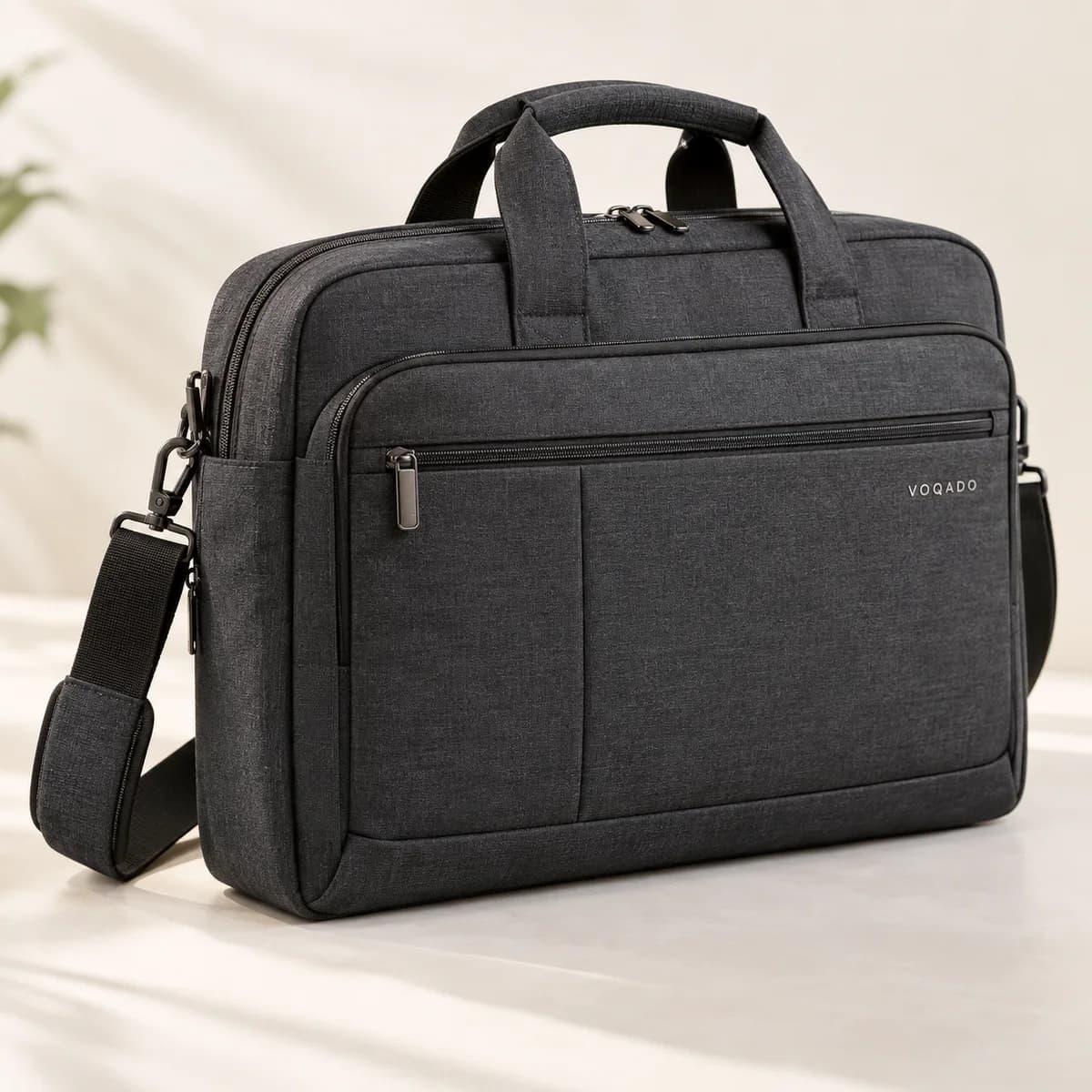
In this catalogue the decoration choices reflect that. Cotton drawstring bags take heat transfer or direct to garment. Structured recycled PU messenger bags and briefcases take embroidery or heat transfer. Bags without a published method have their decoration template sent before production, and the method is confirmed after you order.
Making an environmental claim about either
Both materials attract claims that need care. Polypropylene is a plastic; cotton is agricultural. Neither is automatically the better answer, and a bare word such as eco or green is not a claim you can support.
The FTC Green Guides set out general principles for environmental marketing claims, how consumers are likely to interpret particular claims, and how marketers can qualify claims to avoid deceiving consumers. In practice that means stating the recycled percentage, what it applies to, and nothing you cannot evidence. The backpacks here are described as a 100 percent recycled plastic shell, and laptop bags as 600D polyester made from recycled polyester, which is the level of specificity to aim for.
Choosing between them
- One event, very high quantity, cost per unit dominant: non woven at 80 to 100 gsm.
- A bag you want people to keep and reuse: cotton canvas at 8 oz or more.
- Handed over at a retail checkout: check the state rules first.
- Embroidery required: cotton or a structured woven, not non woven.
- Rain likely and load heavy: a coated or recycled polyester bag instead.
Reusable bag material checklist
- Do not compare gsm across materials as if it were one scale.
- Ask how many trips the bag realistically has to survive.
- Choose cotton or a woven blend if the bag must be washable.
- Check the state carryout bag rules before specifying a checkout bag.
- Keep print strokes generous on canvas, and expect tighter heat limits on non woven.
- State recycled percentages precisely rather than using a bare green claim.
Frequently asked questions
What gsm is a good non woven bag?
Around 80 to 100 gsm for a promotional bag that should survive more than one trip, and 120 gsm or more for a structured shopping bag. Below about 70 gsm the bag is effectively single use. Remember that non woven cannot be laundered, so gsm buys stiffness and tear resistance rather than a longer washable life.
Is non woven polypropylene the same as fabric?
It is a fabric in the broad sense, but it has no yarns and no weave. Fibres are bonded or entangled directly into a sheet, which is why the edges do not fray and the feel is slightly papery. Without yarns to stop a tear, a nick at a stress point can run, which woven canvas resists.
Which reusable bag lasts longest?
Cotton canvas or a cotton and polyester blend, kept dry and spot cleaned rather than machine washed once decorated. The 260 gsm cotton drawstring bag and the recycled cotton blend duffel here are both built for years of use. Non woven wins on unit cost and flat packing, not on service life.
Can you embroider a non woven bag?
Not well. Stitches need yarns to lock into, and a bonded non woven sheet is perforated by the needle instead. Choose cotton canvas or a structured woven fabric if embroidery matters. In this range, messenger bags and briefcases state embroidery or heat transfer, and cotton drawstring bags state heat transfer or direct to garment.
Sources & specification notes
The references below support the relevant technical or product details in this guide. Examples and checklists are not claims of practical testing or universal supplier requirements. Confirm the current specifications for your chosen product before production.
- New York State DEC: Bag Waste Reduction Law ↗
Supports the statutory definition of a reusable bag as cloth or other machine washable fabric with handles, or a durable bag with handles designed and manufactured for multiple reuse.
- CalRecycle: Single Use Carryout Bag Ban ↗
Supports the statements that only recycled paper carryout bags may be provided at the point of sale in California from January 2026, and the 40 percent then 50 percent postconsumer content requirements.
- ASTM D5034: Standard Test Method for Breaking Strength and Elongation of Textile Fabrics (Grab Test) ↗
Supports the statement that the grab test procedure applies to woven, nonwoven and felted fabrics, which is how the two material families are compared for strength.
- FTC: Green Guides ↗
Supports the guidance on substantiating and qualifying environmental marketing claims rather than making unqualified green claims.