How the number is defined
Mass per unit area is measured by standard methods, notably ASTM D3776, which is why the figure is comparable between suppliers rather than a marketing adjective. The method offers options for full width samples, small swatches and narrow fabrics, and one of them is used for acceptance testing of commercial shipments.
The conversion you need is one ounce per square yard to about 33.9 grams per square meter.
| Canvas weight | Approximate gsm | Feel | Suits |
|---|---|---|---|
| 4 to 5 oz | 136 to 170 | Light, drapes, folds small | Handouts, single use giveaways |
| 6 oz | 203 | Light but holds a shape | Conference and event totes |
| 8 oz | 271 | Firm, stands up when full | Weekly shopping, book bags |
| 10 oz | 339 | Stiff, structured | Daily shopping, heavier loads |
| 12 oz and up | 407 and up | Rigid, workwear weight | Tools, sharp or heavy items |
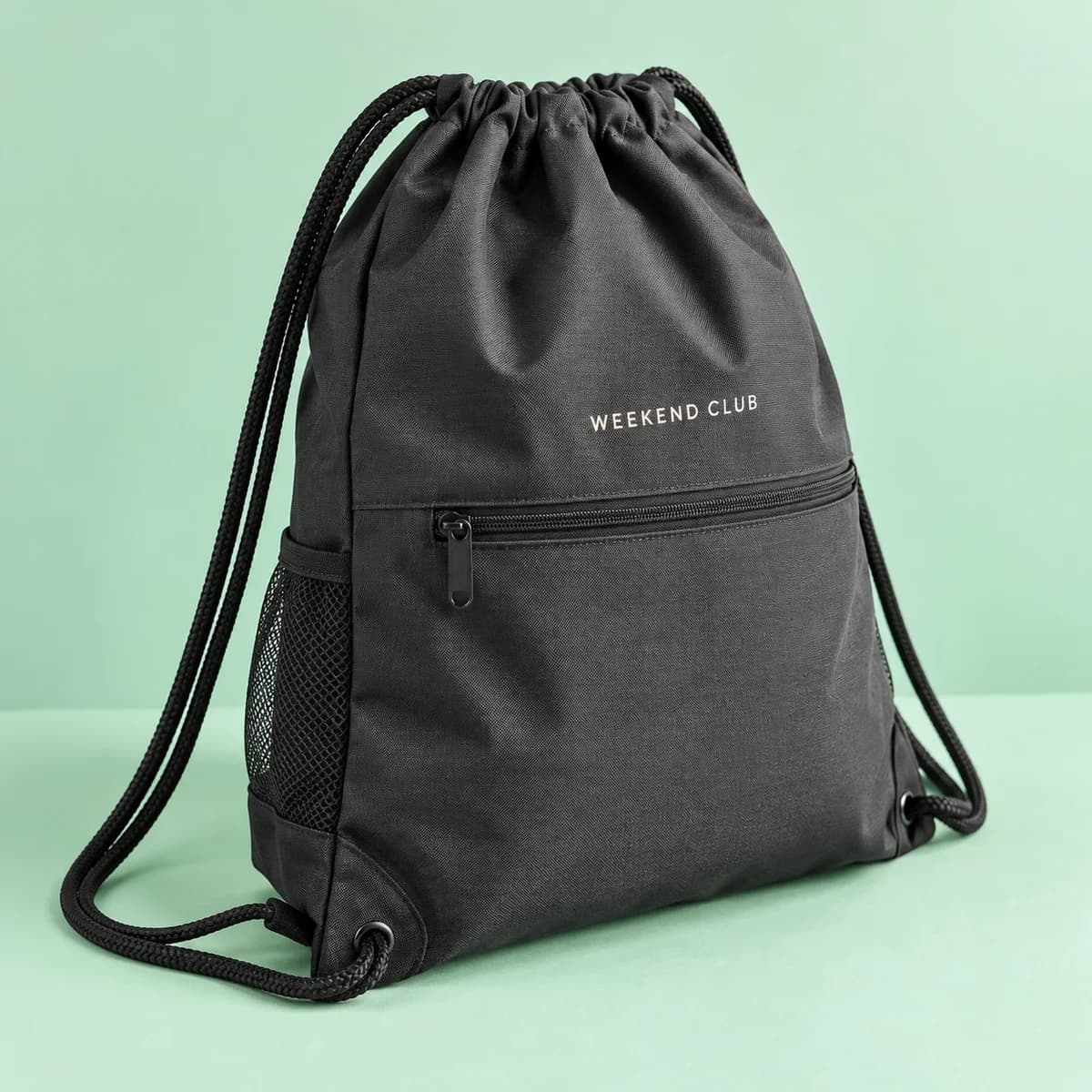
A note on the metric figure. The drawstring bag here is 260 gsm cotton canvas, which sits between 7 and 8 oz. That is a sensible weight for a bag designed to hold kit and be thrown in a locker.
What the weight actually changes
Four things move together as canvas gets heavier, and only two of them are improvements.
Strength rises. Breaking strength and elongation of fabrics are measured by grab tests such as ASTM D5034, and a heavier canvas of the same construction takes more load before it tears. Structure rises too, so the bag stands up rather than collapsing.
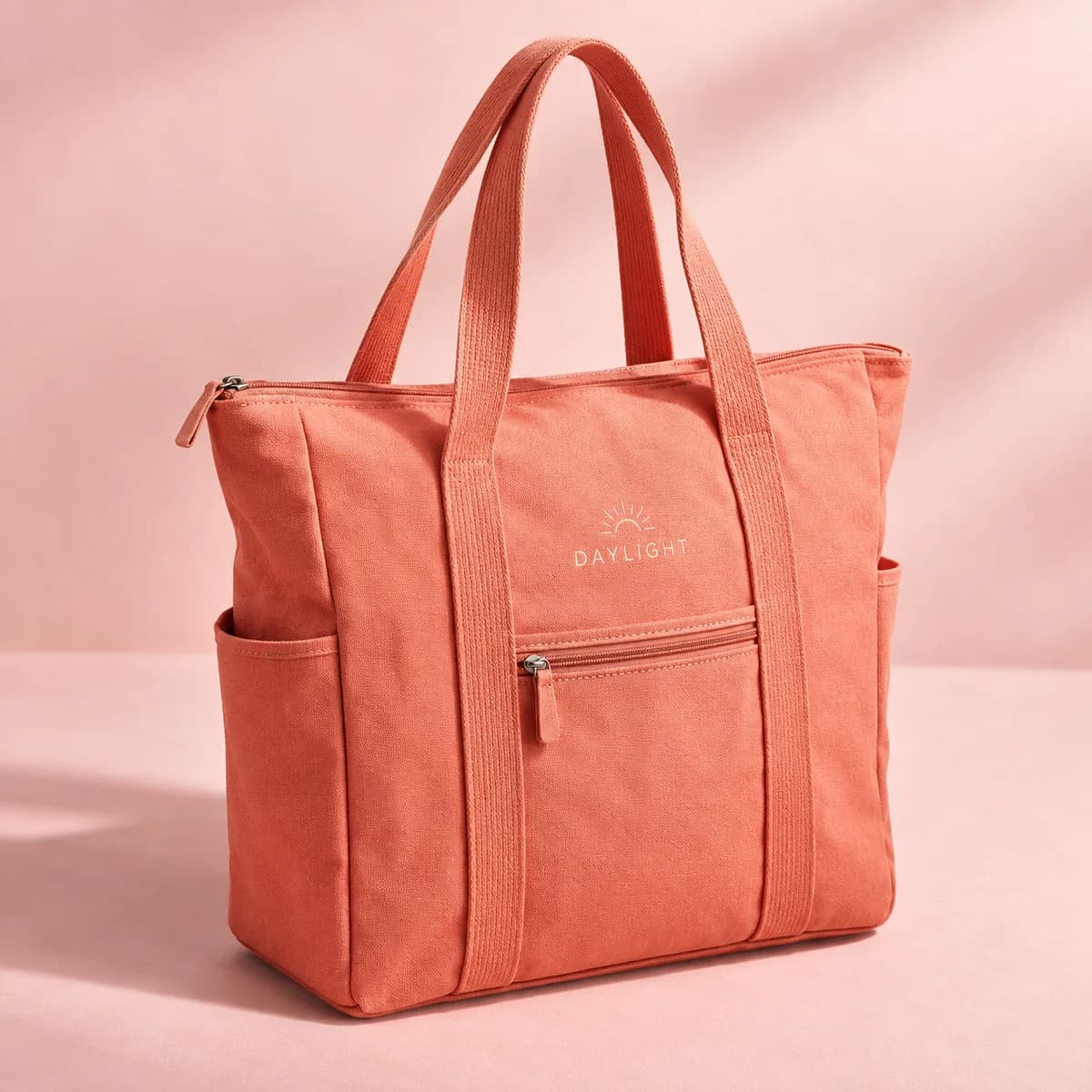
Weight rises, which the user carries. And stiffness rises, which is good for a shopping bag and bad for a bag you want to fold into a pocket. The cotton tote in this range weighs 4.09 oz empty, which is part of why it works as an everyday bag rather than a piece of luggage.
Does heavier canvas print better?
Not inherently, but it behaves more predictably. A heavier, denser canvas has a more stable surface, so a printed panel does not distort when the bag is loaded. A light canvas stretches under a load, and a large solid print on a light panel can show fine cracking at the stress points near the handles.
Surface texture is the other half. Canvas has a visible weave, and a thin ink film sits on the peaks of it. That texture is part of the look on a natural canvas bag, and it is why fine hairlines and small text are a poor choice on canvas regardless of weight. Keep strokes generous.
Choosing a weight from the load
Work from the heaviest realistic contents, not the average.
- A programme, a notebook and a pen: 5 to 6 oz is plenty.
- A laptop in a sleeve, a folder, a bottle: 8 oz.
- A week of groceries including tins: 10 oz.
- Tools, books in volume, anything with corners: 12 oz and up.
Then sanity check the handle. A 12 oz bag with a light handle fails at the handle, and the extra canvas weight bought you nothing. Handles and attachment matter as much as the panel, which is covered in the guide to handle and strap types.
Cotton, recycled cotton and the alternatives
Weight is not the only fiber question. The travel and gym bag here is 55 percent recycled cotton with 45 percent polyester, holds up to 22 lbs and has a 22.5 liter capacity. That blend adds abrasion resistance and dimensional stability that pure cotton does not have at the same weight.
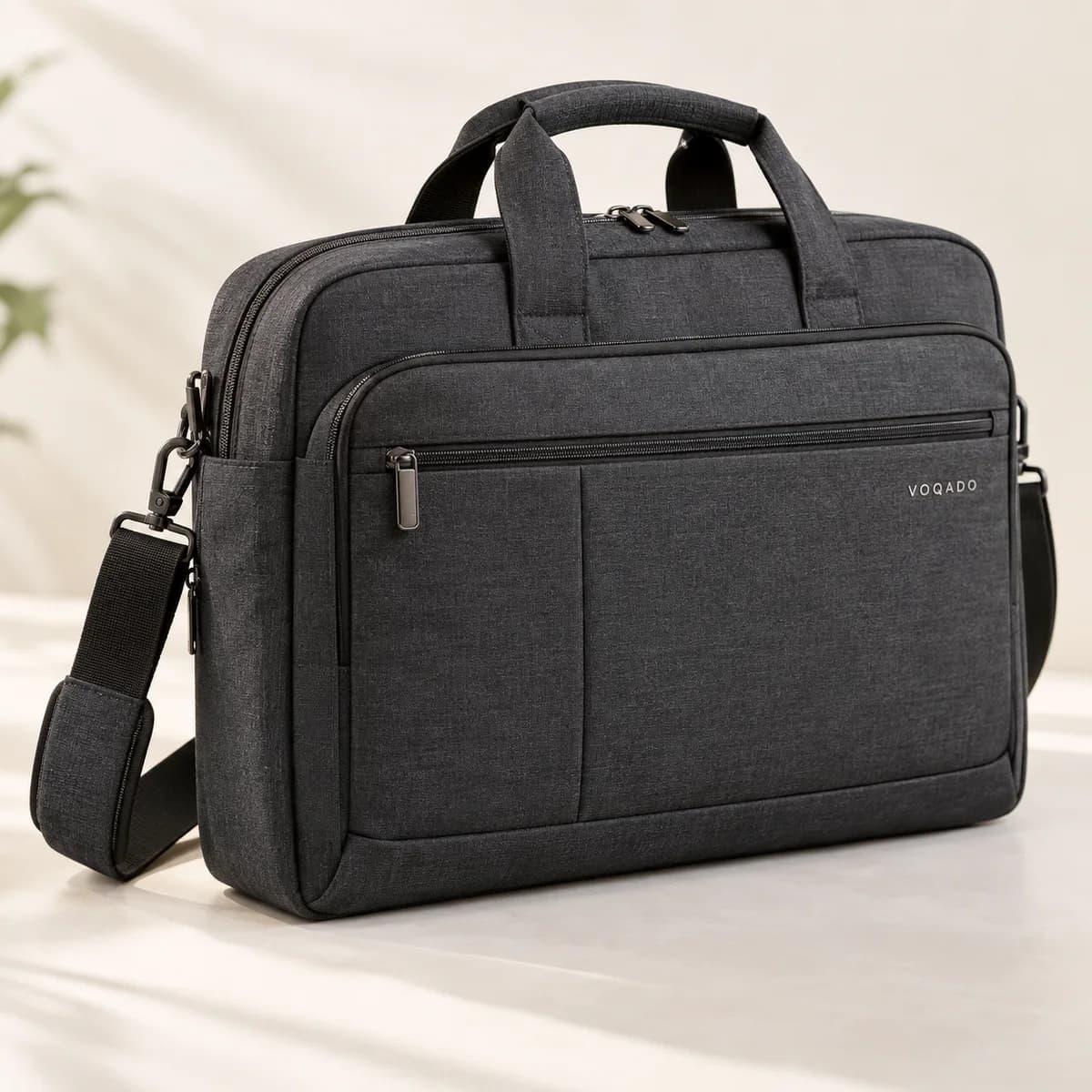
For bags where water is a real risk, coated polyester is a different answer entirely. Laptop bags here are 600D polyester made from recycled polyester, and the guide to denier and RPET fabrics explains what the D number means, because it is not a weight.
If you are making an environmental claim about recycled content, the FTC Green Guides set out how marketers can substantiate and qualify environmental claims. State the percentage and what it applies to rather than using a bare word.
Care does not scale with weight
A heavier bag is not a machine washable bag. The limit is the decoration, not the fabric. Tote bags here say to skip the washing machine to keep the print bold, and drawstring bags say sponge clean only. A 12 oz canvas would survive a wash cycle; the printed panel and the seams are what object.
Spot clean with a damp cloth and mild soap, and dry flat. Passing that instruction on with the bag is the cheapest thing you can do to make it last.
Canvas weight checklist
- Convert to one unit first, at about 33.9 gsm per ounce.
- Choose from the heaviest realistic load, not the average.
- Use 5 to 6 oz for giveaways, 8 to 10 oz for regular shopping, 12 oz and up for heavy or sharp loads.
- Remember the user carries the extra weight.
- Keep print strokes generous, because canvas has a visible weave.
- Check the handle can match the panel you chose.
- Pass on the care line: spot clean, do not machine wash.
Frequently asked questions
What oz canvas is best for a tote bag?
Around 8 to 10 oz per square yard for a bag used for shopping several times a week, 5 to 6 oz for a light event giveaway, and 12 oz or heavier for tools, books in volume or anything with corners. Choose from the heaviest realistic load rather than the average one.
How do you convert canvas oz to gsm?
Multiply ounces per square yard by about 33.9. So 6 oz is roughly 203 gsm, 8 oz is roughly 271 gsm and 10 oz is roughly 339 gsm. Convert before comparing suppliers, since some quote metric and some imperial. The drawstring bag here is quoted as 260 gsm cotton canvas.
Is heavier canvas always better?
No. Heavier canvas is stronger and more structured, but the user carries the extra weight and the bag becomes too stiff to fold away. A heavy panel also buys nothing if the handle is the weak point. Match the panel weight to the load, then check that the handle and its attachment can match it.
Can you machine wash a canvas tote?
The fabric usually could, but the decoration is the limit. Tote bags here say to skip the washing machine to keep the print bold, and drawstring bags say sponge clean only. A bag's handles and hardware abrade the printed panel in a drum. Spot clean with a damp cloth and mild soap, then dry flat.
Sources & specification notes
The references below support the relevant technical or product details in this guide. Examples and checklists are not claims of practical testing or universal supplier requirements. Confirm the current specifications for your chosen product before production.
- ASTM D3776/D3776M: Standard Test Methods for Mass Per Unit Area (Weight) of Fabric ↗
Supports the definition of fabric weight as mass per unit area, measured with options for full width samples, swatches and narrow fabrics, one of which is used for acceptance testing of commercial shipments.
- ASTM D5034: Standard Test Method for Breaking Strength and Elongation of Textile Fabrics (Grab Test) ↗
Supports the statement that breaking strength and elongation of woven and nonwoven fabrics are measured by a grab test.
- FTC: Green Guides ↗
Supports the advice to substantiate and qualify environmental claims such as recycled content rather than using an unqualified word.