Three weight systems, one piece of paper
US paper weights are confusing because the same sheet can be described three ways depending on which basis size the mill used. Bond, or writing, is used for letterhead and copy paper. Text is used for lighter printing papers. Cover is used for card. Grams per square meter is the international measure and the only one that compares directly.
| Paper | Approximate gsm | Typical mailing use |
|---|---|---|
| 20 lb bond | 75 | Copy paper, internal only |
| 24 lb bond | 90 | Everyday letterhead |
| 28 lb bond | 105 | Premium letterhead, still printer friendly |
| 70 lb text | 104 | Smooth, soft letterhead and inserts |
| 80 lb text | 118 | Folded inserts, brochures |
| 80 lb cover | 216 | Note cards, flat cards |
| 110 lb cover | 300 | Invitations, thick flat cards |
Never compare a bond number with a text or cover number directly. 28 lb bond and 70 lb text are almost the same sheet; 80 lb text and 80 lb cover are nothing like each other.
What runs through an office printer
If letters are printed in house, the weight has to feed. Most desktop laser and inkjet printers are comfortable up to about 28 lb bond or 80 lb text, and start to struggle above that. Heavier stock can jam, curl or refuse to feed from a tray at all.
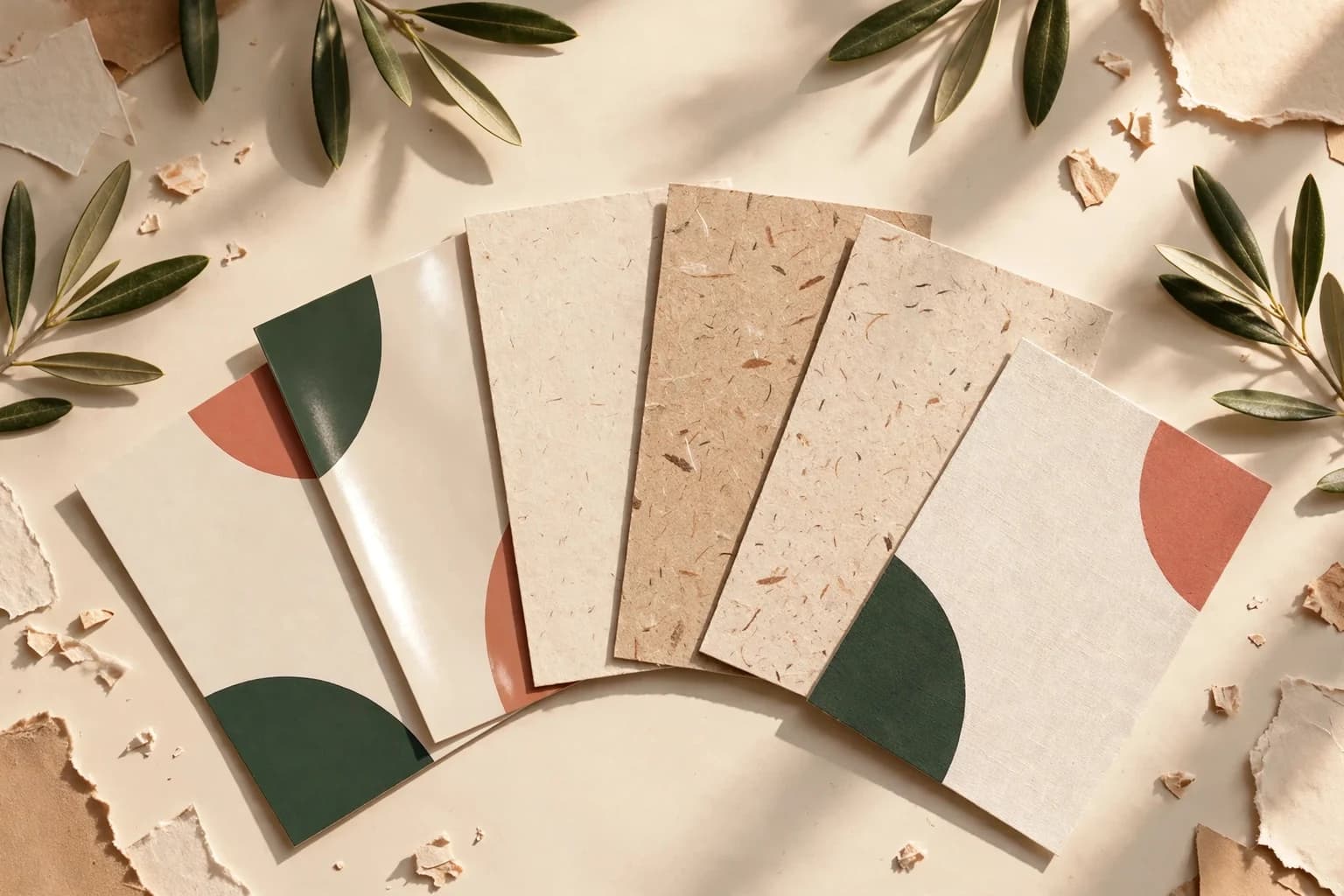
Surface matters as much as weight. Uncoated paper takes toner and ink reliably and accepts a signature or a handwritten note. Coated and glossy stocks resist ink, smear under a pen and can behave badly in a laser fuser. For letterhead, uncoated is the default for exactly these reasons.
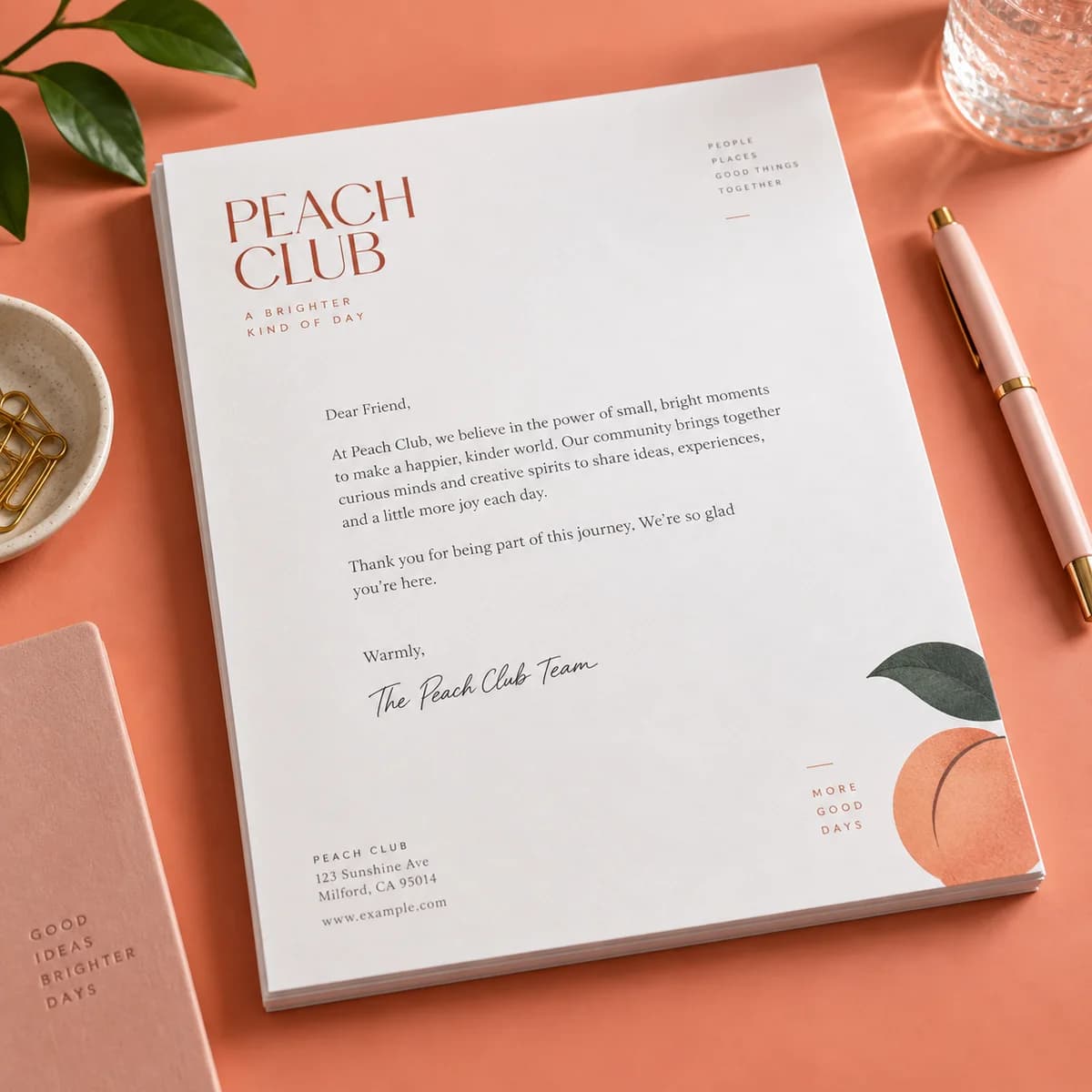
There is a second constraint that catches people out: preprinted letterhead on specialty stock may not be laser safe. Textured and cotton papers in particular are often not designed to run through a laser printer, so if you print letters in house, check that before ordering the premium stock. Letterhead here comes in standard white, premium linen and premium cotton, and only the standard white is intended to run through laser and inkjet printers.
What stays machinable in the post
The postal constraint is different from the printer constraint. A letter size piece must not exceed 0.25 in thick, and a piece that is too rigid to flex through processing equipment is nonmachinable.
That is a limit on the whole sealed envelope, not on one sheet. A single 28 lb bond letter in a No. 10 envelope is nowhere near it. An invitation suite with a 110 lb cover card, a folded insert, an RSVP card and a lined envelope can easily exceed both the thickness and the flexibility limits.
- Weigh and measure the fully assembled, sealed piece, not the components.
- Flex the sealed envelope gently with your fingers. If it will not bend, expect a surcharge.
- Keep letter weight under 3.5 ounces to stay in the letter category at all.
- Remember that every extra enclosure adds thickness, and thickness is the limit that bites first.
Weight, show through and the second side
If you print on both sides, weight determines whether the back shows through the front. Below about 24 lb bond, dark type on the reverse is visible as a gray ghost, which looks careless on a proposal or a contract.
Opacity is not only weight. A sheet with a filler or a slightly rougher finish can be more opaque than a heavier smooth one. If two sided printing matters, ask for a sample and print a solid block on one side.
For single sided letterhead, opacity matters less and feel matters more, which is why linen and cotton stocks are popular for correspondence that will never be duplexed.
Envelope weight has to match
An envelope that is lighter than its contents looks and feels wrong, and it tears. Pair a 24 lb bond letter with an envelope of similar or slightly heavier stock. Pair a heavy cover weight invitation with a substantial envelope rather than a thin one, or the card corners will punch through in transit.
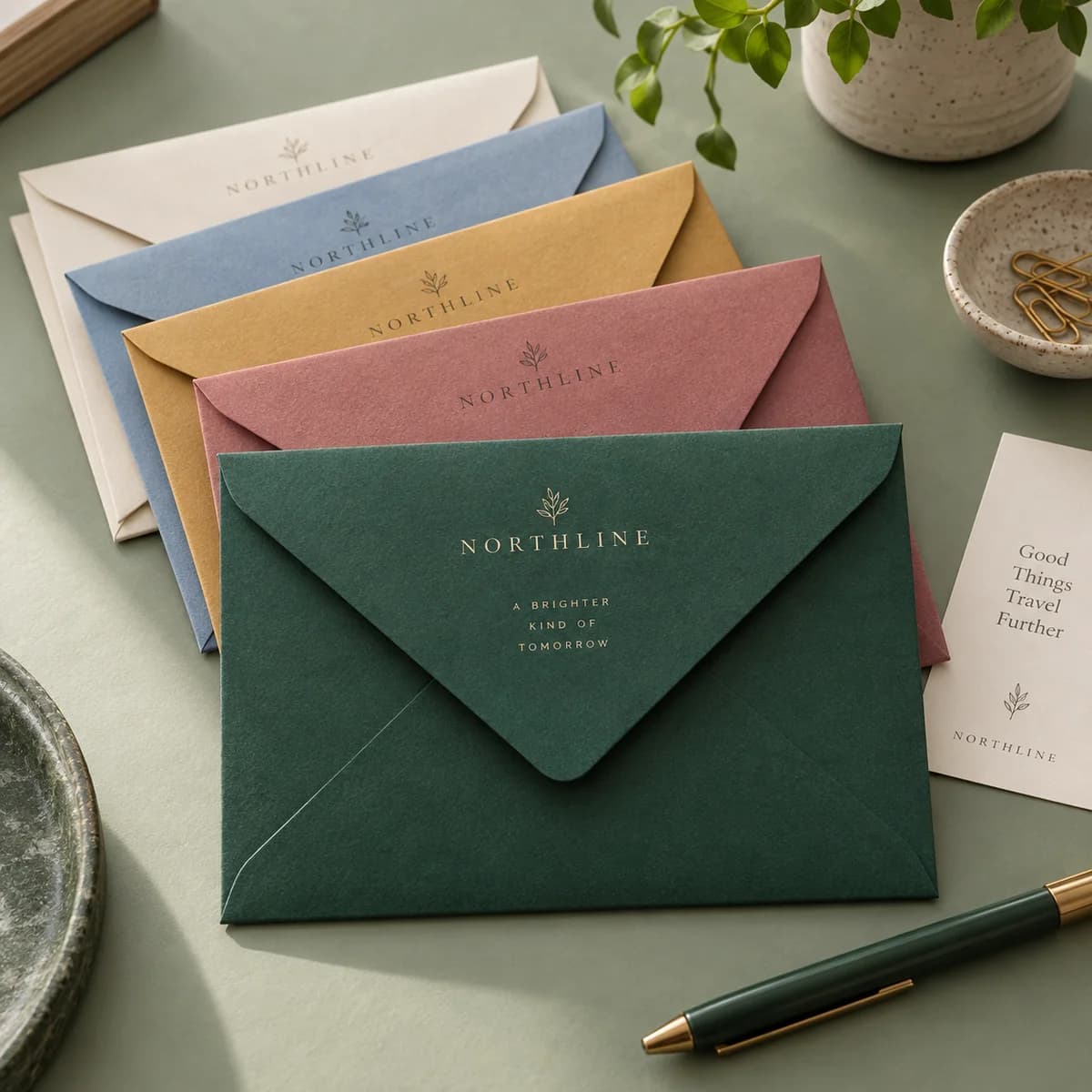
Color is part of this too. A dark envelope with a heavy card inside is a good pairing; a dark envelope with a thin white letter shows every shadow of the fold. Colored envelopes here come in five finishes including white linen and kraft, sized for cards in the same range, which removes the guesswork about pairing.
International paper sizes and weights
Outside North America, paper follows the ISO A series, where every size shares an aspect ratio of about 1 to 1.414 so halving a sheet gives the next size down in the same proportion. Weights are quoted in gsm only, which is a good habit to borrow.
A4 at 210 x 297 mm is slightly narrower and taller than US letter. A4 folded in thirds fits a No. 10 envelope, and a US letter sheet folded in thirds fits a DL envelope, so mixed correspondence usually works. Flat documents are where the mismatch shows, since A4 is taller than letter.
Paper weight checklist
- Use 24 lb or 28 lb bond for letters that will be printed in house.
- Check whether premium textured or cotton stock is laser safe before ordering.
- Keep uncoated surfaces for anything that will be signed or written on.
- Compare weights in gsm, never a bond number against a text or cover number.
- Weigh and measure the fully assembled sealed piece, not the components.
- Keep the sealed envelope flexible and under 0.25 in thick to stay machinable.
- Check opacity with a real sample if you print both sides.
- Match envelope weight to the insert so it neither tears nor looks flimsy.
Frequently asked questions
What paper weight should I use for mailing letters?
24 lb or 28 lb bond, or 70 lb uncoated text, which is roughly the same thickness. Those weights feel more substantial than copy paper, still feed reliably through office printers, and stay flexible enough to be processed as a machinable letter.
Does heavier paper cost more to mail?
It can, in two ways. Weight pushes the piece toward the 3.5 ounce letter cap, and thickness pushes it toward the 0.25 in letter limit. A piece too rigid to flex through processing equipment is also treated as nonmachinable, which increases handling cost.
Is 80 lb text the same as 80 lb cover?
No, they are very different sheets. The numbers come from different basis sizes, so 80 lb text is a printing paper around 118 gsm while 80 lb cover is card around 216 gsm. Compare paper in gsm to avoid this trap entirely.
Can I run linen or cotton letterhead through my laser printer?
Often not. Premium textured and cotton stocks are frequently not designed for laser or inkjet feeding, and preprinted inks on specialty stock may not be laser safe. Standard white letterhead stock is the one intended for in house printing.
Sources & specification notes
The references below support the relevant technical or product details in this guide. Examples and checklists are not claims of practical testing or universal supplier requirements. Confirm the current specifications for your chosen product before production.
- USPS Postal Explorer: DMM 101 Physical Standards ↗
Letter thickness and weight maximums, and the flexibility requirement that separates letters from flats.
- USPS Postal Explorer: DMM 201 Physical Standards ↗
Physical standards for nonmachinable letters, including rigidity and minimum thickness conditions.
- ISO 216:2007 Writing paper and certain classes of printed matter, trimmed sizes ↗
Defines the A and B series trimmed sizes and the square root of two aspect ratio used outside North America.