Envelopes & stationery, understood.
Plan printed stationery that mails cleanly: envelope sizing against the insert, window position, address placement, machinability rules and paper weight for the post.
Start with Nonmachinable letters: the rules that change what you pay, the overview for this topic. Each guide after it answers a separate buying, preparation or troubleshooting question.
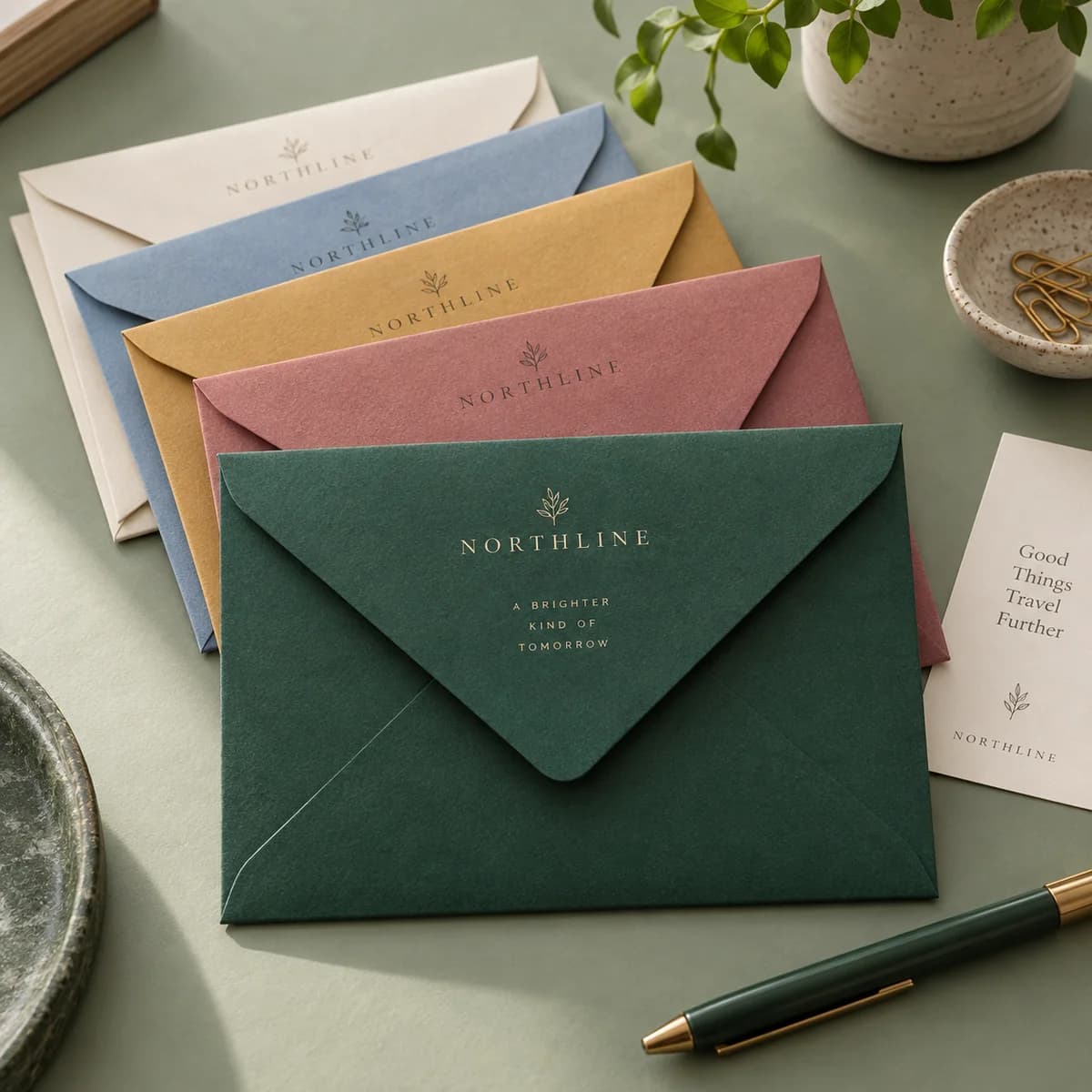 START HERE
Envelopes & stationery · 5 MIN READ
Nonmachinable letters: the rules that change what you pay
USPS letters must fall inside set length, height and thickness limits and an aspect ratio between 1.3 and 2.5. Learn what makes a letter nonmachinable and how to avoid it.
Read the guide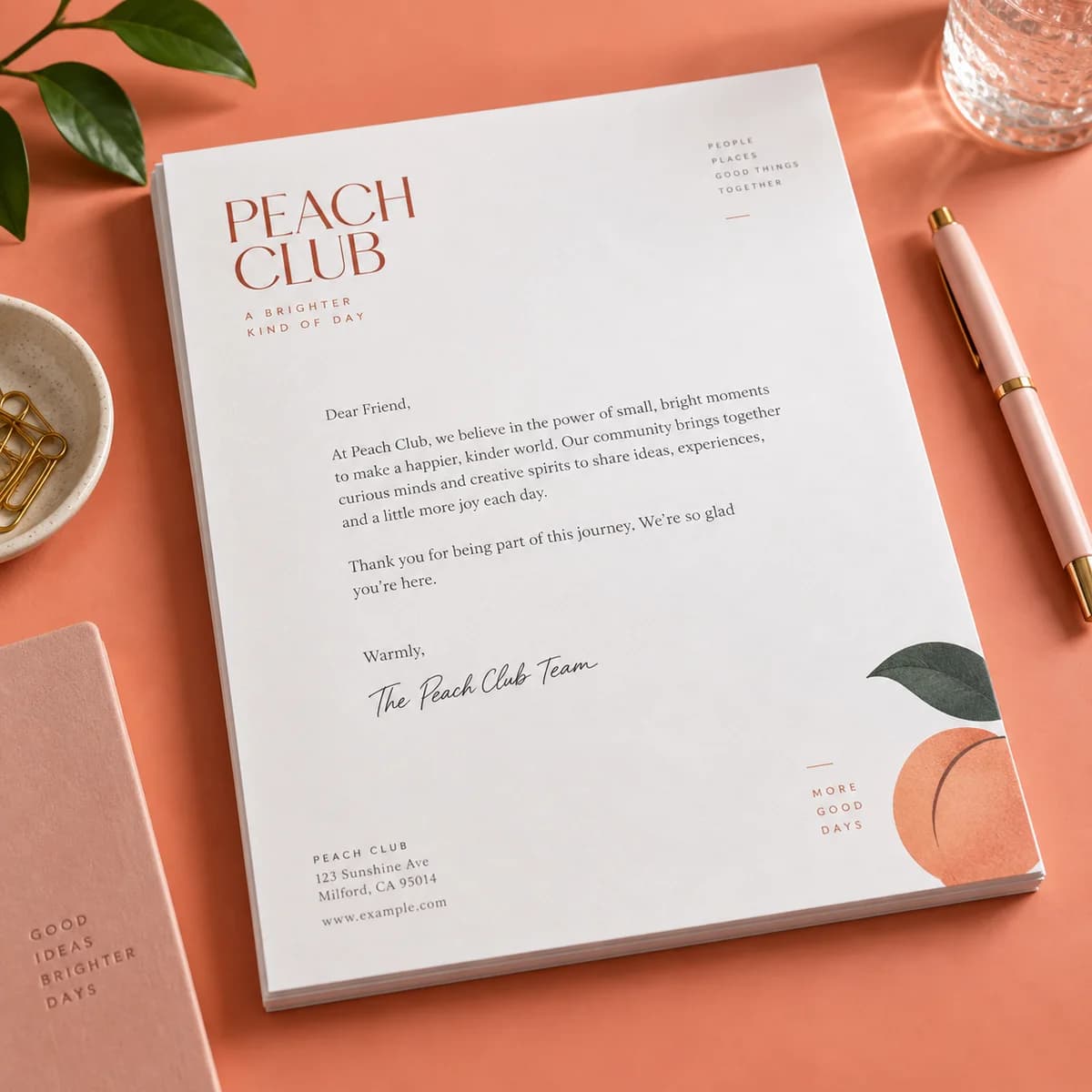
Envelopes & stationery · 5 MIN READ
Window envelope address position: aligning the letter to the window
Every character of the address must stay visible through the window across the insert's full range of movement, with 1/8 in clearance. How to align a letter template.
Read the guide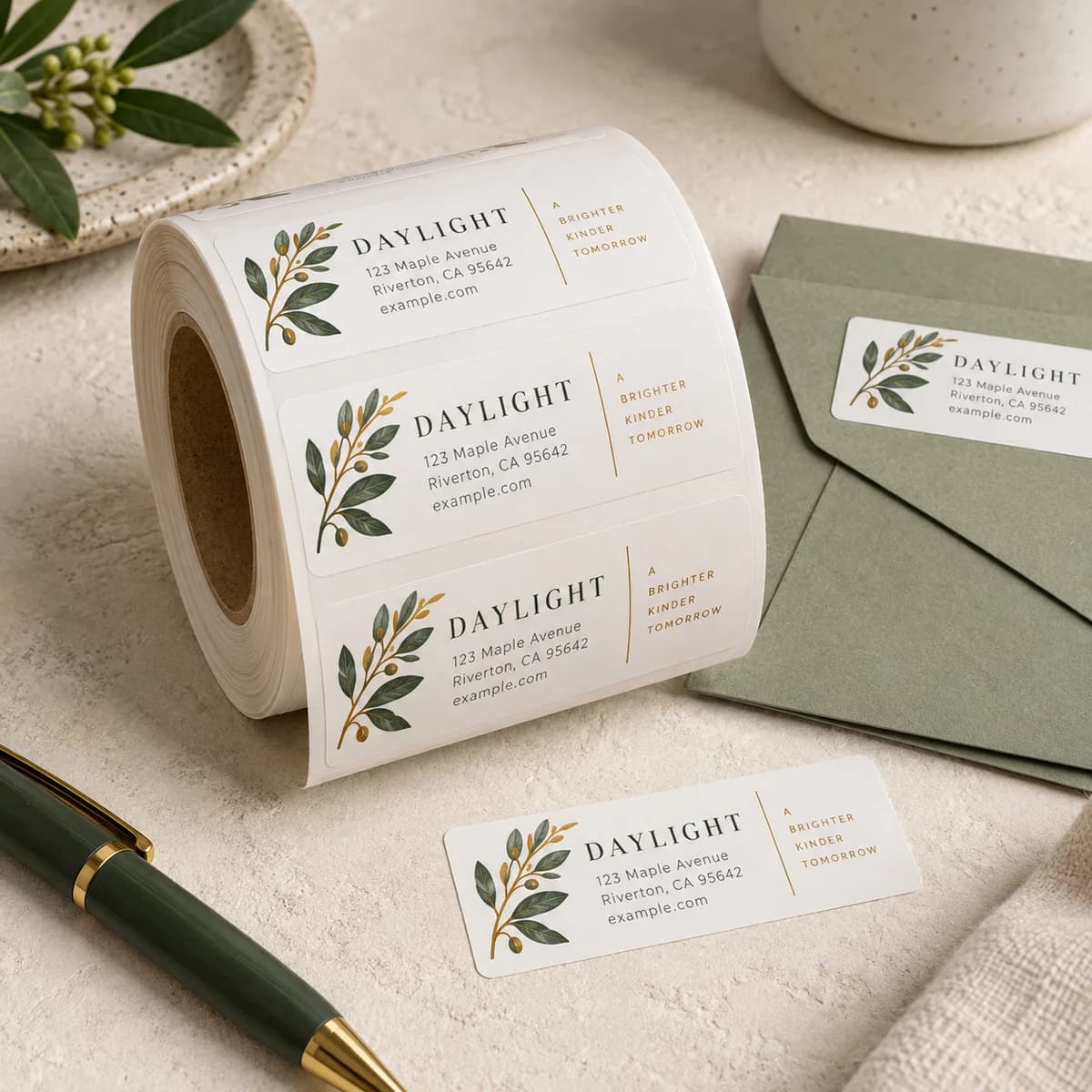
Envelopes & stationery · 5 MIN READ
Where to put the address on an envelope, and how to format it
Delivery address centered and parallel to the longest edge, return address top left, postage top right. Formatting rules from the USPS postal addressing standards.
Read the guideEnvelopes & stationery · 5 MIN READ
Paper weight for mailing: what survives the post and the printer
Bond, text and cover weights explained for mail: which run in office printers, which stay flexible enough to be machinable, and how thickness affects your postage.
Read the guideEnvelopes & stationery · 5 MIN READ
Square envelope postage: why squares always cost more
A square envelope has an aspect ratio of 1, below the 1.3 minimum for a machinable letter, so it is always surcharged. Alternatives that keep the look and the rate.
Read the guideEnvelopes & stationery · 5 MIN READ
Colored envelopes: making dark stock work in the mail
Colored envelopes get opened, but the address still has to be readable. How to keep contrast on navy, ruby and kraft stock, plus labels, panels and seal choices.
Read the guideEnvelopes & stationery · 5 MIN READ
Letterhead second sheet: what page two should actually look like
Page two of a letter needs the same paper and a much quieter header. What to put on a second sheet, when plain paper is fine, and how to set it up in a template.
Read the guide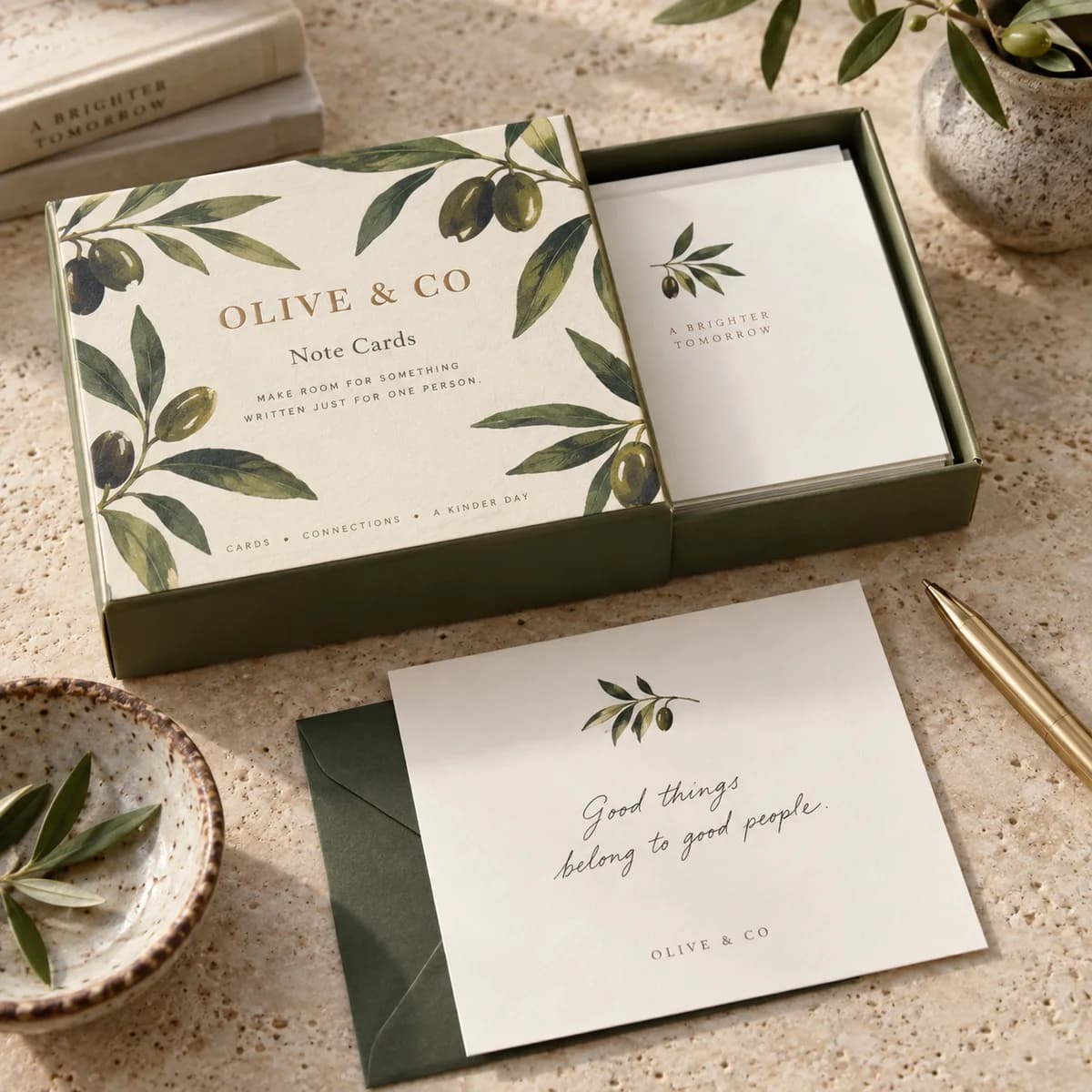
Envelopes & stationery · 5 MIN READ
Note card sizes: flat, folded and the envelope that fits
Note cards come flat or folded at 5.5 x 4 in and 5 x 7 in. How much writing space each gives, which envelope each needs, and how folded cards ship flat and scored.
Read the guide
Envelopes & stationery · 5 MIN READ
Presentation folder flat size: why the printed sheet is so much bigger
A 9 x 12 in folder prints on a much larger flat sheet that includes the pockets, spine and glue areas. How to read the template and what mails as a flat.
Read the guideEnvelopes & stationery · 5 MIN READ
Return address label vs stamp: which one to use and when
Labels work on any stock and in any color; pre inked stamps are cheaper per use and faster in volume. Compare durability, surfaces, cost per piece and where each fails.
Read the guide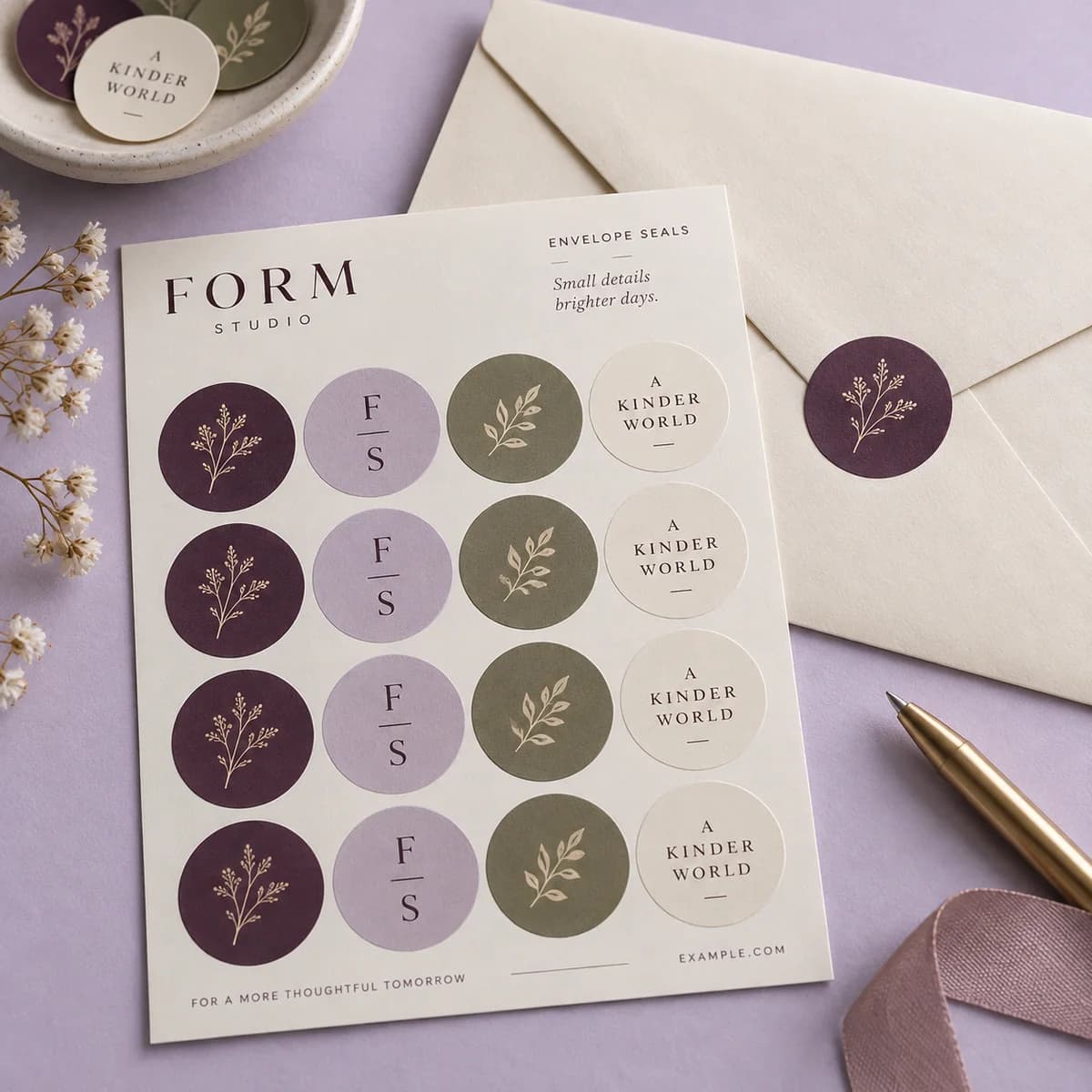
Envelopes & stationery · 5 MIN READ
Can you mail a wax seal? What happens in the machinery
A wax seal makes an envelope nonmachinable because it creates uneven thickness, and machine pressure cracks wax. Hand canceling, flat alternatives and how to plan.
Read the guide