Packaging & boxes, understood.
Size, specify and set up custom packaging: mailer and shipping boxes, folding cartons, dielines and panels, board grades and flutes, dimensional weight, fill and transit testing.
Start with What is a dieline, and why a rectangle cannot represent a box, the overview for this topic. Each guide after it answers a separate buying, preparation or troubleshooting question.
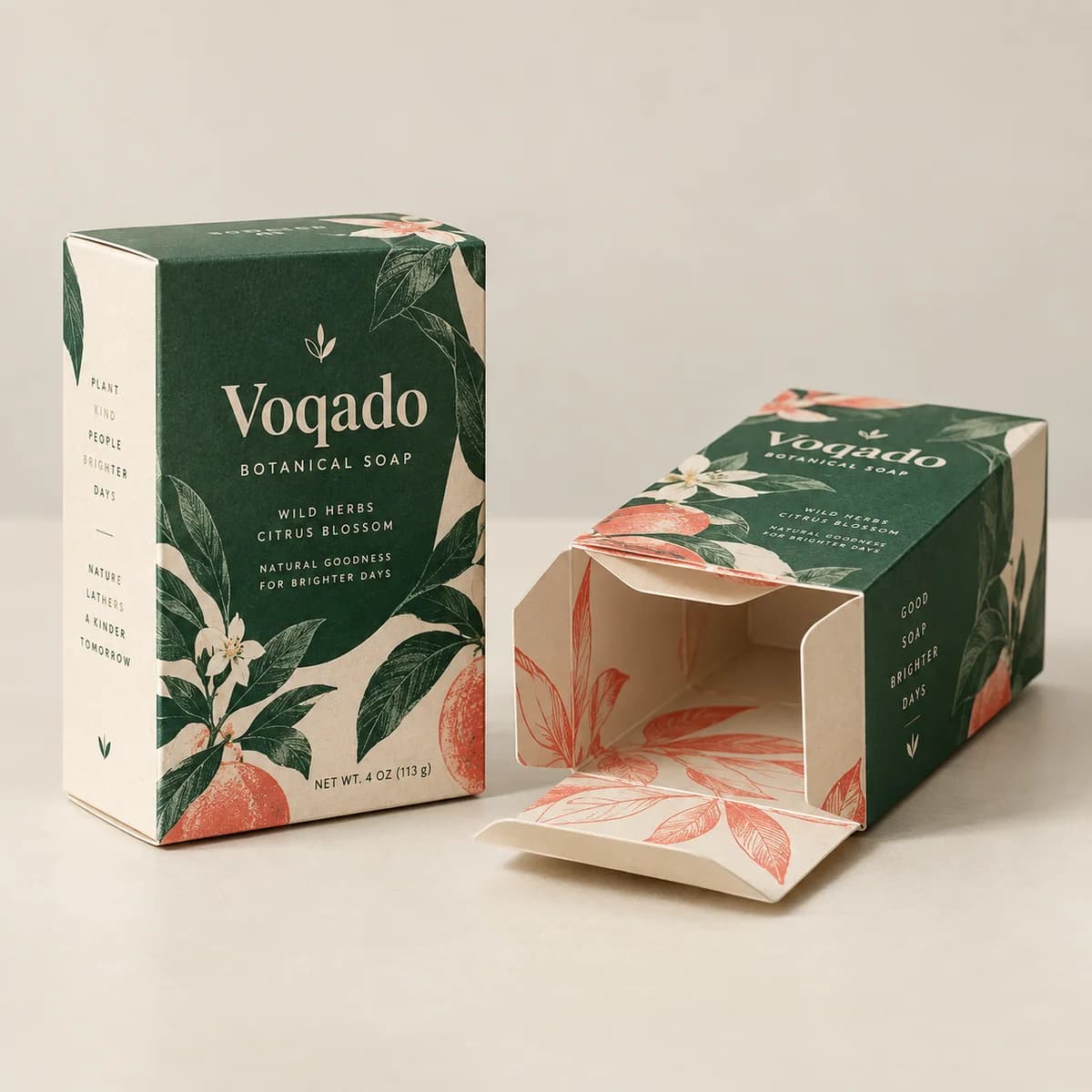 START HERE
Packaging & boxes · 5 MIN READ
What is a dieline, and why a rectangle cannot represent a box
A dieline is the flat blueprint of a folded package showing cut, crease and glue tab lines. Learn how to read one, what the line colors mean and how to set up artwork.
Read the guide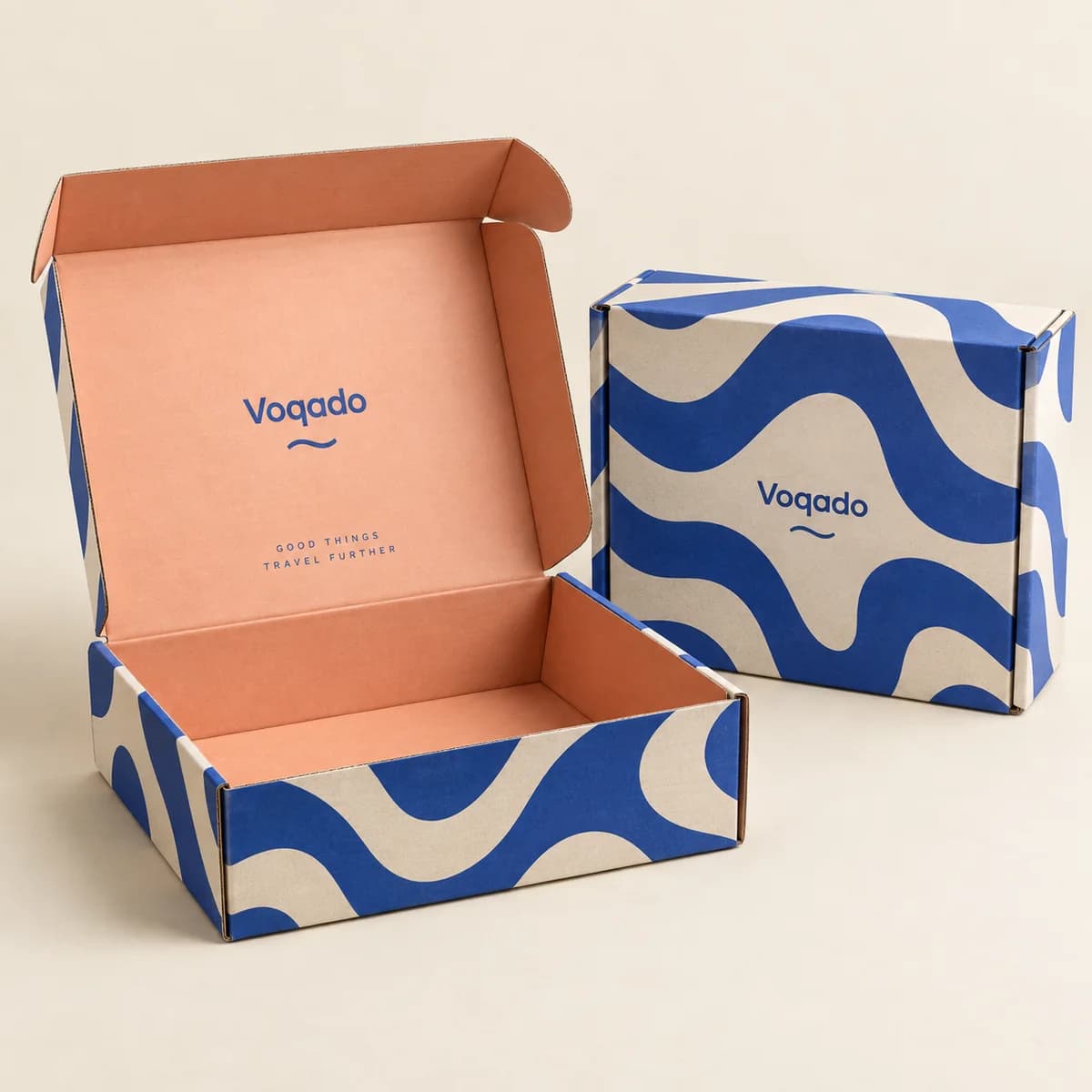
Packaging & boxes · 5 MIN READ
What size mailer box for a T shirt, hoodie or apparel order
One folded adult T shirt fits a mailer box around 10 x 8 x 2 in. Sizing tables for tees, hoodies and multi item orders, plus the dimensional weight check.
Read the guidePackaging & boxes · 5 MIN READ
Box panel names: front, back, sides, tucks and the glue tab
Learn the names of every panel on a folding carton: front, back, left and right sides, top and bottom tucks, dust flaps and the glue tab, and what to print on each.
Read the guidePackaging & boxes · 5 MIN READ
What is dimensional weight, and how to stop paying for air
Dimensional weight is box volume divided by a carrier divisor. Learn the 139 and 166 divisors, work an example, and see which packaging changes actually cut the bill.
Read the guidePackaging & boxes · 5 MIN READ
Mailer box vs shipping box: which one your order needs
A mailer box is a printed tuck top mailer for a branded opening. A shipping box is a taped corrugated carton built for bulk. Compare board, closure, cost and use.
Read the guide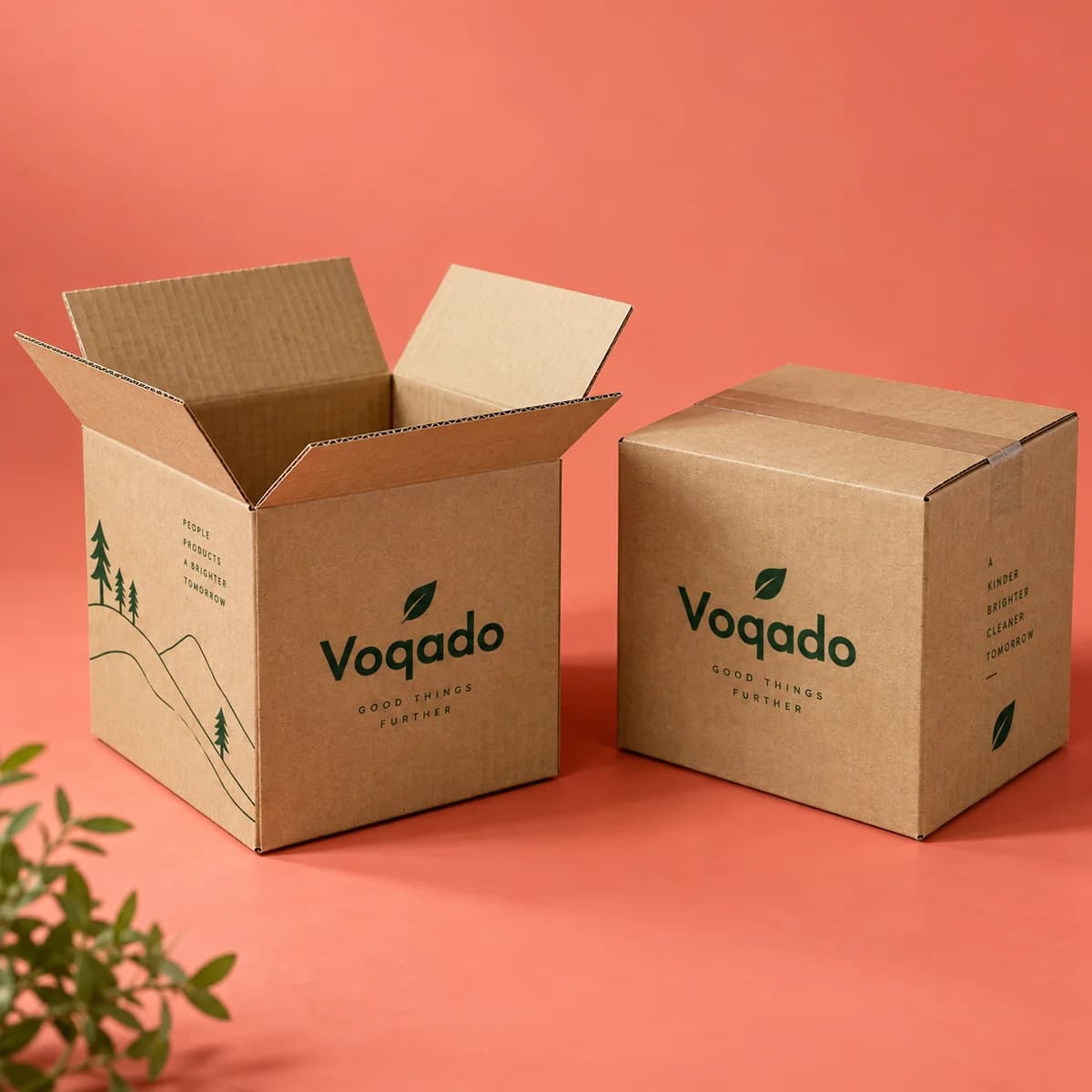
Packaging & boxes · 5 MIN READ
Corrugated flute types: E, B, C and F explained for packaging
Flute is the wavy layer inside corrugated board. Compare E, B, C and F flute thickness, print quality, crush resistance and which one suits mailers, cartons and bulk.
Read the guide
Packaging & boxes · 5 MIN READ
Auto lock bottom boxes: when the base that pops open pays off
An auto lock bottom box pops open ready to fill; a lock bottom needs assembly. Compare speed, strength, cost and which products suit each, plus dieline notes.
Read the guide
Packaging & boxes · 5 MIN READ
Chocolate bar box size: measuring a bar and its wrapper
Size a custom chocolate bar box from the wrapped bar, not the recipe. Measuring method, tolerance for foil and paper wraps, finish choices and dieline setup.
Read the guide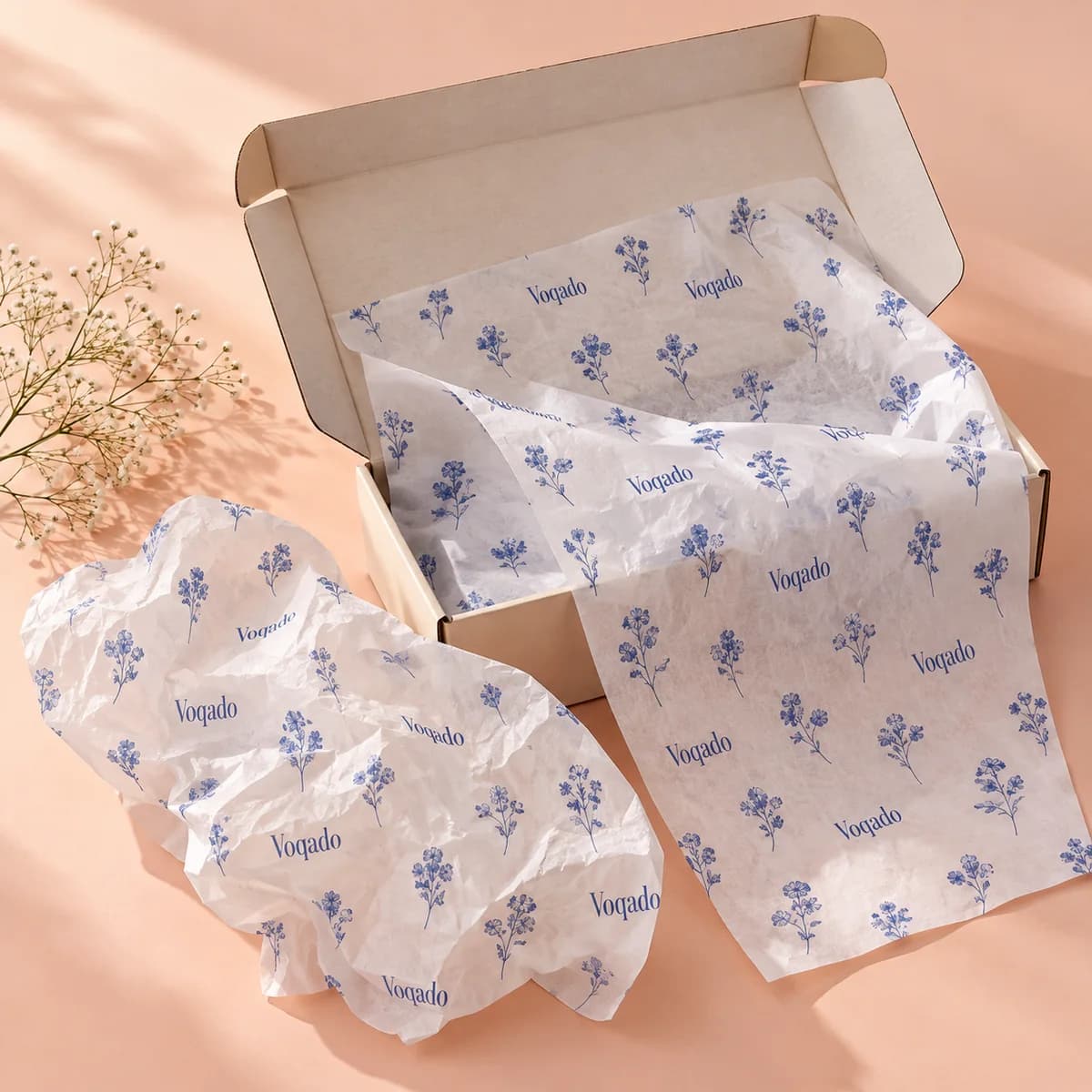
Packaging & boxes · 5 MIN READ
Custom tissue paper: how much per order and how to print it
One or two sheets of tissue per order is normal. Learn sheet counts by box size, which paper weight to pick, how a seamless repeat works and what it costs per order.
Read the guide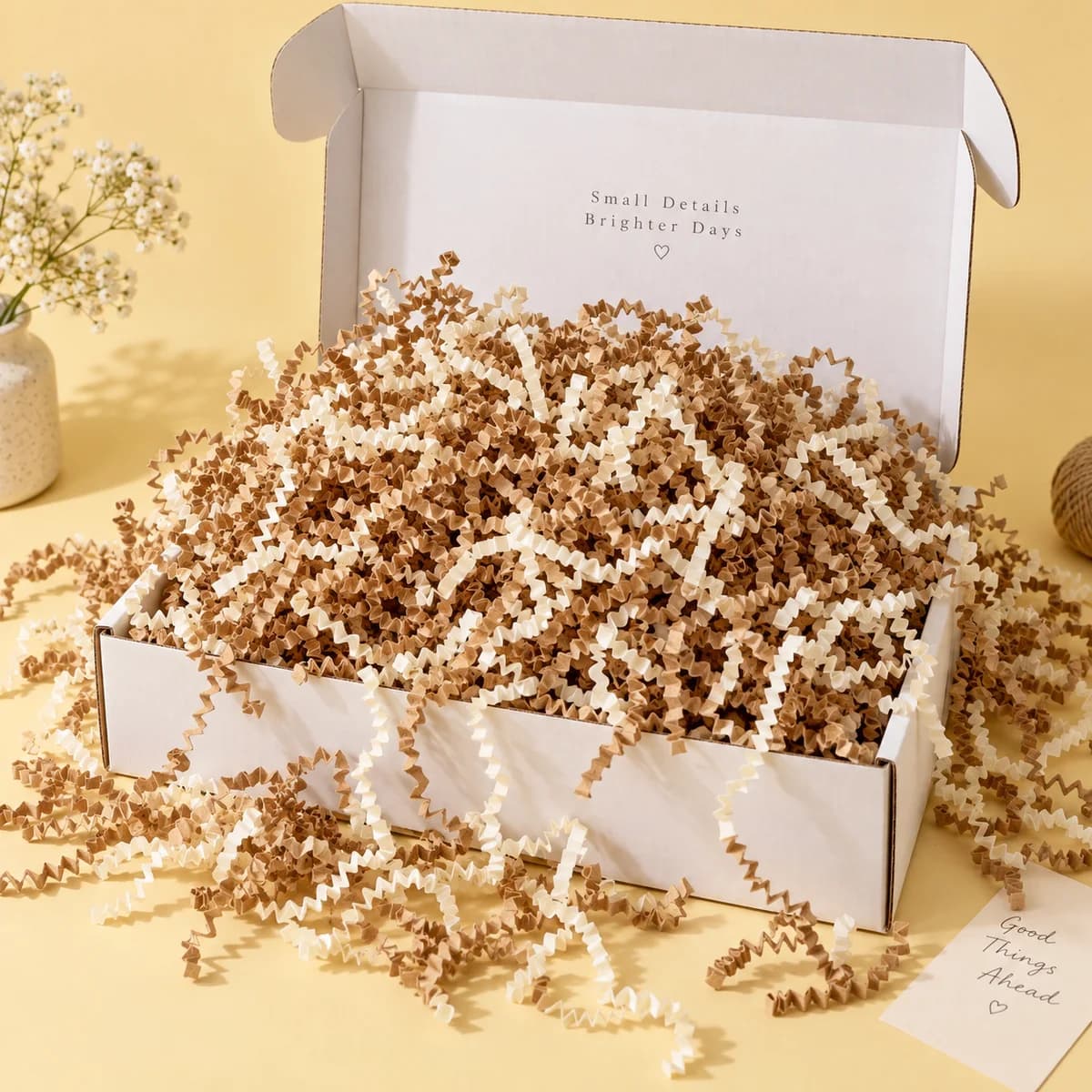
Packaging & boxes · 5 MIN READ
How much crinkle paper per box, and when void fill is wrong
Crinkle paper is sold by weight, so plan by grams per box rather than handfuls. Fill depths by box size, when void fill helps, and when a smaller box is the real fix.
Read the guide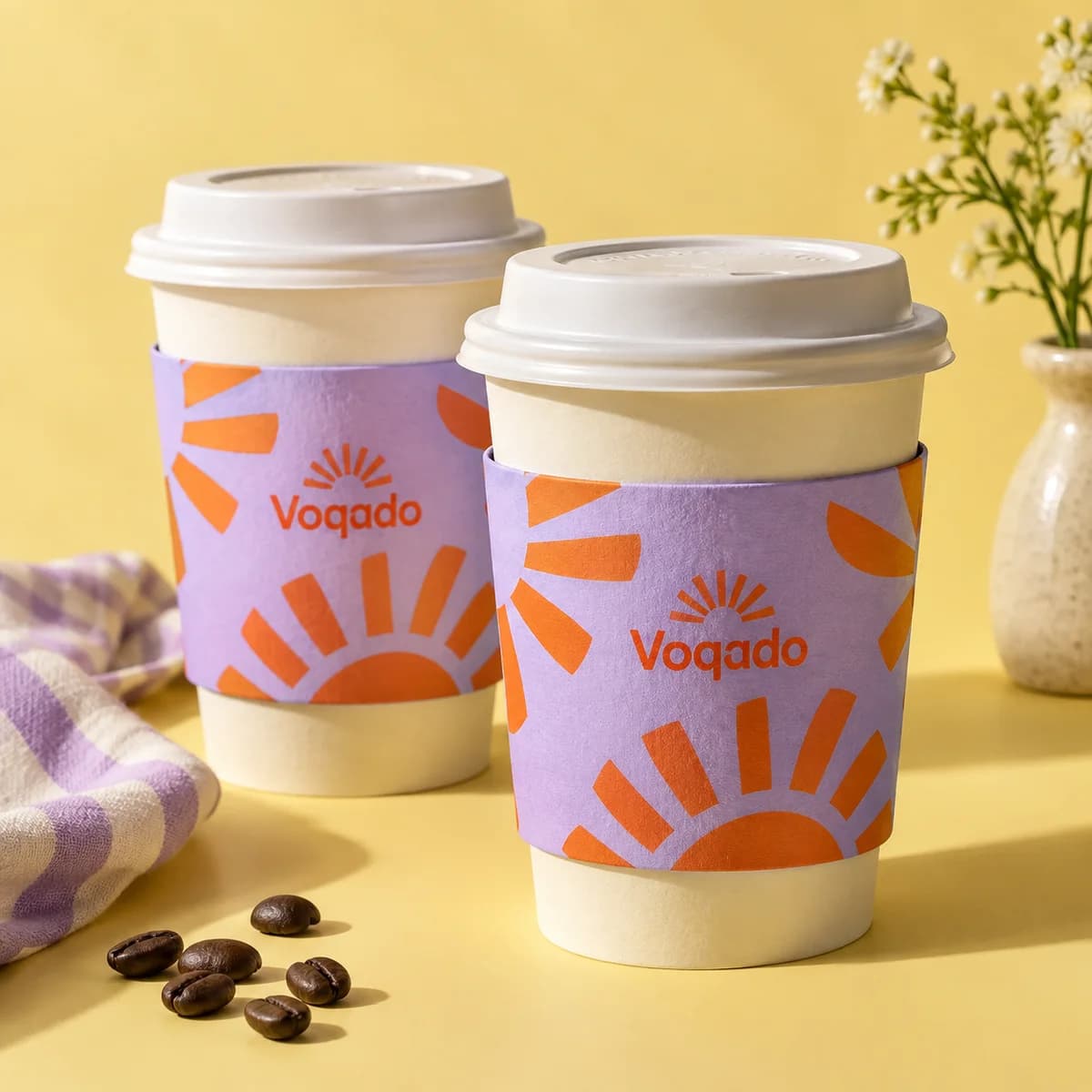
Packaging & boxes · 5 MIN READ
Custom coffee sleeves: sizing, material and print area
Coffee sleeves are one size for most 12 to 24 oz cups. Compare embossed paperboard against corrugated kraft, plan the print area around the seam, and set minimums.
Read the guidePackaging & boxes · 5 MIN READ
How to tape a shipping box: H taping and the mistakes to avoid
The H tape method seals the center seam and both edge seams on a shipping box. Strip counts, tape width and overlap, why one strip fails, and when tape is wrong.
Read the guidePackaging & boxes · 5 MIN READ
How to test packaging before shipping: a practical drop test
Test packaging the way distribution will: drops on corners, edges and faces, a stack load, and vibration. A bench routine based on the ASTM D4169 test sequence.
Read the guidePackaging & boxes · 5 MIN READ
Unboxing sequence: deciding what the customer sees, in order
An unboxing is a sequence of five or six moments, not a pile of packaging. Map each layer, decide what each one says, and cut anything that does not earn its step.
Read the guide