The calculation, worked
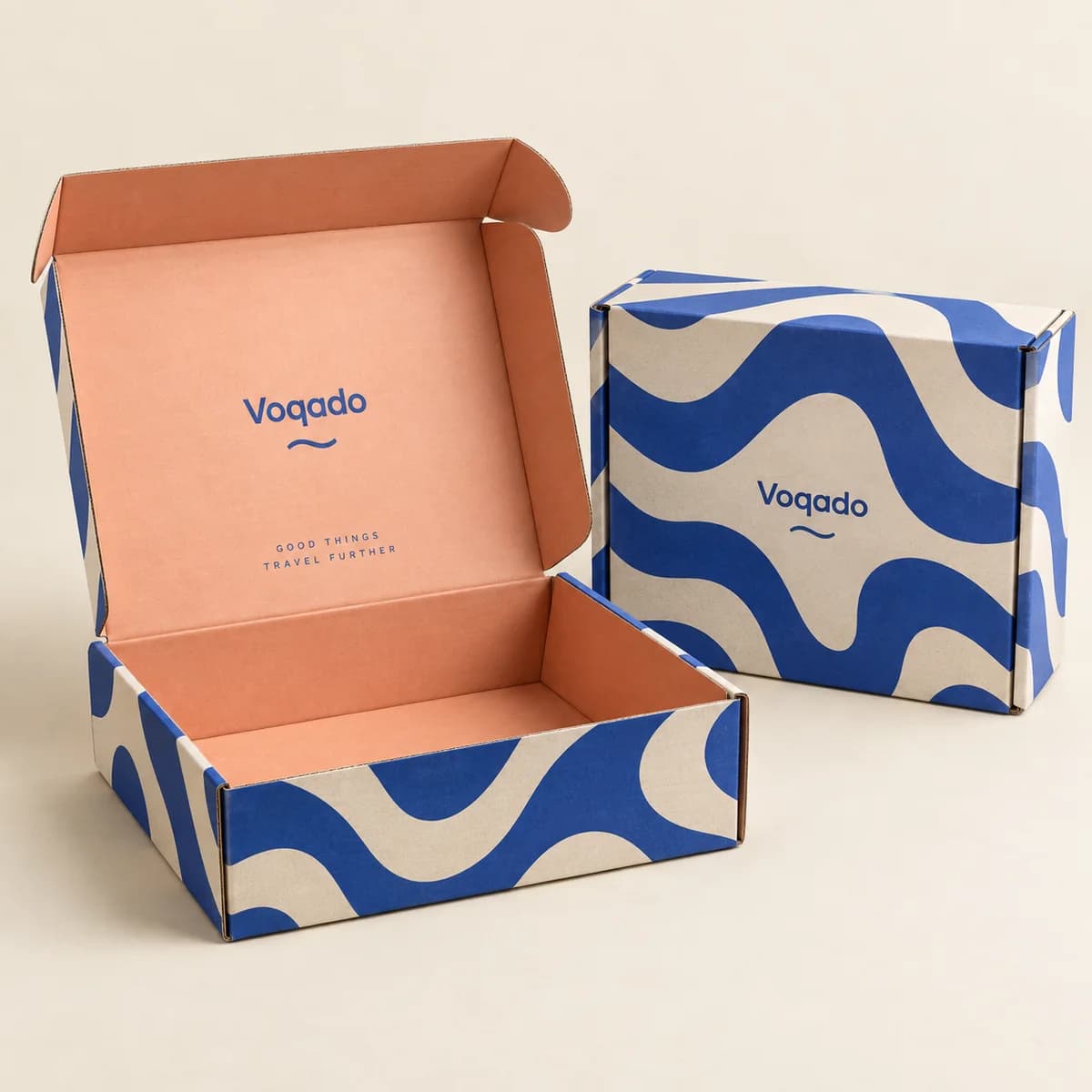
Take a mailer box measuring 12 x 9 x 3 in holding two folded T shirts that weigh 1.1 lb with the packaging.
Volume is 12 x 9 x 3, which is 324 cubic inches. Divided by 139 that is 2.33, which rounds up to 3 lb. The scale says 1.1 lb. You are billed on 3 lb. Two thirds of that bill is air.
Now take the same two shirts in a 12 x 9 x 5 in box because it was the size already on the shelf. Volume becomes 540 cubic inches, dimensional weight becomes 3.89 and rounds to 4 lb. Two inches of unused depth added a full billed pound to every order, forever.
| Box | Cubic inches | Divided by 139 | Billed weight |
|---|---|---|---|
| 10 x 8 x 2 in | 160 | 1.15 | 2 lb |
| 12 x 9 x 3 in | 324 | 2.33 | 3 lb |
| 12 x 9 x 5 in | 540 | 3.89 | 4 lb |
| 14 x 10 x 4 in | 560 | 4.03 | 5 lb |
Measure the outside of the packed box, including any bulge. Carriers measure the box as it arrives, not as it was specified, and an overstuffed carton that bows to 4.5 in is billed at 5 in when rounded.
Why carriers bill this way
A delivery vehicle runs out of space long before it runs out of payload. A van full of pillow filled cartons weighing 2 lb each is full, and the carrier has earned two pound rates for a full truck. Dimensional pricing makes the shipper pay for the space consumed rather than the mass carried, which is why it hits light bulky goods hardest: apparel, homeware, toys, foam, anything with void fill.
It also explains why the divisor matters so much. A larger divisor is more generous to the shipper, because it converts the same volume into fewer pounds. Moving from a 166 divisor to a 139 divisor increases the billed weight on the same box by about 19 percent.
Where the wasted volume actually is
When shippers try to cut dimensional weight they usually reach for a thinner box. That is rarely where the volume is. Measure first.
- Depth almost always. Depth is chosen last and by habit, and it is the dimension most often oversized.
- Void fill, because filling air with paper does not remove the air from the bill.
- Boxes chosen from a small range, where the next size up is much larger than needed.
- Gift presentation, where tissue and crinkle paper are loaded to fill a box rather than to protect.
- Rigid inserts and trays that add depth for a product that does not need suspension.
A useful exercise: take your ten most common orders, pack each in the smallest box it will genuinely fit, and compare the billed weights against what you ship today. Most small brands find one or two extra box sizes pay for themselves within a month.
What to change, in order of payback
Add a shallower box size first. If your range is one deep box, a second shallow box for single item orders usually cuts more cost than any other change, because single item orders are typically the largest share of volume.
Switch format where the product allows it. A soft goods order in a poly mailer or a gusseted kraft mailer occupies a fraction of the volume of the same order in a box, and a mailer collapses to the contents rather than holding a fixed shape. That is a format change, not a downgrade, when the goods cannot be crushed.
Right size the fill. Tissue paper and crinkle paper exist to protect and to present, not to occupy. If the only reason fill is in the box is that the box is too big, the fill is a symptom.
Only then look at board. Board caliper changes exterior dimensions by fractions of an inch, which rounds away in most cases. E flute is thinner than C flute, so it can matter on a box already at a size boundary, but it is a fine adjustment rather than the main lever.
The difference between a letter, a flat and a parcel
Dimensional weight is a carrier parcel concept. Postal mail uses a different set of size categories entirely. Under the USPS domestic mail standards a piece qualifies as a letter only within specific length, height and thickness limits, and above those it becomes a flat and then a parcel, each with its own pricing. A thin mailer that stays inside the letter or flat envelope of dimensions can move into a completely different price band from a parcel of the same weight.
That is worth checking before you design a package around a carrier. If a product genuinely fits a flat rather than a parcel, the packaging decision is worth more than any divisor optimization.
Dimensional weight checklist
- Measure the packed box from the outside, including any bulge.
- Multiply length by width by height and divide by your carrier's stated divisor.
- Compare the result with the scale weight and expect to be billed on the higher.
- Audit your ten most common orders against the smallest box that genuinely fits.
- Add a shallower box size before you change anything else.
- Use fill to protect and present, never to occupy empty space.
- Check whether the piece could qualify as a flat rather than a parcel.
Frequently asked questions
How do you calculate dimensional weight?
Multiply the packed box length, width and height in inches, then divide by the carrier's published divisor. FedEx states 139 for United States shipments and UPS publishes 139 for daily rates and 166 for retail rates. Round the result up and compare it with the scale weight.
Why is my shipping cost higher than my package weight suggests?
Because carriers bill on the greater of actual weight and dimensional weight. A light, bulky package consumes vehicle space out of proportion to its mass, so the volume based figure wins and becomes the billed weight.
Does adding void fill increase dimensional weight?
The fill itself adds only scale weight, but it does not reduce the volume being billed. If the reason for the fill is that the box is oversized, the fix is a smaller box rather than more paper.
What is the difference between a divisor of 139 and 166?
A larger divisor converts the same volume into fewer billed pounds, so 166 is more generous to the shipper. Moving from a 166 divisor to a 139 divisor raises the dimensional weight of the same box by about 19 percent.
Sources & specification notes
The references below support the relevant technical or product details in this guide. Examples and checklists are not claims of practical testing or universal supplier requirements. Confirm the current specifications for your chosen product before production.
- FedEx: What is dimensional weight? ↗
States the dimensional weight formula and the divisor of 139 for United States, Puerto Rico and international shipments.
- UPS: Shipping Dimensions and Weight ↗
Publishes the UPS dimensional weight divisors, 139 for daily rates and 166 for retail rates, and the rounding rule.
- USPS Postal Explorer: DMM 101 Physical Standards ↗
Defines the letter, flat and parcel size categories that determine which postal price band a piece falls into.