What the rule actually requires
The label must give complete care information covering five things: whether to hand wash or machine wash, what may be done about bleaching, how to dry, whether to iron, and any warnings needed to avoid harm in ordinary care. For a garment labelled for drycleaning, the label must state a compatible solvent and any process modification required.
Two further requirements are easy to miss. The label must be attached permanently and securely, and it must stay legible during the useful life of the product. And the care instructions must be available to the consumer at the point of sale, so a label sewn inside a sealed package needs the information visible some other way.
Behind all of this sits a reasonable basis requirement. Whoever puts the instruction on the label must hold reliable evidence for it, from industry experience, testing, or knowledge of the components. You cannot write wash cold and hope.
Do symbols count?
Symbols are optional in the US. If you use them, the rule references the ASTM guide for care symbols, and the current guide is ASTM D5489. The FTC has proposed amendments to allow updated ASTM and ISO standards, but European ISO symbols on their own are not currently permitted in the United States.
That matters for anyone selling on both sides of the Atlantic. ISO 3758 is the international care labelling code using symbols, updated in 2023, and it sequences symbols in a fixed order: washing, bleaching, drying, ironing and professional textile care. A garment labelled only with ISO symbols satisfies that standard but not the US rule, so transatlantic sellers usually print words plus symbols.
| Element | US rule | ISO 3758 |
|---|---|---|
| Words | Required | Not the basis of the code |
| Symbols | Optional, per the referenced ASTM guide | The whole system |
| Order | Not prescribed by symbol sequence | Wash, bleach, dry, iron, professional care |
| Sufficient alone in the US | Words yes, ISO symbols no | Not for the US market |
Where does a decorated order sit?
This is the question that matters for a branded run, and it has a factual answer rather than a comfortable one. If you are buying finished, already labelled garments and adding a logo for internal use by your own staff, you are not selling textile wearing apparel and the labelling duty is not yours. If you are producing decorated garments to sell, you are much closer to the descriptions in the rule, and you should take advice on your own facts.
What is true in every case is that decoration adds care requirements that the blank manufacturer's label does not mention. The neck label on a plain tee says nothing about not ironing a print. Tell wearers separately.
- Include decoration care in the email or handbook that goes out with a staff uniform.
- Print a small card for merchandise you sell, sitting alongside the garment's own label.
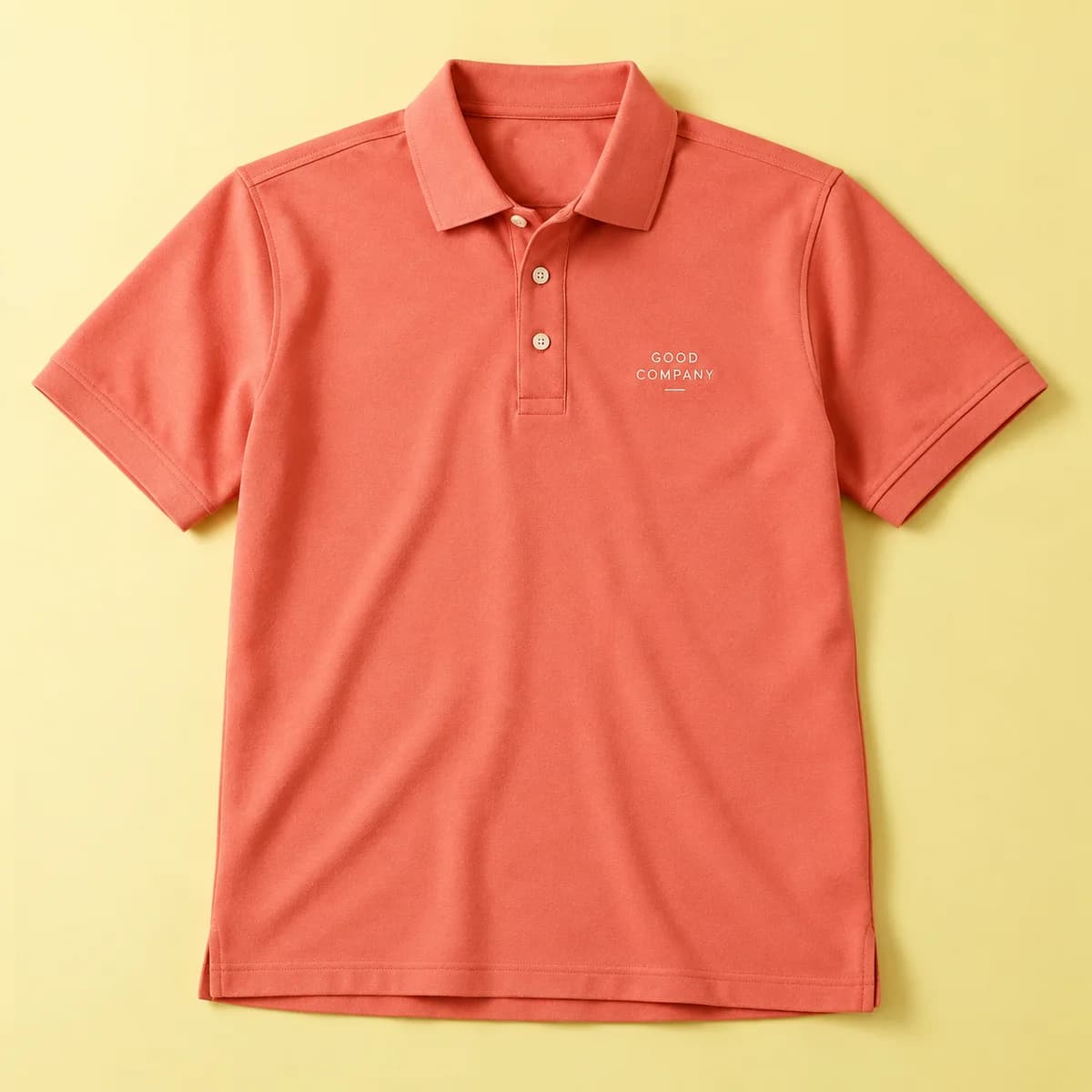
- Use the words the catalogue uses for the product: for embroidered polos, wash inside out on cold, no bleach, tumble dry or dry clean, and do not iron the embroidered area.
What about fiber content and origin?
That is a different rule. The Textile Fiber Products Identification Act requires generic fiber names and percentages by weight in descending order of predominance, the country where the product was processed or manufactured, and the identity of the manufacturer, importer or other responsible firm, either by name or by a Registered Identification Number. All required information must be clearly legible, conspicuous and readily accessible.
So a compliant garment label usually carries three separate things: fiber content, origin and responsible party under the textile rule, and care instructions under the care rule. They often share one label, but they answer to different requirements.
Tear away labels and relabelling
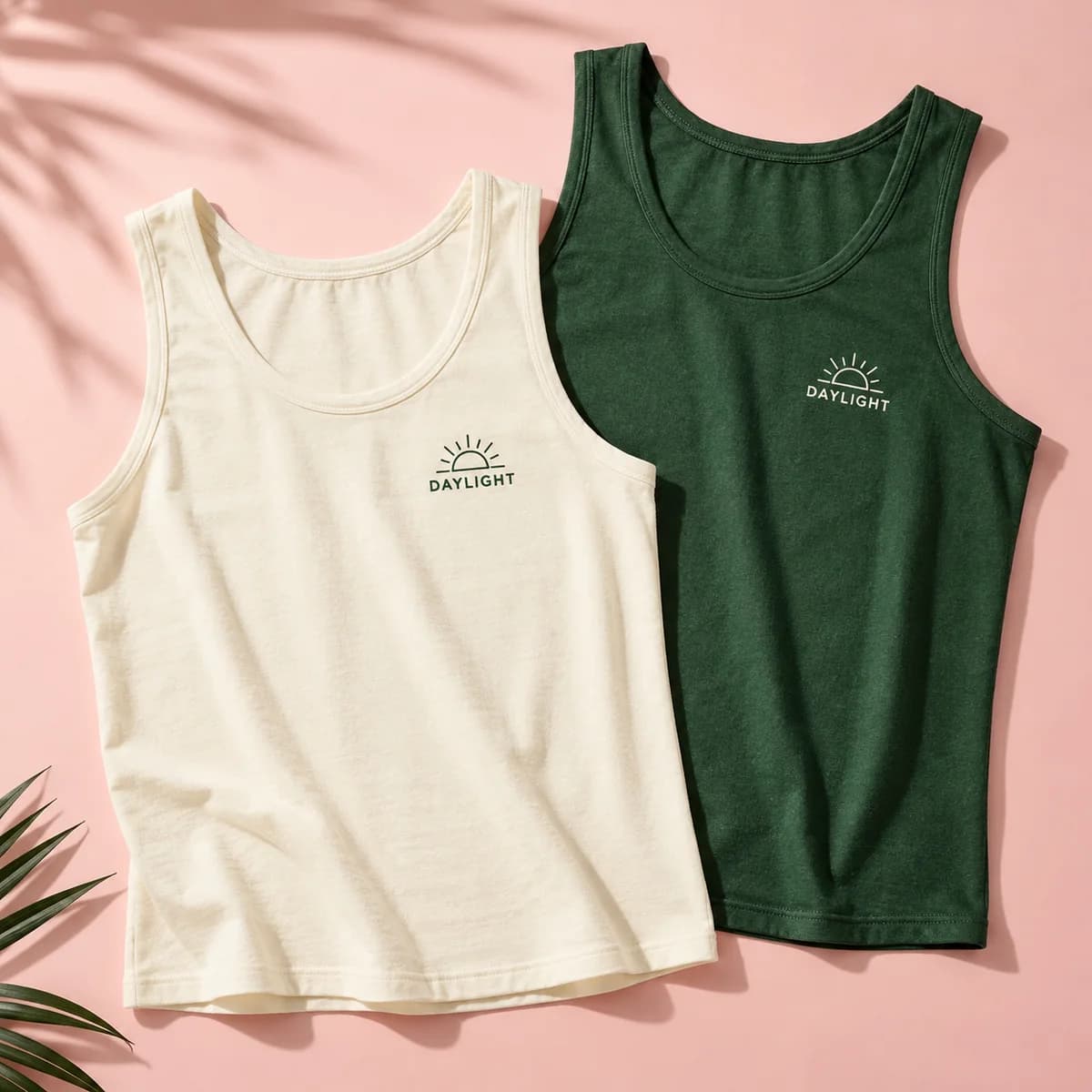
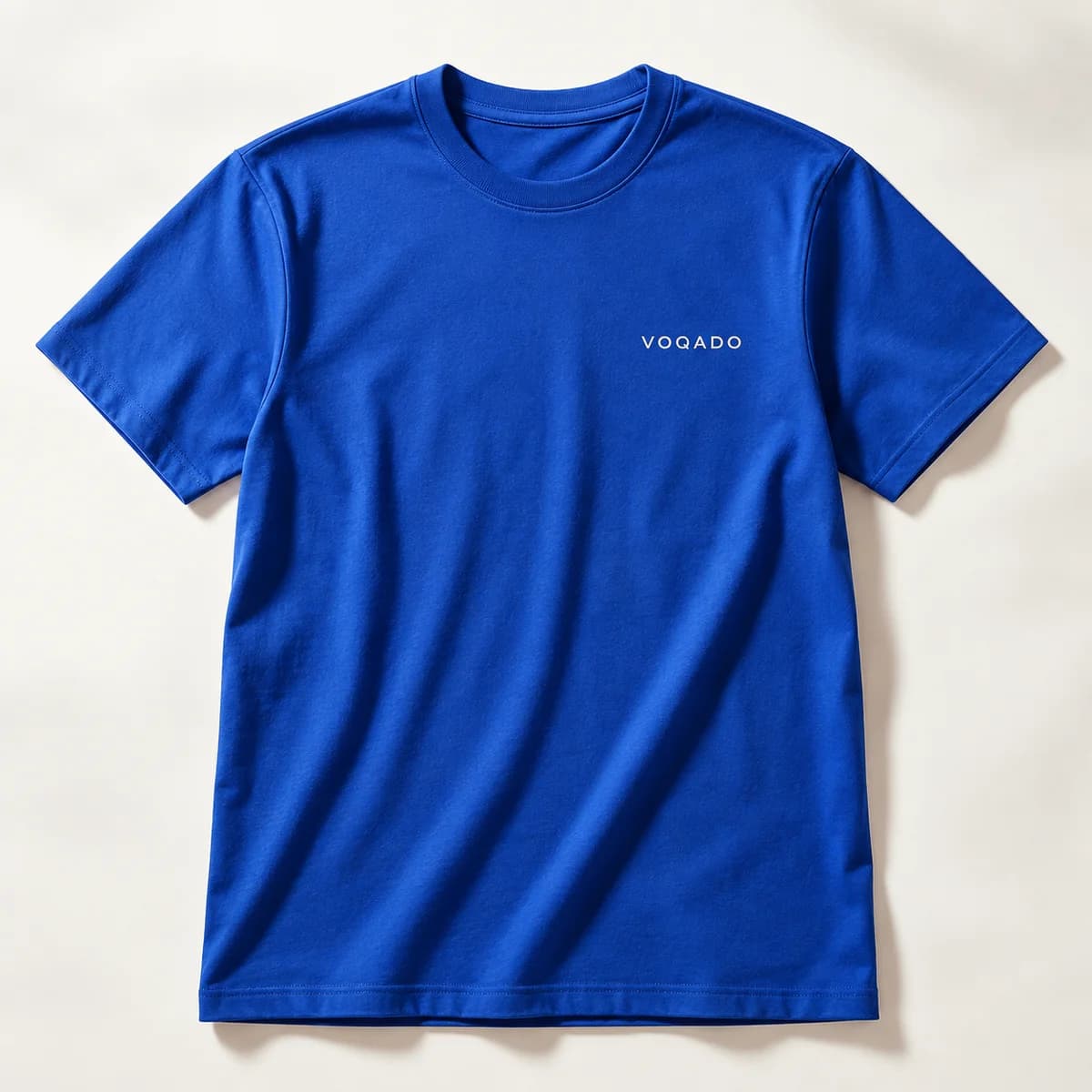
Several garments in this range carry a tear away label, including custom T shirts and tank tops. A tear away is designed so a wearer can remove a scratchy label from the neck. It is not an invitation for a seller to remove the manufacturer's label and substitute their own.
If you relabel garments you sell, you take on the accuracy of everything on the new label, including the care instruction and the reasonable basis behind it. That is a real obligation and it is worth deciding deliberately rather than by default.
Care labelling checklist
- Decide whether you are a manufacturer, importer or neither for the garments you sell.
- Keep the garment's own permanent label attached and legible.
- Make care information available at the point of sale, not only inside a package.
- Use words in the US; treat symbols as optional and follow the referenced ASTM guide.
- Do not rely on ISO symbols alone for the US market.
- Communicate decoration care separately, because the blank label will not cover it.
- Hold a reasonable basis for every instruction you print.
Frequently asked questions
Who is responsible for the care label on custom apparel?
The rule applies to manufacturers and importers of textile wearing apparel and piece goods, including anyone who directs or controls the manufacturing or importing. Buying finished, labelled garments and adding a logo for your own staff is a different situation from producing decorated garments for sale, so check your own facts before assuming the duty is not yours.
Can I use only care symbols on a US label?
No. Symbols are optional in the US and, where used, follow the ASTM guide the rule references. European ISO symbols on their own are not currently permitted in the United States, so a garment sold in both markets usually carries words plus symbols. ISO 3758 is the international symbol code, updated in 2023.
What must a care label say?
Complete instructions for washing by hand or machine, bleaching, drying, ironing, and any warnings needed to avoid harm in ordinary care. Drycleaning labels must name a compatible solvent and any process modification. The label must be permanently attached, stay legible for the useful life of the garment, and be available to the consumer at the point of sale.
Can I remove the manufacturer's label and add my own?
Several garments here have a tear away label so a wearer can remove a scratchy neck label. That is not the same as a seller relabelling stock. If you replace a label on garments you sell, you take on the accuracy of everything on the new one, including the care instruction and the reasonable basis behind it.
Sources & specification notes
The references below support the relevant technical or product details in this guide. Examples and checklists are not claims of practical testing or universal supplier requirements. Confirm the current specifications for your chosen product before production.
- FTC: Clothes Captioning, Complying with the Care Labeling Rule ↗
Supports who must label, the five care elements, permanence and legibility, point of sale availability, the reasonable basis requirement, and that symbols are optional and follow the referenced ASTM guide.
- ASTM D5489: Standard Guide for Care Symbols for Care Instructions on Textile Products ↗
The ASTM guide for care symbols referenced by the FTC rule when symbols are used.
- ISO 3758:2023, Textiles, Care labelling code using symbols ↗
Supports the statement that the international care label sequences symbols as washing, bleaching, drying, ironing and professional textile care.
- FTC: Threading Your Way Through the Labeling Requirements Under the Textile and Wool Acts ↗
Supports the fiber content, country of origin and responsible party requirements, including the Registered Identification Number option and the legibility requirement.