What the two spinning systems do
In ring spinning, a roving is drafted thin and twist is inserted into a continuous strand. The fibers align along the yarn axis. In open end spinning, the roving stage is skipped: sliver feeds directly into a rotor, individual fibers are collected from the rotor wall by centrifugal force, and twist is applied as the yarn is drawn off.
The structural difference is what you feel. Open end yarn has surface fibers wrapped around the strand rather than running with it, which gives a harsher hand. Rotor spun yarn is also less strong than a comparable ring spun yarn. In exchange, rotor spinning runs at several times the production rate of ring spinning with fewer steps, which is exactly why the cheapest blanks use it.
How the difference shows up in a finished shirt
| Property | Ring spun | Open end |
|---|---|---|
| Hand feel | Smoother, softer | Coarser, drier |
| Strength at the same count | Higher | Lower |
| Surface | Even, fewer protruding fibers | More surface fuzz |
| Print surface | Finer detail holds | Detail breaks up slightly |
| Pilling tendency | Lower | Higher |
| Cost | Higher | Lower |
The print surface line is the one that matters most for decorated apparel. A smoother, more even surface accepts a thin ink film without breaking it up, which is why fine lines and small text reproduce better on a ring spun blank. On a coarse open end tee, the same artwork picks up a slightly ragged edge.
Which garments here are ring spun?
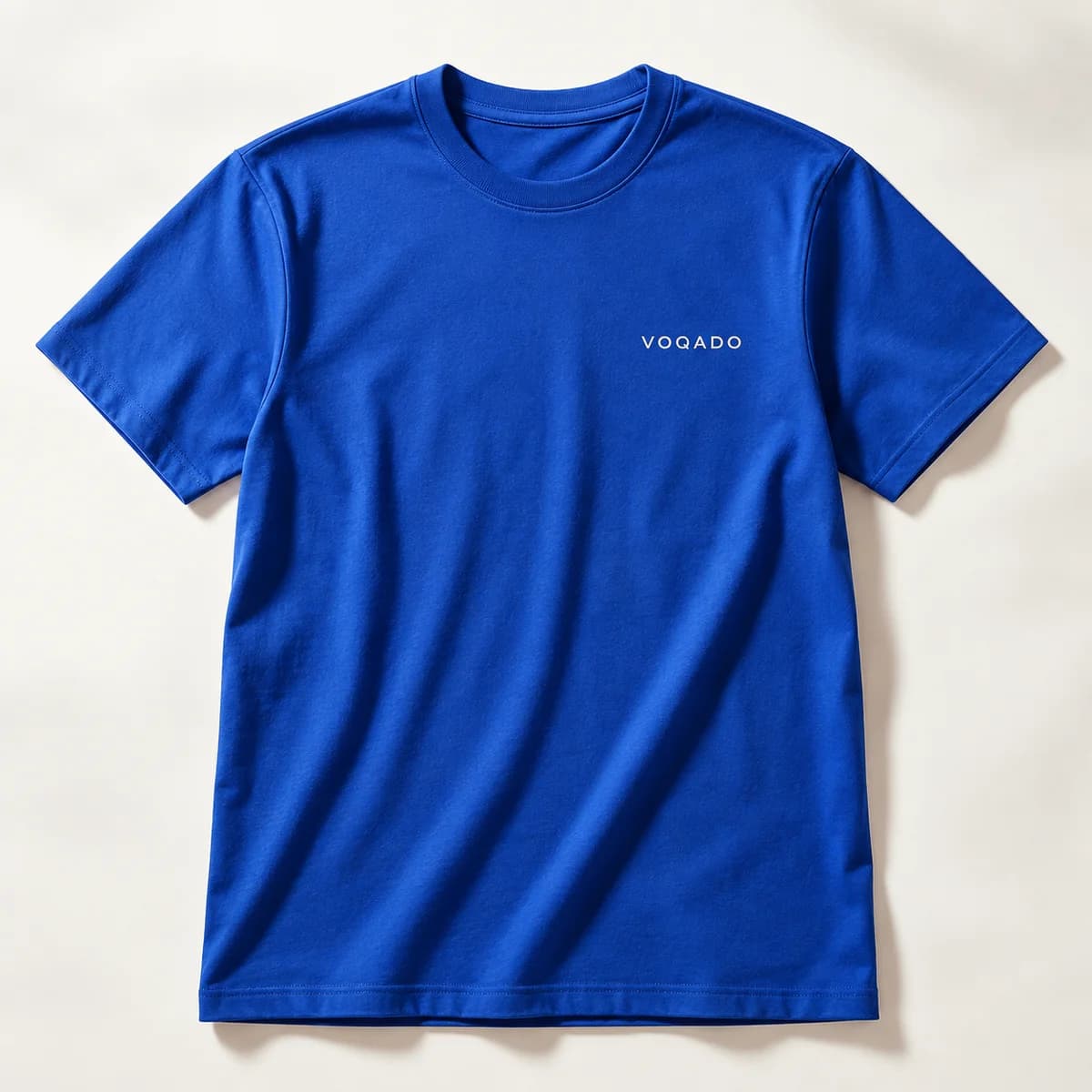
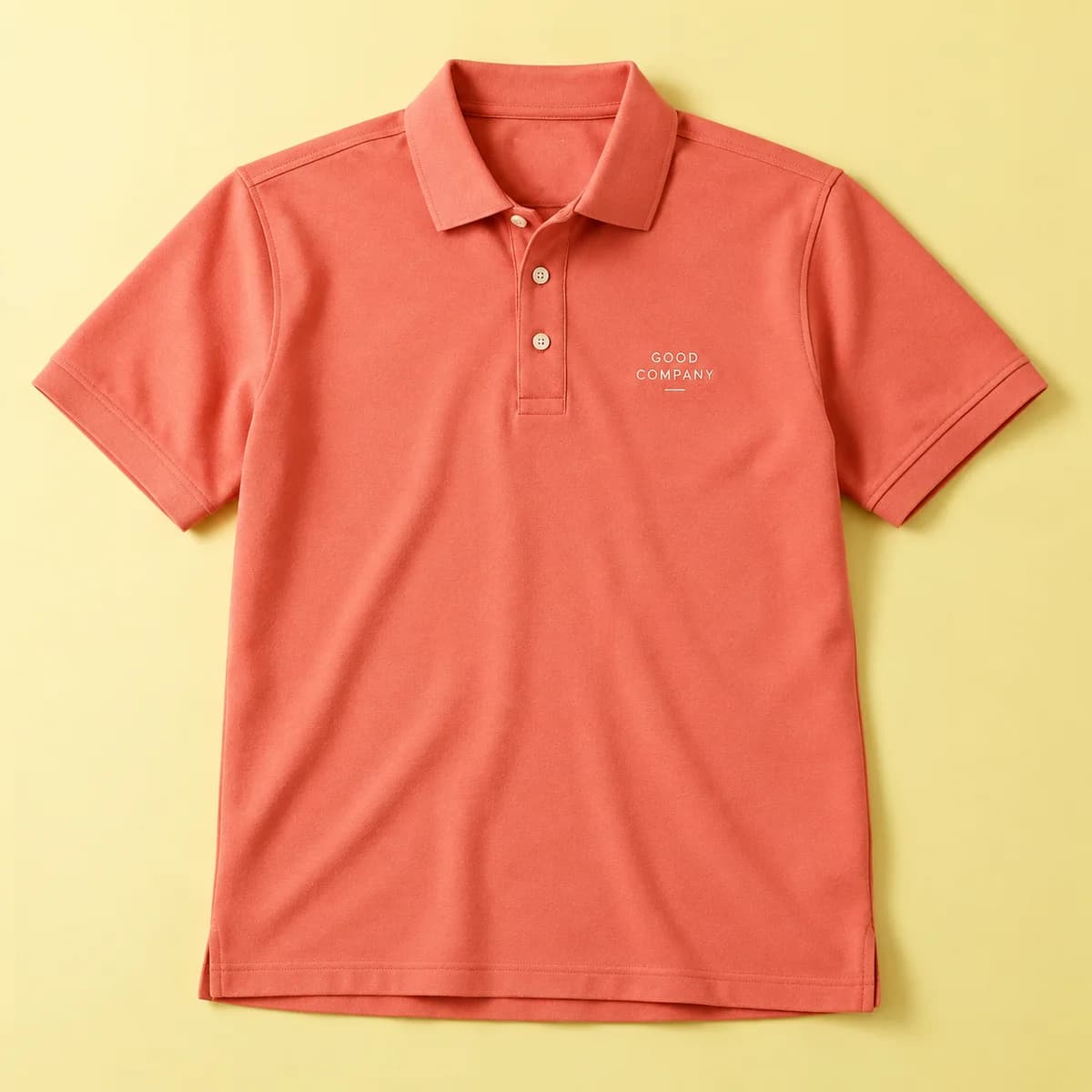
The catalogue states the yarn where it knows it. Tank tops are 100 percent ring spun cotton at 4.5 oz, pre washed to minimize shrinkage and reactive dyed. Polo shirts are 100 percent ring spun cotton at 6.5 oz with a fashion knit collar. Custom T shirts are described as soft cotton or cotton blend without a yarn type stated.
Where a spec does not name the yarn, do not assume. Ask before you order if it matters, and remember that the fiber content on the garment's own label is the disclosure that counts: fiber names and percentages by weight must be listed in descending order of predominance.
How do you tell them apart in your hand?
You can do this with two shirts and no equipment.
- Rub the fabric between finger and thumb. Ring spun feels slippery and even; open end feels dry and slightly grabby.
- Hold a single layer up to a window. Ring spun shows a more regular knit with fewer thick and thin spots.
- Stretch a small area gently. Open end jersey often shows more surface fuzz appearing as it stretches.
- Look at the hem after one wash. Open end fabrics tend to fuzz sooner.
None of these tests is conclusive on its own, but together they separate a soft blank from a rough one reliably enough to choose between two quotes.
Does it justify the price difference?
It depends on whether the shirt has to be chosen or only accepted. A handout tee at a one day event is accepted; nobody compares the yarn. A uniform worn four days a week, or merchandise someone paid for, is chosen, and the hand feel is most of what they are judging.
The other half of the calculation is the print. If your artwork is a bold one color mark, an open end blank will carry it perfectly well. If it includes fine lines, small text or a halftone, the smoother surface earns its money.
Combed, carded and the other words on the label
Ring spun and open end describe how the yarn was twisted. Combed and carded describe how the fibers were prepared before that. Carding cleans and aligns fibers roughly; combing removes short fibers and aligns the rest more strictly, which produces a finer, cleaner yarn.
The softest blanks are usually described as combed ring spun cotton, because both stages have been done the slow way. The cheapest are open end and carded. A blend, such as a cotton and polyester jersey, changes the picture again: polyester adds strength and reduces shrinkage but feels different and takes some inks differently.
Weight is a separate question
Fabric weight in ounces per square yard is measured independently of spinning, and a heavy shirt is not automatically a nice one. A 6 oz open end tee can feel stiffer and less pleasant than a 4.5 oz ring spun one. Mass per unit area is measured by standard methods such as ASTM D3776, which is why the number is comparable between suppliers while hand feel is not.
If you want to compare two blanks properly, look at three things together: yarn type, weight and whether the fabric is pre washed. The guide to fabric weight explains what the ounce figure does and does not tell you.
Blank quality checklist
- Ask which yarn the blank uses, and treat an unstated yarn as unknown.
- Choose ring spun where the shirt will be chosen rather than accepted.
- Choose ring spun where artwork includes fine lines or small text.
- Feel two samples side by side rather than comparing spec sheets.
- Read fiber content from the garment label, where percentages are disclosed by weight.
- Compare yarn, weight and pre washing together, not one at a time.
Frequently asked questions
Is ring spun cotton better than regular cotton?
It is smoother and stronger for the same yarn thickness, because the fibers are twisted into a continuous parallel strand rather than collected in a rotor. That makes it feel better and hold fine print detail better. Whether it is worth the price depends on whether the wearer chose the shirt or was handed it.
What does open end cotton feel like?
Drier and coarser, with more surface fuzz, because many fibers are wrapped around the yarn rather than running along it. It is a perfectly serviceable fabric for a bold one color print and a short service life. It tends to fuzz and pill sooner than a comparable ring spun jersey.
Which garments here state their yarn type?
Tank tops are 100 percent ring spun cotton at 4.5 oz, pre washed and reactive dyed. Polo shirts are 100 percent ring spun cotton at 6.5 oz. Custom T shirts are described as soft cotton or cotton blend without naming the yarn, so ask before ordering if it matters to you.
What is combed ring spun cotton?
Combing is a fiber preparation step that removes short fibers and aligns the rest before spinning. Combed ring spun cotton has had both the preparation and the spinning done the slow way, which produces the smoothest, most even jersey. Carded open end cotton is the opposite end of the same scale.
Sources & specification notes
The references below support the relevant technical or product details in this guide. Examples and checklists are not claims of practical testing or universal supplier requirements. Confirm the current specifications for your chosen product before production.
- Cotton Incorporated: Introduction to Open End Spinning, Technical Bulletin TRI 1004 ↗
Supports the statements that open end yarn fibers are less parallel with surface fibers wrapped randomly, that rotor spun yarn is less strong than comparable ring spun yarn, and that fabric from open end yarn has a harsher hand.
- ASTM D3776/D3776M: Standard Test Methods for Mass Per Unit Area (Weight) of Fabric ↗
Supports the point that fabric weight is measured by a standard method, which makes the ounce figure comparable between suppliers.
- FTC: Threading Your Way Through the Labeling Requirements Under the Textile and Wool Acts ↗
Supports the statement that generic fiber names and percentages by weight are listed in descending order of predominance on the label.