What each method fails from
| Decoration | How it fails | What accelerates it |
|---|---|---|
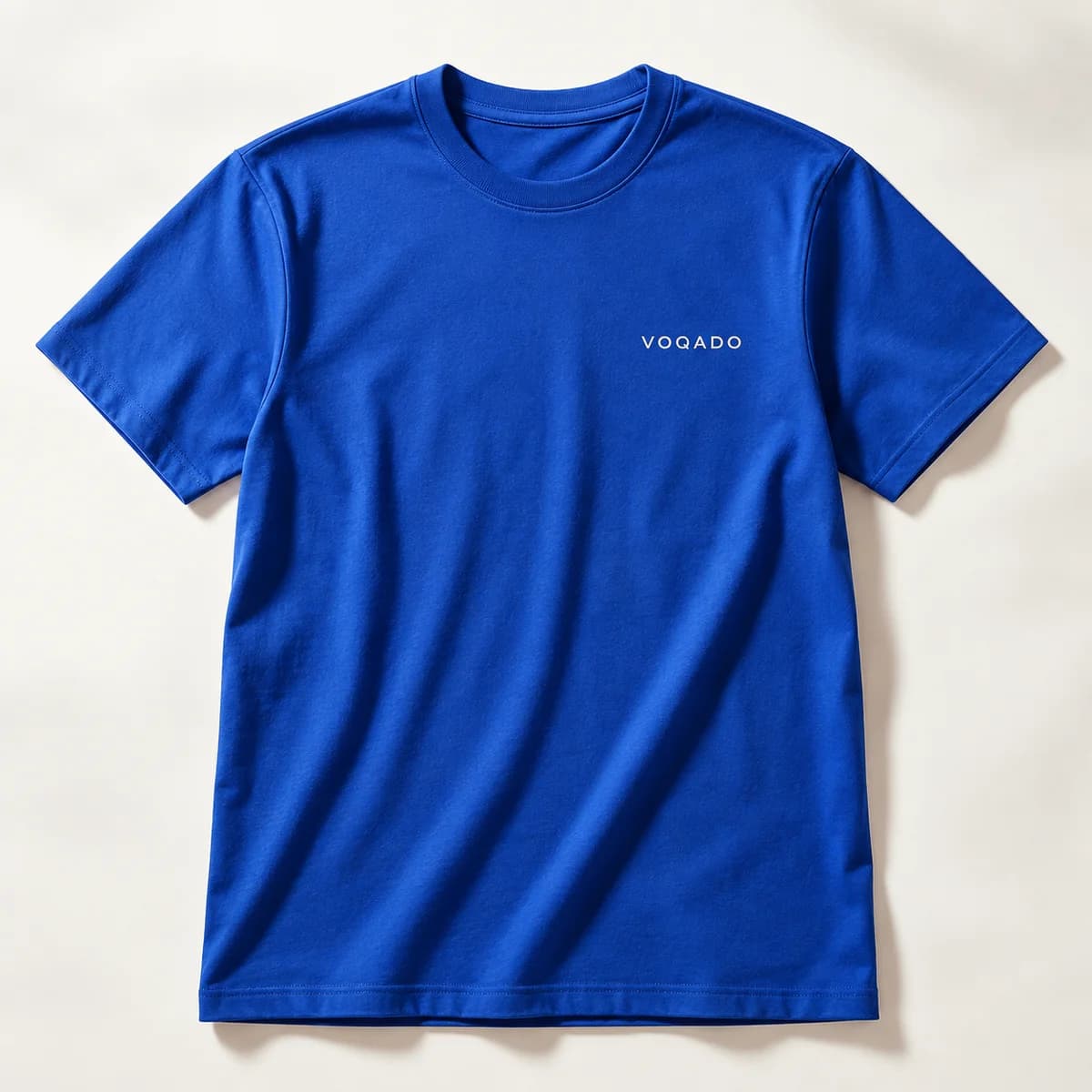
| Screen print | Cracks in folds, then fades | Hot water, hot dryer, ironing the print |
| Direct to garment | Fades, especially on dark garments | Hot water, abrasion, bleach |
| Heat transfer | Lifts at an edge, then peels | High dryer heat, ironing directly on it |
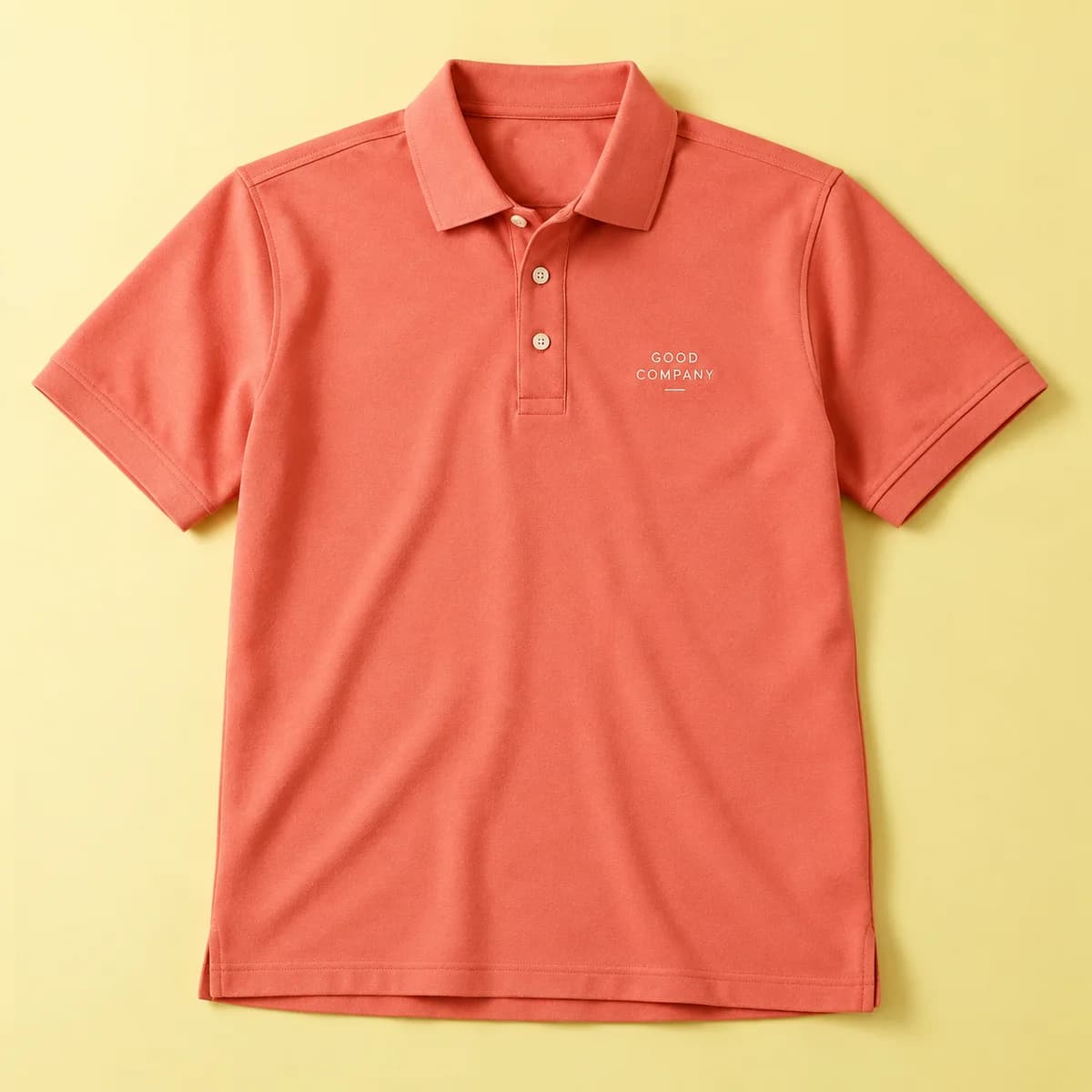
| Embroidery | Frays, snags, thread pulls | Snagging, ironing the stitched area |
| Garment dye | Fades, bleeds | Hot water, bleach, direct sun drying |
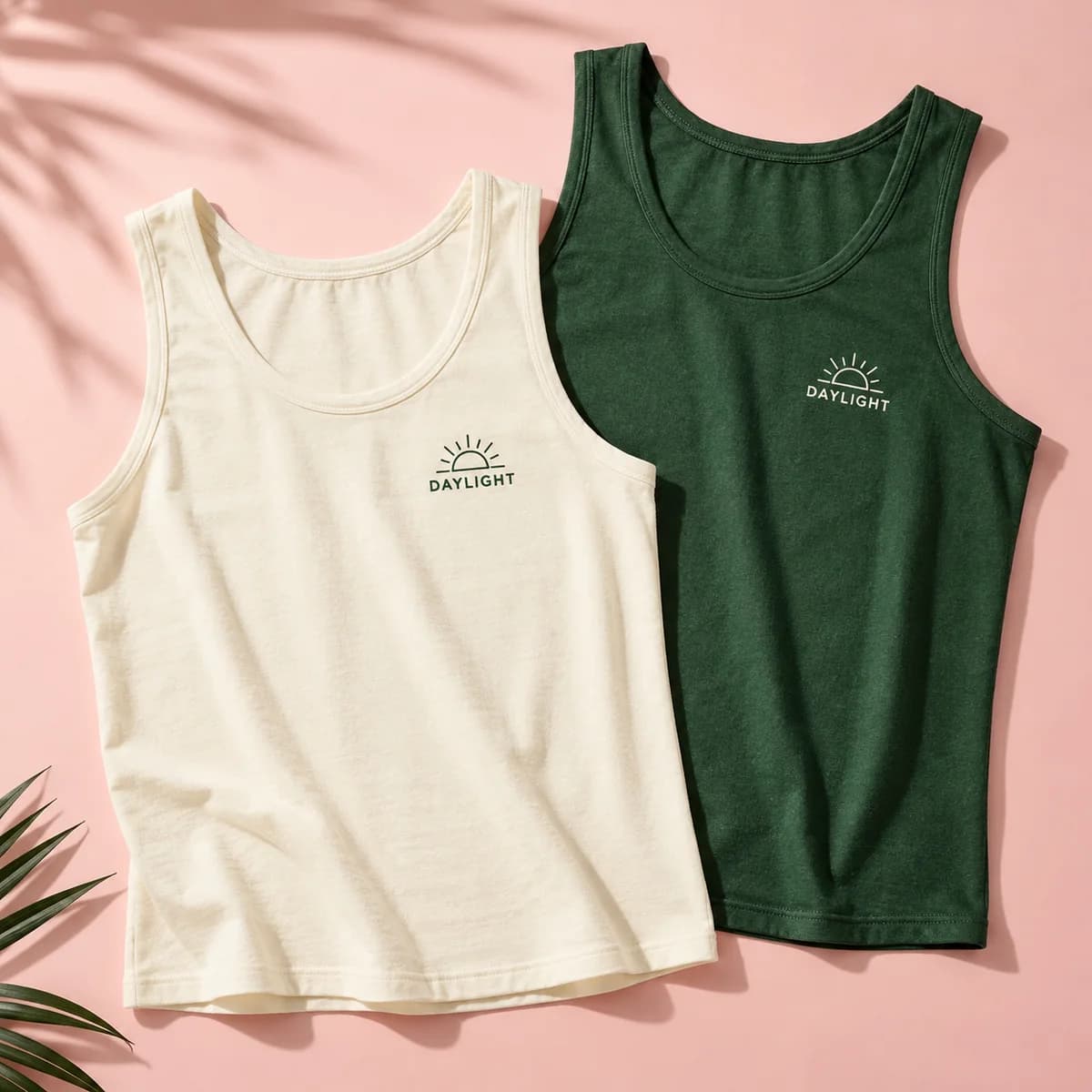
Notice that the garment itself is on the list. A print in perfect condition on a faded shirt still looks worn out, which is why reactive dyed fabric is worth asking about for anything with a long service life. Tank tops in this catalogue are described as reactive dyed.
How is durability actually measured?
Suppliers do not wait a year. Colorfastness to laundering is tested with accelerated methods, most commonly AATCC TM61, in which specimens are agitated with detergent solution and steel balls in a heated bath. One 45 minute test approximates the color loss and surface change of roughly five typical hand or home launderings, which is how a finish can be compared in an afternoon.
Dimensional change, which is the shrinkage that makes a print look distorted, is measured separately by AATCC TM135 across defined wash temperatures, agitation cycles and drying procedures. Crocking, the transfer of color by rubbing, is a third property again.
Those three tests exist because the question does it last has three different answers. When a supplier says a decoration is durable, ask which one they mean.
The care routine that works
This is short because it is simple, and it is the same advice for almost every decorated garment.
- Turn the garment inside out before washing. The print then rubs against itself, not against the drum and the zip of whatever else is in the load.
- Wash cold. Heat softens ink films and transfer adhesives and opens the fabric to dye loss.
- Skip the bleach. Chlorine bleach attacks both the dye and the print.
- Tumble dry low, or line dry. The dryer is the single most damaging appliance for printed apparel.
- Do not iron the decorated area. Iron around it, inside out, or not at all.
The catalogue care line for embroidered polo shirts says exactly this in its own words: wash inside out on cold, no bleach, tumble dry or dry clean, and do not iron the embroidered area.
Why does the iron matter so much?
An iron combines the two things decoration cannot tolerate, heat and pressure, and applies them directly to the decorated surface. On a heat transfer it can re soften the adhesive and lift the film. On a screen print it can glaze the ink and imprint the weave of the ironing board. On embroidery it flattens and shines the thread, and that change is permanent.
If a garment must be pressed, press it inside out with the decorated area face down on a soft towel, or use a press cloth. For a dress shirt with an embroidered logo, iron everywhere except the logo.
Who is responsible for the care label?
The manufacturer or importer, and anyone who directs or controls the manufacturing or importing of textile wearing apparel. Under the FTC Care Labeling Rule the label must be attached permanently and securely, stay legible for the useful life of the product, and give complete instructions covering washing, bleaching, drying, ironing and any warnings. Care symbols are optional in the US and, if used, follow the ASTM guide referenced by the rule; European symbols alone are not currently permitted.
For a branded order this matters in a practical way. The garment arrives with its own care label from the blank manufacturer, and your decoration adds a requirement that label may not mention. Tell wearers the decoration care in writing, on a card, in an email or in a staff handbook. Do not rely on them reading the neck label.
Bags and hard goods are stricter
Decorated bags in this range carry deliberately conservative care lines. Tote bags say to skip the washing machine to keep the print bold. Drawstring bags say sponge clean only. Messenger bags and briefcases recommend hand washing. That is not caution for its own sake: a printed canvas panel in a machine drum is abraded by its own hardware.
Drinkware is similar. Water bottles and tumblers here are hand wash or hand wash recommended, while ceramic custom mugs are dishwasher and microwave safe. Read the line for the actual product rather than assuming.
Durability checklist
- Expect cracking and fading, not washing off, from a cured print.
- Ask which durability a supplier means: color, dimension or rubbing.
- Wash inside out, cold, no bleach, low or no tumble drying.
- Never iron the decorated area, and press inside out on a towel if you must.
- Tell wearers the decoration care in writing, not only on the neck label.
- Follow the specific care line for bags and drinkware, which is usually stricter.
Frequently asked questions
Will a screen printed shirt fade in the wash?
It will fade slowly over many cycles, and it will crack along fold lines before it fades noticeably. Hot water, a hot dryer and ironing the print are what turn years into months. Washing inside out in cold water and drying on low makes a very large difference to how long the print looks new.
How many washes does a printed shirt last?
There is no single number, which is why the industry measures it indirectly. An accelerated laundering test of 45 minutes approximates roughly five typical home launderings, and suppliers compare finishes that way. A well cured print on a reactive dyed garment, washed cold and dried low, commonly outlasts the point where the garment itself looks tired.
Can you iron a printed T shirt?
Not over the print. An iron applies heat and pressure directly, which glazes ink, lifts transfer film and permanently flattens embroidery thread. Iron around the decorated area, or press the garment inside out with the print face down on a soft towel. The catalogue care line for embroidered polos says not to iron the embroidered area at all.
Can you machine wash a printed tote bag?
The care line for tote bags here says to skip the washing machine to keep the print bold, and drawstring bags say sponge clean only. A bag's own handles and hardware abrade the printed panel inside a drum, so spot cleaning is the instruction rather than a compromise. Messenger bags and briefcases recommend hand washing.
Sources & specification notes
The references below support the relevant technical or product details in this guide. Examples and checklists are not claims of practical testing or universal supplier requirements. Confirm the current specifications for your chosen product before production.
- AATCC TM61: Test Method for Colorfastness to Laundering ↗
Supports the description of accelerated laundering, in which one 45 minute test approximates roughly five typical hand or home launderings.
- AATCC TM135: Test Method for Dimensional Changes of Fabrics after Home Laundering ↗
Supports the statement that dimensional change is measured separately across defined wash temperatures, agitation cycles and drying procedures.
- FTC: Clothes Captioning, Complying with the Care Labeling Rule ↗
Supports the requirements that care labels be permanently attached, remain legible for the useful life of the product, and cover washing, bleaching, drying, ironing and warnings.