What each method actually does
Screen printing is a stencil process. A fine mesh screen is blocked everywhere except the shape you want, ink is pulled across it, and the ink that passes through lands on the garment and is cured with heat. Each color needs its own screen, its own pass and its own alignment.
Heat transfer builds the image first, on a carrier, then bonds it to the garment under a heated press. Because the image is already complete, the number of colors in it makes no difference to the application. This is why the catalogue describes heat transfer as unlimited colors on the products that offer it, including jackets and vests, drawstring bags, messenger bags and briefcases.
Which is cheaper at your quantity?
| Quantity | Simple one color mark | Complex multicolor artwork |
|---|---|---|
| 1 to 12 | Heat transfer | Heat transfer |
| 12 to 50 | Either, compare quotes | Heat transfer |
| 50 to 250 | Screen printing | Heat transfer or direct to garment |
| 250 and up | Screen printing | Simplify the artwork, then screen print |
The crossover is not a fixed number, because it moves with color count, print size and the garment. The rule behind the table is simple: screen printing charges you once for setup and very little per piece afterwards, so it needs volume to pay that setup back. Heat transfer charges you almost nothing to start and roughly the same amount for every piece, so it never gets dramatically cheaper.
If you are choosing between quotes, ask for the price at your real quantity and at double it. The shape of those two numbers tells you which process you are being quoted.
How do they feel and look?
A screen printed mark sits in and slightly on the fabric. Thin ink layers feel almost like the shirt; heavy opaque layers, especially white ink on a dark garment, feel like a soft rubbery patch. The edges are clean, the color is flat and consistent, and the surface breathes where the ink is thin.
A heat transfer sits on the fabric as a film. Modern transfers are thin and flexible, but the boundary of the image is a real edge you can feel, and large solid areas are less breathable than the garment around them. In exchange you get photographic detail, gradients and as many colors as your artwork contains.
On a garment where the whole point is a big soft graphic, screen printing usually feels better. On a garment where the mark is small and detailed, such as a logo on a briefcase, the transfer film is barely noticeable.
Which survives the wash better?
Both fail by the same route: the bond between the decoration and the fabric gives up, usually helped by heat and abrasion. A well cured screen print cracks in the folds after many cycles. A heat transfer lifts at an edge or a corner and then peels.
The care advice is the same for both. Wash inside out, in cold water, and avoid high heat in the dryer, because heat is what softened the ink or adhesive in the first place. Skip the iron over the decorated area entirely. Colorfastness to laundering is measured with accelerated methods such as AATCC TM61, where one 45 minute test approximates roughly five typical home launderings, which is how suppliers compare finishes without waiting a year.
One catalogue detail matters here. Tote bags and drawstring bags both carry care lines that steer you away from the washing machine, precisely because the print is the part that suffers. On a bag, spot cleaning is not a compromise, it is the instruction.
Which garments take which method?
This is not a free choice. Method suitability depends on the fabric and the construction of the specific product.
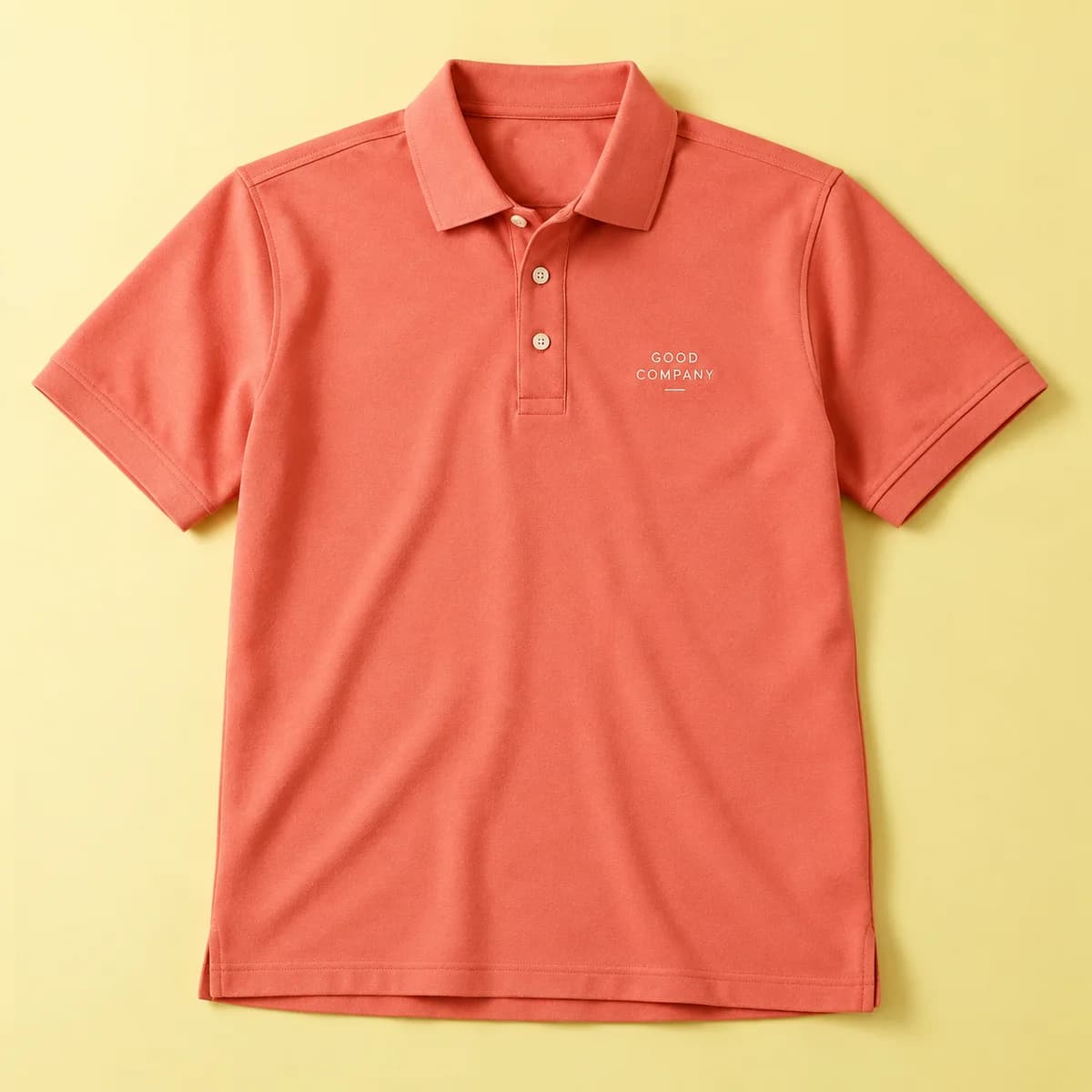
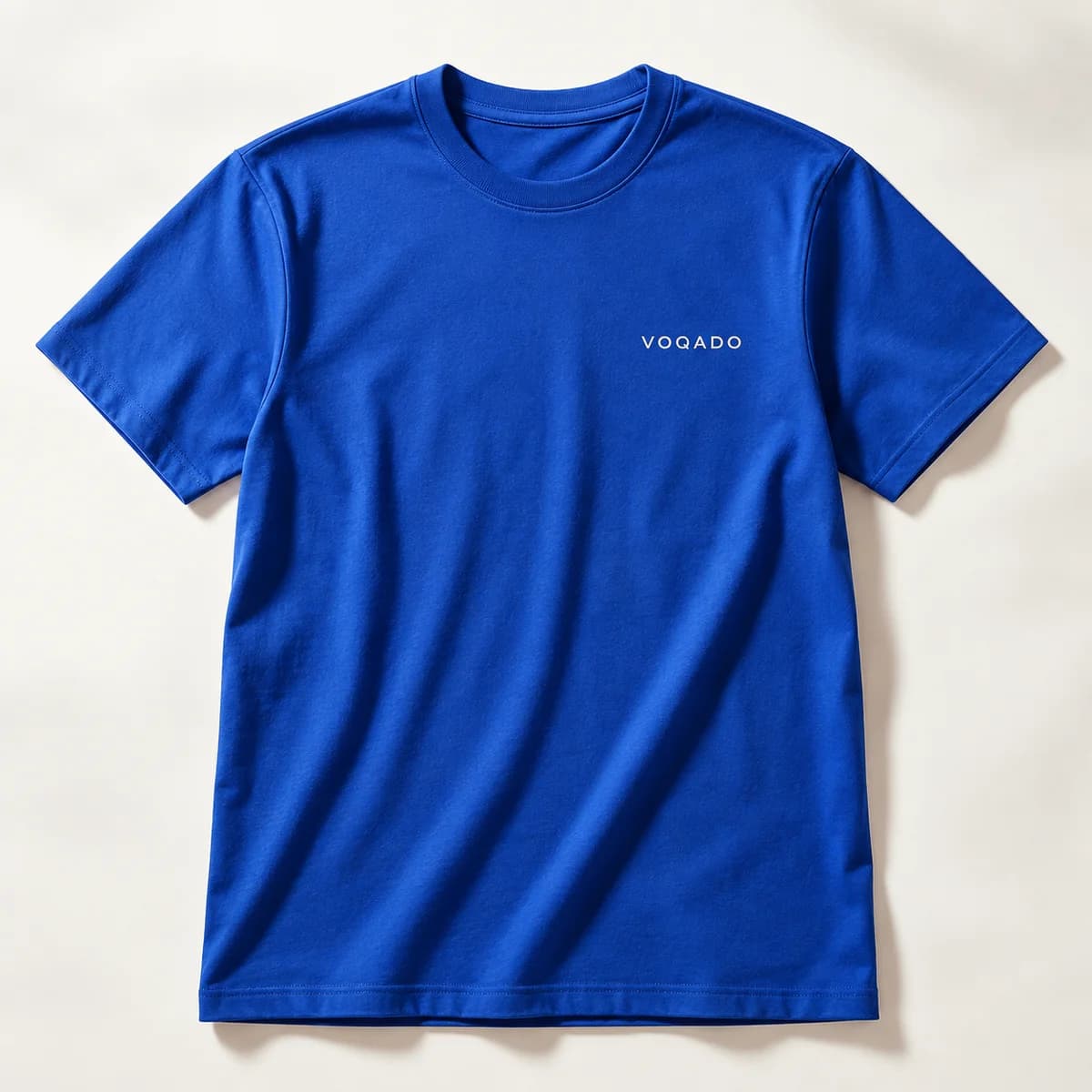
- Custom T shirts: direct to garment for unlimited colors, or single color screen printing for bulk value.
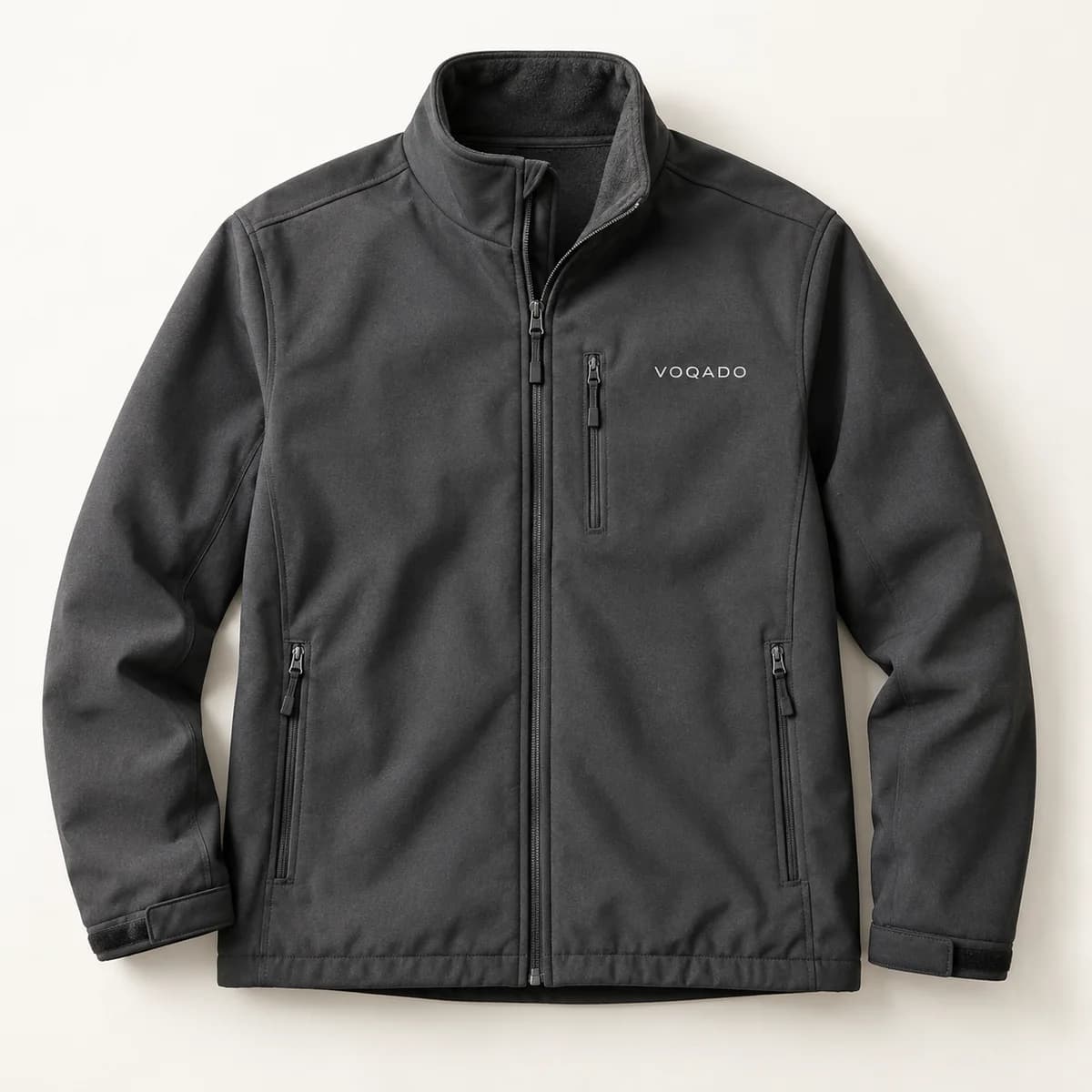
- Jackets and vests: embroidery in up to 12 thread colors, or heat transfer for unlimited colors.
- Drawstring bags: heat transfer or direct to garment.
- Messenger bags and briefcases: embroidery or heat transfer.
- Travel mugs: single color screen printing or heat transfer.
Products outside that list do not publish a decoration method. For those, the decoration template is sent before production and the method is confirmed with you after you order. Asking for heat transfer on a knit beanie is a reasonable request, not a settled fact, and it should be written into the order as a preference.
How should artwork differ?
For screen printing, reduce. Count your colors, remove gradients, thicken hairlines and decide which color is allowed to be the garment itself. A design that uses the shirt color as one of its colors needs one fewer screen.
For heat transfer, resolution matters more than color count. Send artwork at the largest size you want it applied. A logo exported at 400 pixels wide and pressed at 10 in wide will show its pixels no matter how good the press is.
Choosing in one minute
- Under about 25 pieces, or artwork with photographs and gradients: heat transfer.
- Over about 100 pieces with one or two flat colors: screen printing.
- Large soft graphic where feel matters most: screen printing.
- Small detailed mark on a structured item or a bag: heat transfer or embroidery.
- Not sure: order one piece of the actual product and handle it before committing.
Frequently asked questions
Is heat transfer as durable as screen printing?
A good transfer and a well cured screen print both last for years of normal wear. They fail differently: screen printed ink cracks along fold lines, while a transfer lifts at an edge and peels. Heat is the common enemy, so cold washing, inside out, and low or no tumble drying extends both by a long way.
Which is better for a 20 shirt order?
At that quantity heat transfer or direct to garment is usually the better value, because screen printing has to recover its setup cost across the run. Screen printing starts to win somewhere around 50 to 100 pieces for a one color design. Ask for pricing at your quantity and at double it to see which curve you are on.
Can heat transfer print photographs?
Yes. Because the image is produced before it reaches the garment, photographs, gradients and unlimited colors apply at the same cost as a single color. The limit is your file: send artwork at the largest size you want it applied, because a small file enlarged at the press stage shows soft edges and visible pixels.
Which method does this catalogue offer?
It varies by product. Custom T shirts offer direct to garment or single color screen printing. Jackets and vests offer embroidery or heat transfer. Drawstring bags offer heat transfer or direct to garment. Messenger bags and briefcases offer embroidery or heat transfer. Products without a published method confirm it with you after you order.
Sources & specification notes
The references below support the relevant technical or product details in this guide. Examples and checklists are not claims of practical testing or universal supplier requirements. Confirm the current specifications for your chosen product before production.
- AATCC TM61: Test Method for Colorfastness to Laundering ↗
Supports the statement that one 45 minute accelerated laundering test approximates roughly five typical hand or home launderings.
- FTC: Clothes Captioning, Complying with the Care Labeling Rule ↗
Supports the point that care instructions must cover washing, bleaching, drying, ironing and warnings, which is where the do not iron advice for decorated garments belongs.