How the two methods differ
| Embroidery | Screen printing | |
|---|---|---|
| Mark is made of | Thread stitched into the fabric | Ink cured onto the surface |
| Best size | Small, roughly 2 to 4 in wide | Any size up to the print area |
| Color handling | A set number of thread colors | One screen per color |
| Fine detail | Limited by stitch width | Limited by mesh and registration |
| Feel | Raised and textured | Flat, slightly rubbery in heavy ink |
| Wears out by | Snagging or fraying | Cracking or fading |
| Suits | Polos, dress shirts, caps, bags, outerwear | Tees, tanks, hoodies, totes |
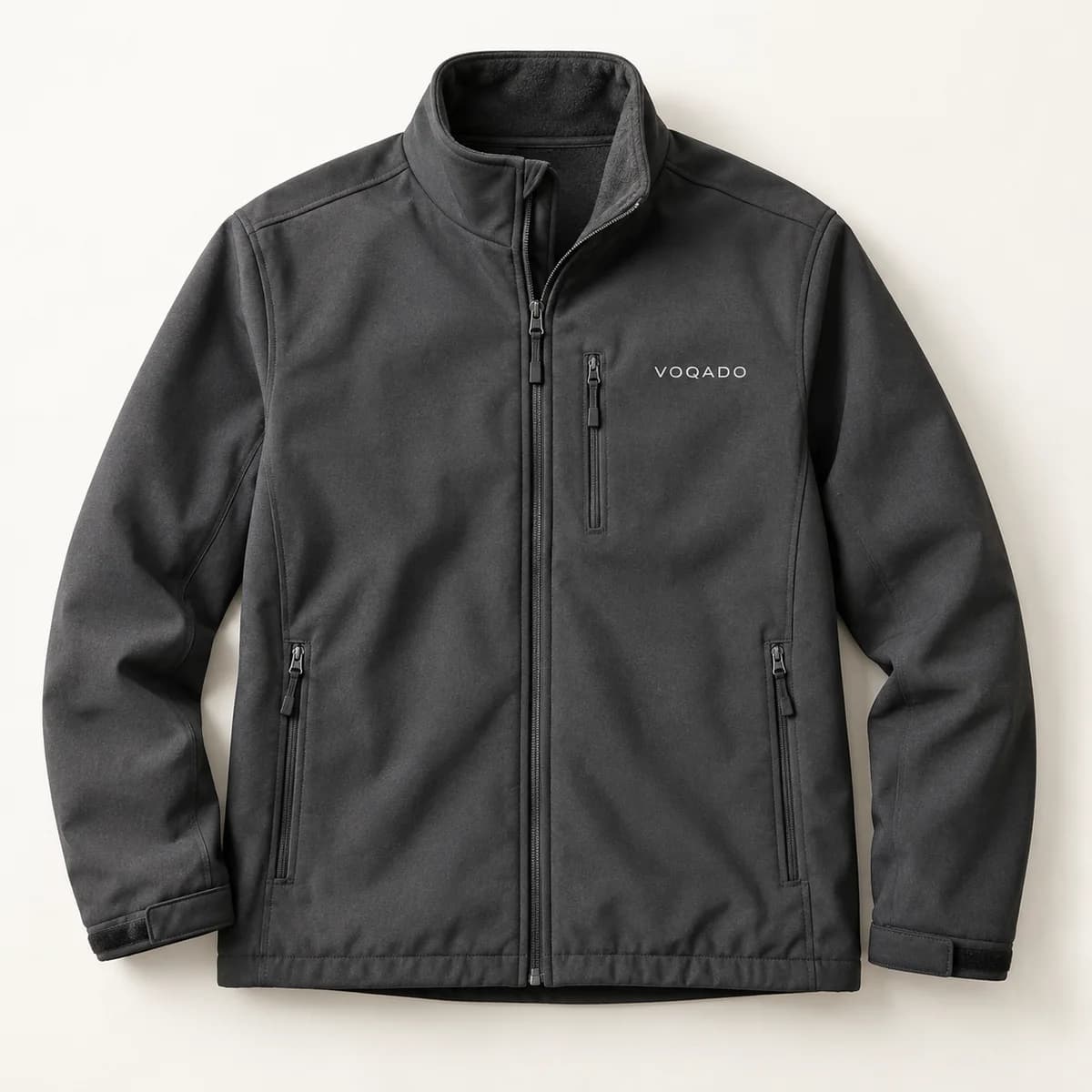
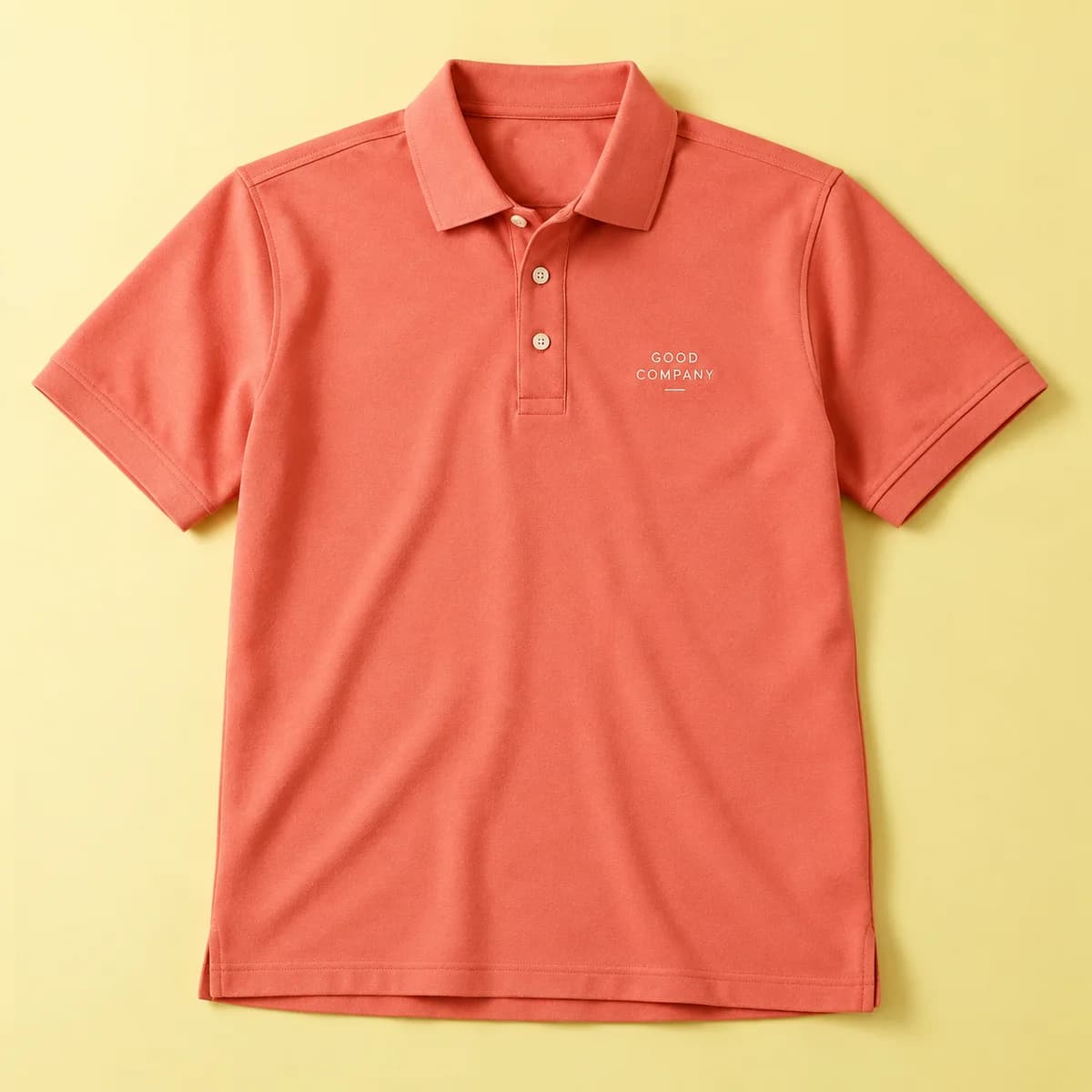
In this catalogue that split is already made for you on several products. Polo shirts are decorated with embroidery in up to 12 thread colors. Dress shirts carry an embroidered logo. Jackets and vests take embroidery or heat transfer. Custom T shirts take direct to garment or single color screen printing.
When does embroidery win?
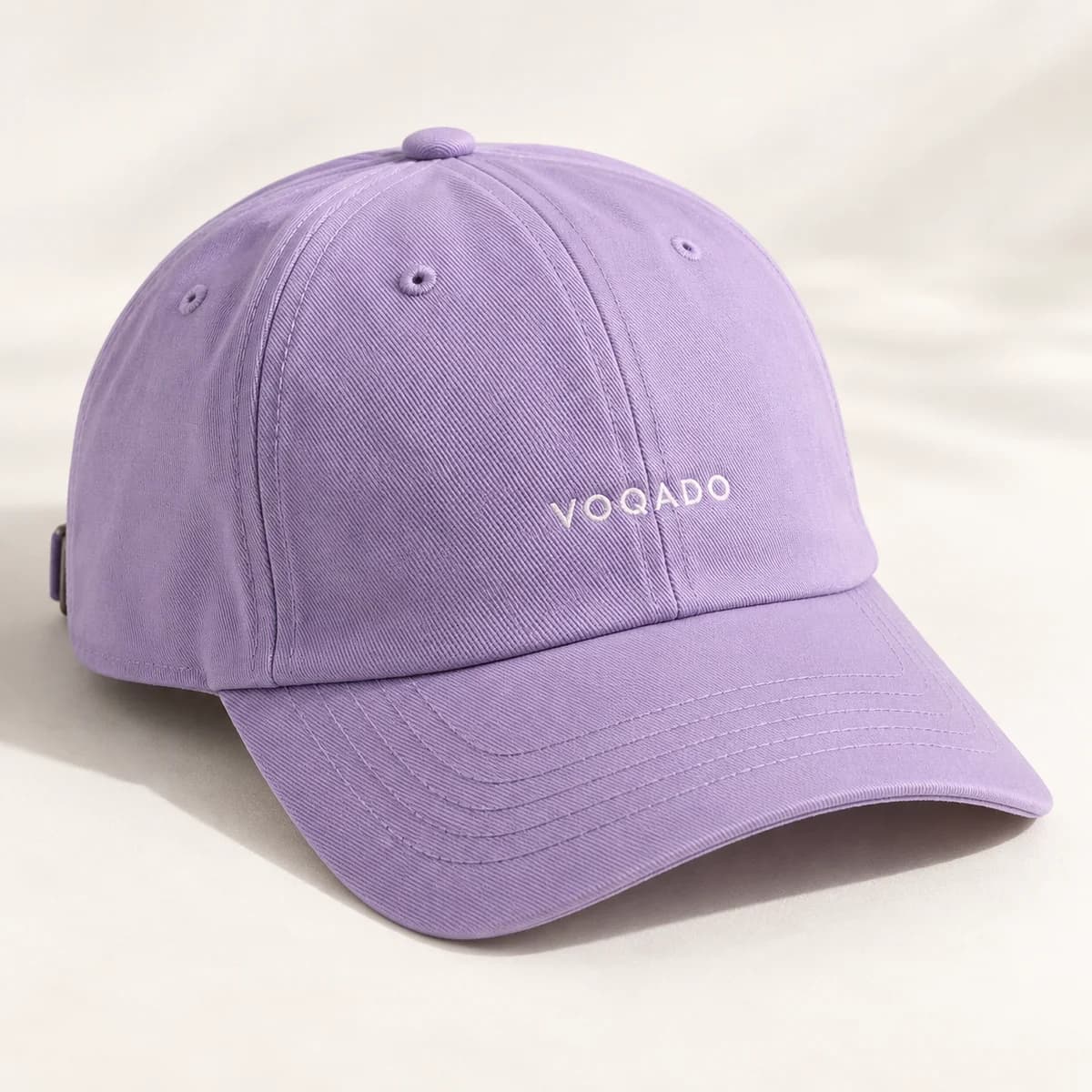
Embroidery wins when the garment has structure and the mark is small. A left chest logo on a polo, a front panel on a cap, a name on a messenger bag: all of these sit on fabric that is thick enough to hold stitches without puckering, and all of them are read from close up where texture reads as quality.
It also wins on longevity. Thread does not crack. A polo worn and washed weekly for two years usually fails at the collar before the embroidery shows wear. That matters for uniforms, where the whole point is that the tenth wash looks like the first.
The catalogue care line for embroidered polos is specific and worth repeating: wash inside out on cold, no bleach, tumble dry or dry clean, and do not iron the embroidered area. A hot iron flattens and glazes thread, and that damage is not reversible.
When does screen printing win?
Screen printing wins on area and on volume. A full front graphic 11 in wide costs the same to print whether it is a solid block or an outline, because the screen covers the same area either way. Once the screens are made, each additional shirt is quick, which is why the method has always been the choice for runs in the hundreds.
It also wins when flat color must be exact across a whole order. Every shirt in the run receives ink from the same screen, so the third shirt and the three hundredth match each other. Embroidery is consistent too, but thread colors are chosen from a fixed palette rather than mixed, so an unusual brand color will be approximated.
The limit is color count. Each color needs its own screen and its own pass, so a four color design is four times the setup. That is the arithmetic behind the usual advice to simplify artwork before a screen printed run, and it is why this catalogue offers single color screen printing on tees alongside direct to garment for anything more complex.
What does embroidery do to small text?
Stitches have a minimum practical width, and below it letters fill in and lose their counters. The letter e becomes a dot with a tail. This is the single most common disappointment with embroidered logos, and it happens at the artwork stage, not at the machine.
If your logo includes a strapline, a web address or a registered mark in small type, expect to drop it, set it larger, or split it onto a second line. The guide to minimum text size for embroidery works through how to test this before you commit. Vector artwork helps, because the digitizer redraws your mark as stitch paths and needs clean outlines to follow.
What about fabric?
Embroidery needs fabric that can be stabilized. Knit jersey stretches under the needle, which is why an embroidered tee often shows a slight ripple around the logo even when it is well done. Woven twill, pique knit, canvas and cap crowns behave much better.
Screen printing prefers smooth, stable surfaces too, but for a different reason: a rough or heavily textured fabric breaks up the ink film. Heavy canvas and waffle knits print with visible texture. That is sometimes the look you want, and sometimes a surprise.
Can you use both?
Yes, and it is often the right answer for a kit. Put embroidery on the polos and caps your staff wear in front of customers, and screen print the tees you hand out at an event. The mark is the same, the treatment matches the garment, and nobody is trying to stitch a photograph onto a tank top.
When you do this, redraw the mark once for each method rather than sending the same file twice. The embroidered version usually loses the smallest elements and gains slightly heavier strokes.
Which one should you choose?
- Small mark, structured garment, long service life: embroidery.
- Large graphic, knit garment, one or two flat colors, bigger run: screen printing.
- Photograph, gradient or many colors on a tee: direct to garment instead.
- Uncertain: order the smallest quantity of one garment and look at it.
Whichever you choose, the decoration preference recorded with your order is confirmed against the product's decoration template before production, so state it plainly and expect a conversation about suitability rather than a silent substitution.
Frequently asked questions
Is embroidery more expensive than screen printing?
It depends on size and quantity rather than method. Embroidery is priced by stitch count, so a small logo is inexpensive and a large filled design is not. Screen printing carries a setup cost per ink color that is spread across the run, so it gets cheaper per piece as quantity rises. Compare both at your actual size and quantity.
Does embroidery last longer than screen printing?
Usually yes. Thread stitched into the fabric does not crack or fade the way a surface ink film can, and embroidered uniforms commonly outlast the garment itself. Screen printed ink lasts well when it is cured properly and washed inside out in cold water, but it wears by cracking rather than by fraying.
Can you embroider a T shirt?
You can, but knit jersey stretches under the needle and often shows a slight ripple around the stitched area. Keep embroidered marks on tees small, such as a left chest logo, and expect a softer result than on pique knit or twill. For large artwork on a tee, printing is the better fit.
How many colors can embroidery use?
It depends on the product. Polo shirts in this catalogue are embroidered in up to 12 thread colors, and jackets and vests use the same range. Thread colors are chosen from a fixed palette rather than mixed to order, so an unusual brand color is matched as closely as the palette allows and confirmed with the supplier.
Sources & specification notes
The references below support the relevant technical or product details in this guide. Examples and checklists are not claims of practical testing or universal supplier requirements. Confirm the current specifications for your chosen product before production.
- AATCC TM61: Test Method for Colorfastness to Laundering ↗
The accelerated laundering method used across the industry to measure how decorated and dyed textiles hold color, which is the basis for comparing wash durability between decoration methods.
- ASTM D5034: Standard Test Method for Breaking Strength and Elongation of Textile Fabrics (Grab Test) ↗
The grab test is not recommended for knitted fabrics with more than about 11 percent stretch, which illustrates why stretchy jersey behaves differently from woven twill under stress such as needle penetration.