What food contact actually means
In the United States, materials that touch food are regulated as food contact substances. The FDA describes a food contact substance as any substance intended for use in contact with food where the use is not intended to have a technical effect in the food, and it maintains an inventory of substances authorized in 21 CFR for those uses.
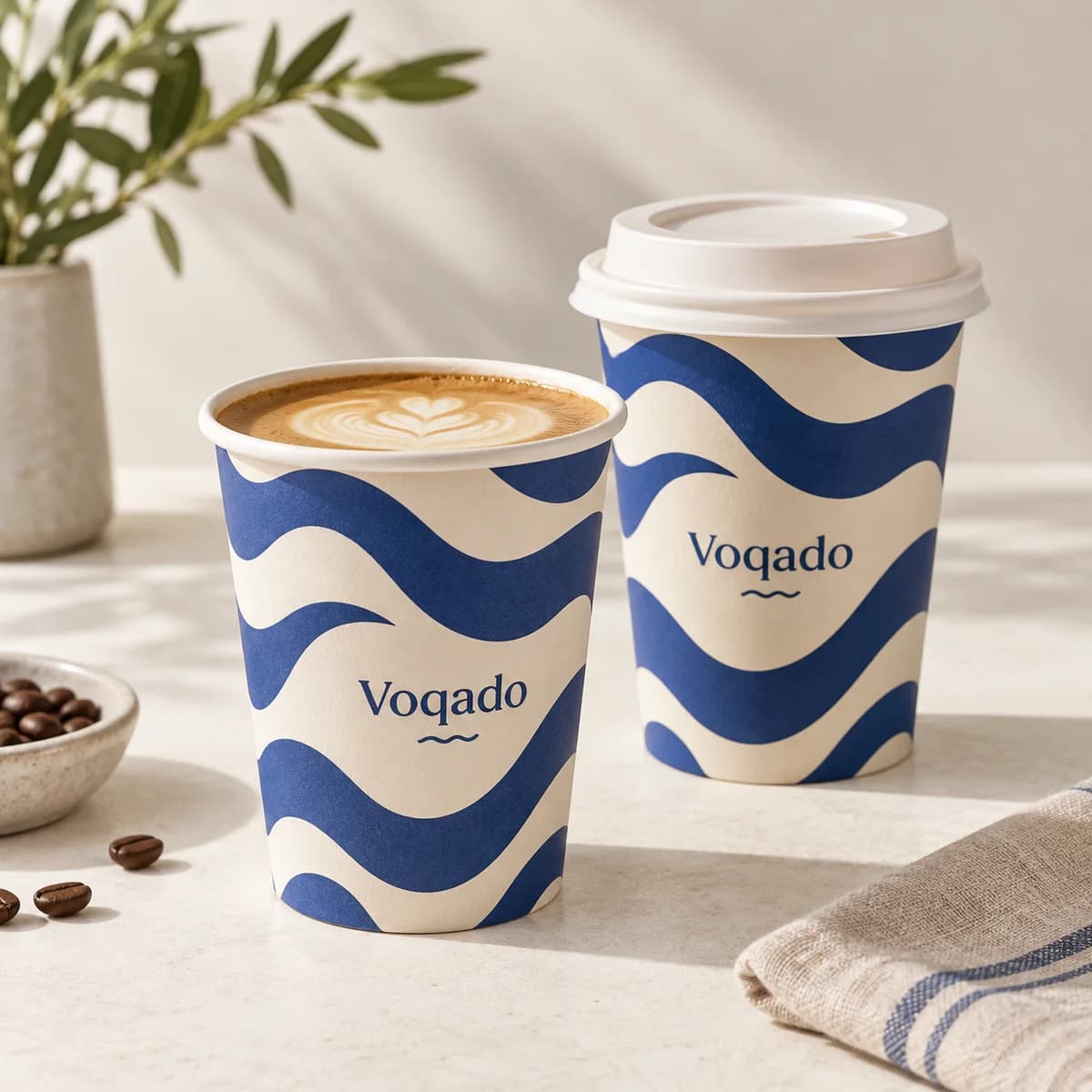
Two parts of 21 CFR matter most for drinkware. Part 175 covers coatings: section 175.300, resinous and polymeric coatings, is the umbrella regulation for coatings applied as a continuous film over a substrate, which is what lines a paper cup or the inside of an aluminum bottle. Part 177 subpart B covers the basic polymers used as single and repeated use food contact surfaces, which is where the plastics in a lid, a straw or a clear cup sit.
The practical consequence is that a vessel's food safety belongs to its inner surface, its lid and its seal. A logo on the outside is not in that conversation unless it migrates to where it should not be.
What BPA free does and does not tell you
BPA is one specific chemical, bisphenol A, used in some polycarbonate plastics and in some can linings. The FDA publishes a questions and answers page on its use in food contact applications, and notes that a resin code of 7 on a container indicates it may be a BPA containing plastic.
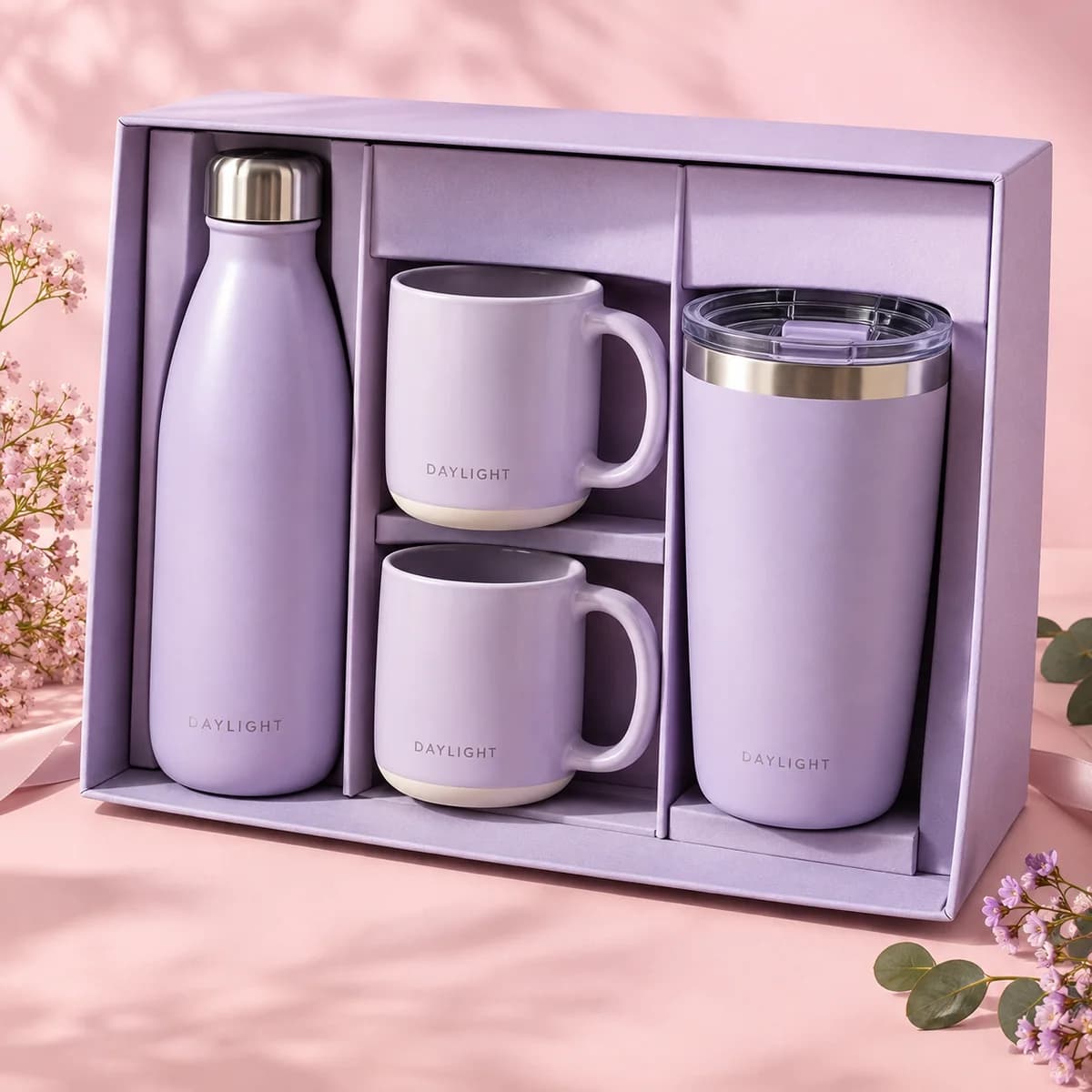
So BPA free is a narrow statement about one substance in one class of plastics. On an insulated steel vessel it refers to the plastic parts, which means the lid, the slider or the straw, because the steel body was never a candidate. Our 17 oz tumblers and our insulated gift sets both carry a BPA free note, and our clear PET cold cups are described as BPA free and nontoxic.
BPA free does not mean unbreakable, dishwasher safe, microwave safe or free of every other substance. It answers one question.
Lead and cadmium: the decoration question
This is where decoration and safety actually meet, and it concerns glazed and enameled surfaces rather than laser engraving.
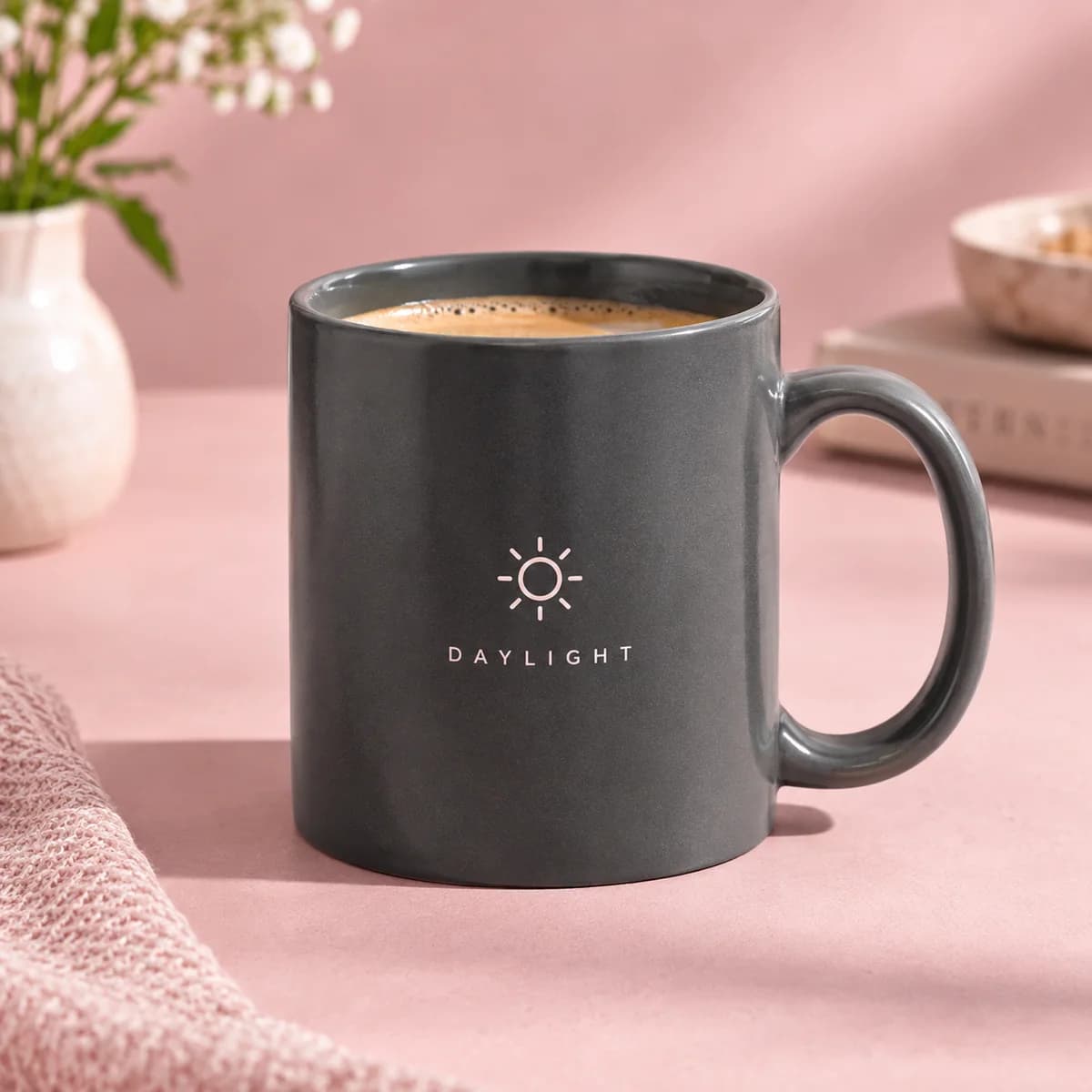
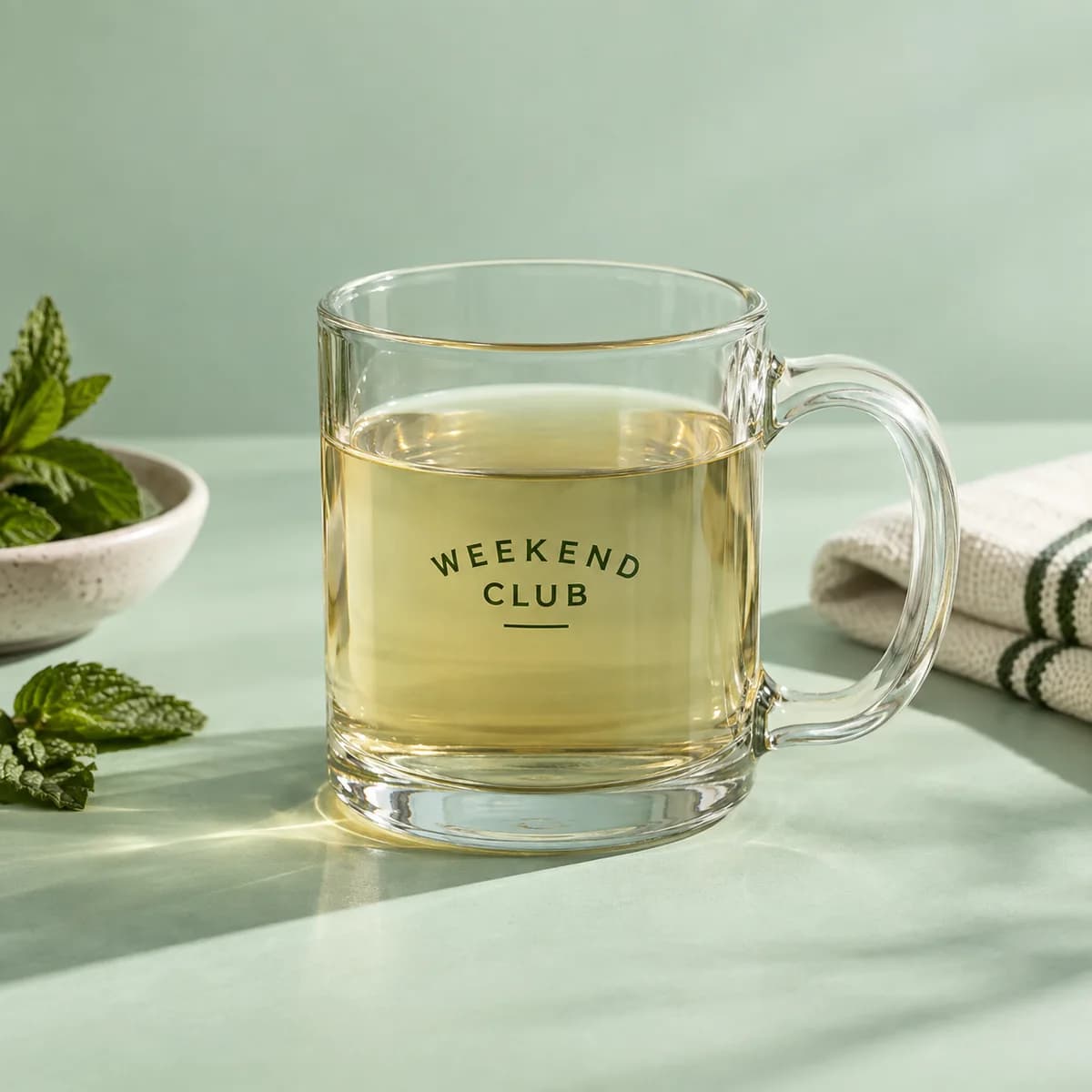
The FDA has long treated lead in ceramic foodware as a real risk and publishes guidance on lead in food and foodwares, a compliance policy guide on lead contamination in pottery, and separate guidance on labeling ceramicware intended only for ornamental or decorative use so it is not mistaken for tableware. ASTM maintains the matching test methods: C738 measures lead and cadmium extracted from glazed ceramic surfaces, and C927 measures the same metals specifically from the lip and rim area of glass tumblers that are externally decorated with ceramic glass enamels.
The existence of a dedicated lip and rim method is the whole lesson. Decoration on a drinking vessel belongs on the body, never on the edge a mouth meets. That is why a wrap in our range is a wrap of the barrel.
Proposition 65, in plain terms
If you sell into California you will meet Proposition 65. It requires warnings for exposures to chemicals on a state list of substances known to cause cancer or reproductive harm, and the Office of Environmental Health Hazard Assessment publishes and updates that list.
Proposition 65 is a warning law rather than a ban, so a warning on an item is not a finding that the item is unsafe, and the absence of a warning is not a certification. Treat it as a labeling obligation on whoever supplies the finished goods, and raise it with us before you order if your program distributes into California at volume.
Commercial settings raise the bar
If drinkware is used in a food business rather than given away, material standards start to matter. NSF publishes food equipment standards, and NSF/ANSI 51 sets minimum public health requirements for materials and finishes used in commercial foodservice equipment, requiring food zone materials to be substances regulated under 21 CFR.
A branded tumbler handed to a customer is not foodservice equipment. A cup reused behind a counter may be, and that is a question for your local health authority rather than for a print brief.
What we can and cannot tell you
We publish what each product's supplier states and nothing beyond it. That means capacity, material, BPA notes, food contact notes and care instructions appear on the product page, and where a product page is silent we do not fill the gap.
We are not a testing laboratory. We do not run extraction tests, we do not issue certificates of compliance, and we do not certify a decoration as dishwasher proof. If your program needs documented compliance for a specific market, ask us before you order so we can tell you what the supplier can actually provide.
The same honesty applies to the design side. A flat rectangle cannot show how artwork sits on a curved vessel, so the design canvas for drinkware is a visual concept with no trim, bleed or safe area, and the routes to a correct file are the vessel's template or your print ready artwork with placement confirmed by our team before production.
Food safety checklist for branded drinkware
- Separate two questions: the material touching the drink, and where the decoration sits.
- Read BPA free as a statement about plastic parts, not the whole vessel.
- Keep all decoration off the lip, rim and inner surface.
- Ask about Proposition 65 before a large California distribution.
- Check whether the vessel will be used in a food business, which raises the standard.
- Ask us what supplier documentation exists rather than assuming it does.
- Read the care line on the exact product, since it varies across our range.
Frequently asked questions
Is printed drinkware safe to drink from?
It is when the surfaces that contact the drink are authorized food contact materials and the decoration stays on the outside body. The FDA regulates food contact substances under 21 CFR, with coatings covered in part 175 and basic polymers in part 177. Keep artwork off the lip, the rim and the inside, and read the product page for what its supplier states.
What does BPA free mean on a tumbler?
That the plastic components do not contain bisphenol A. On an insulated steel vessel that means the lid, slider or straw, since the steel body was never a source. The FDA publishes a questions and answers page on BPA in food contact applications. BPA free says nothing about dishwasher use, microwave use or any other substance.
Do you need a Proposition 65 warning on promotional drinkware?
It depends on the product and the market, and it is a labeling obligation rather than a safety verdict. Proposition 65 requires warnings for exposures to chemicals on a California state list, which OEHHA publishes and updates. If your program distributes into California at volume, raise it with us before you order rather than after.
Can lead be in the decoration on a mug or a glass?
It is a recognized issue for glazes and ceramic enamels, which is why ASTM C738 measures lead and cadmium from glazed ceramic surfaces and ASTM C927 measures them specifically from the lip and rim of externally decorated glasses. The FDA also publishes guidance on lead in foodwares. The practical protection is to keep decoration off the drinking edge.
Sources & specification notes
The references below support the relevant technical or product details in this guide. Examples and checklists are not claims of practical testing or universal supplier requirements. Confirm the current specifications for your chosen product before production.
- U.S. Food and Drug Administration: Inventory of Food Contact Substances Listed in 21 CFR ↗
FDA inventory of substances authorized in 21 CFR for uses in contact with food, with the intended uses and conditions of use for each.
- eCFR: 21 CFR 175.300, Resinous and polymeric coatings ↗
The umbrella regulation for coatings applied as a continuous film over a substrate as a food contact surface, which covers cup and vessel linings.
- U.S. Food and Drug Administration: Lead in Food and Foodwares ↗
FDA guidance on lead in foodware including decorated ceramic and glass items, supporting the advice to keep decoration off drinking surfaces.
- OEHHA: The Proposition 65 List ↗
The official California list of chemicals requiring Proposition 65 warnings, published and updated by OEHHA.
- NSF: Food Equipment Standards ↗
NSF standards portfolio for food equipment materials, referenced for the requirement that food zone materials be regulated under 21 CFR.