Why the vessel decides, not the print
A microwave heats water molecules and reflects off metal. A dishwasher applies hot alkaline detergent and mechanical spray. Those two environments test different things.
Microwave suitability is a question of construction. Ceramic with no metallic content and no vacuum cavity heats evenly. A double wall vacuum insulated vessel has a sealed gap between two steel walls, which is both metal and a sealed void, so it does not belong in a microwave at all. That has nothing to do with whether it carries a logo.
Dishwasher suitability is a question of construction and of decoration. The body has to tolerate the cycle, and so does the mark. Both have to pass, so the stricter of the two becomes the published care line.
What our drinkware actually says
The care lines differ product by product, and the pattern is instructive.
| Product | Body | Stated care |
|---|---|---|
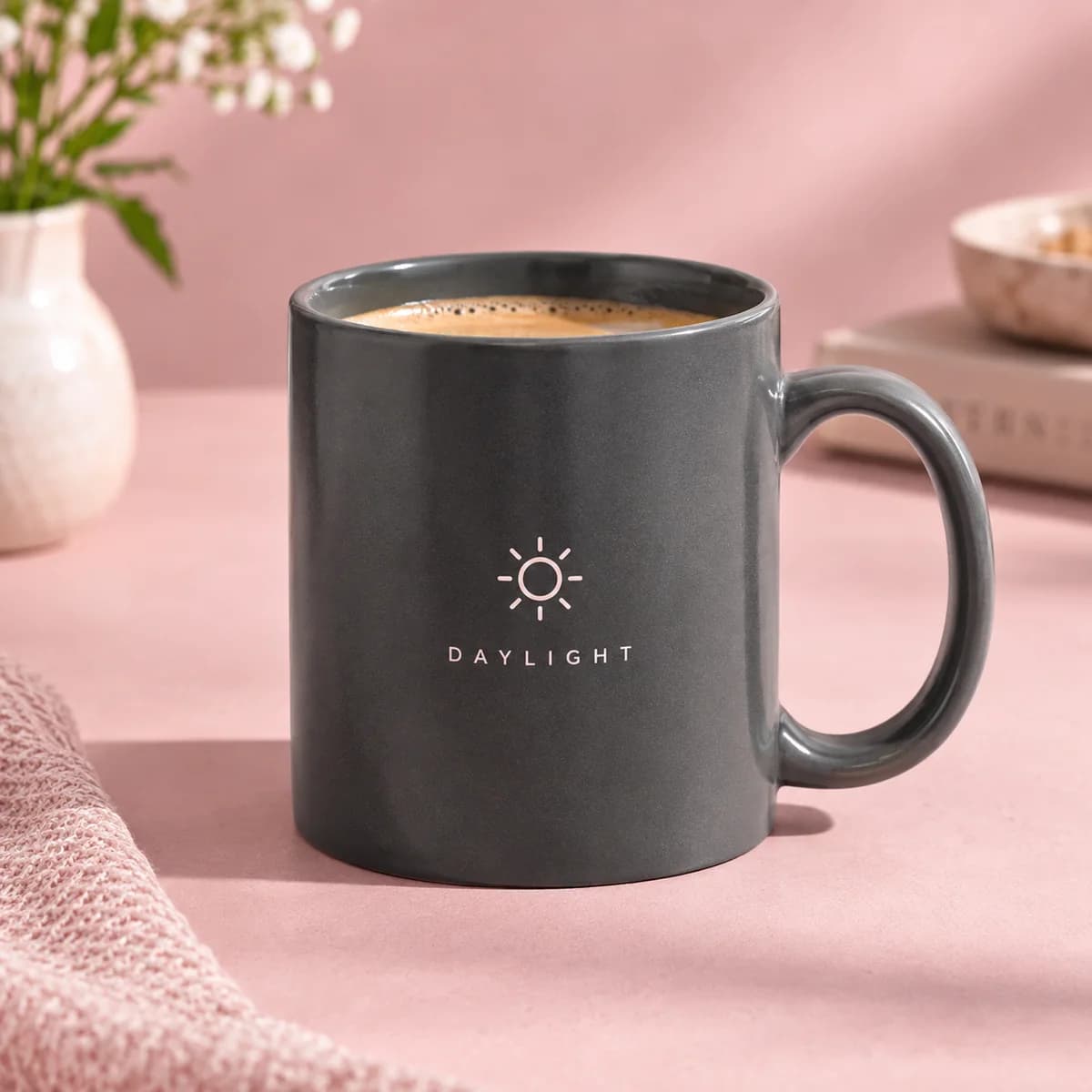
| Custom mugs, 11 oz | Ceramic | Dishwasher and microwave safe |
| Custom glassware, 15.25 oz | Etched glass | Dishwasher safe and easy to clean |
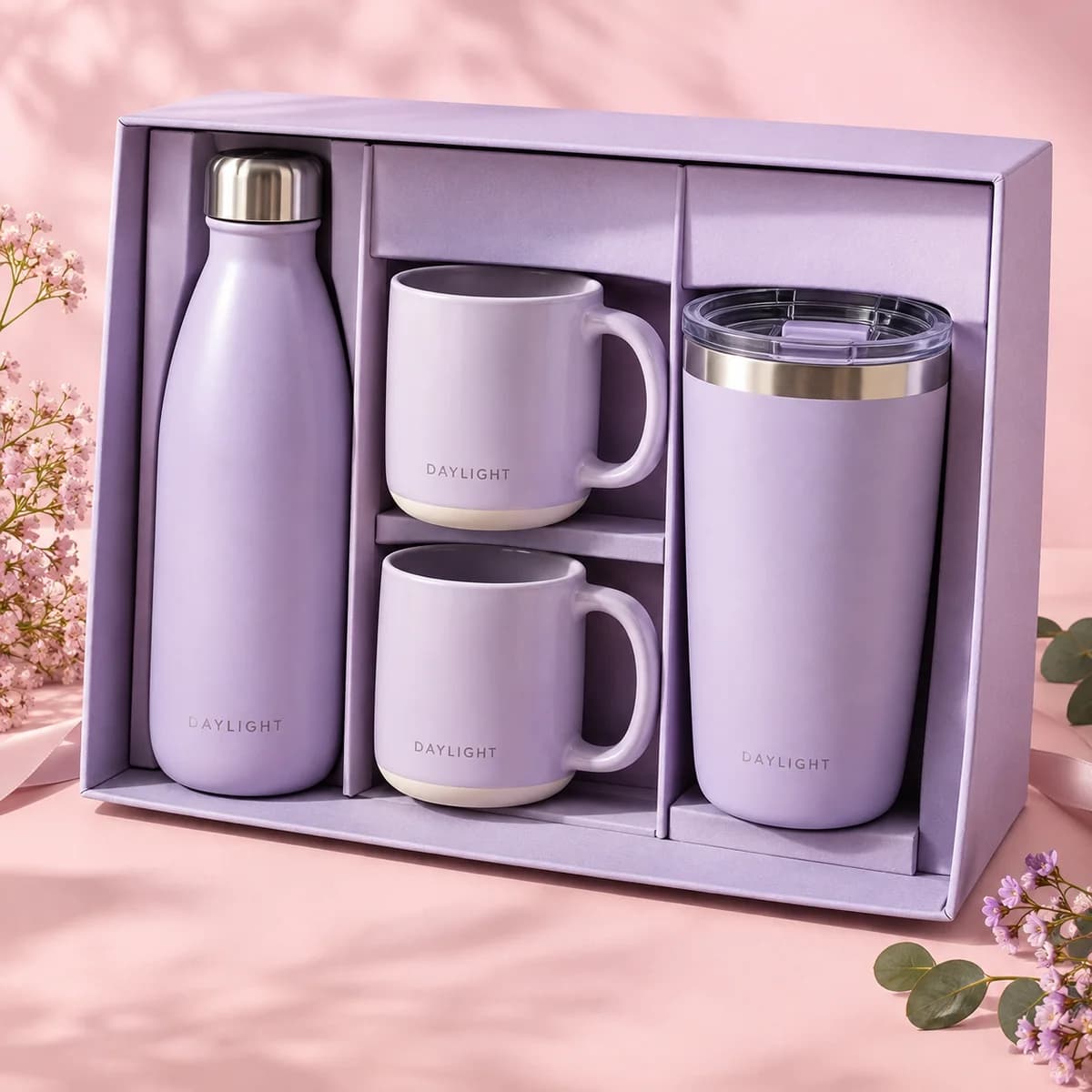
| Drinkware gift sets | Insulated stainless steel | Dishwasher safe, top rack recommended |
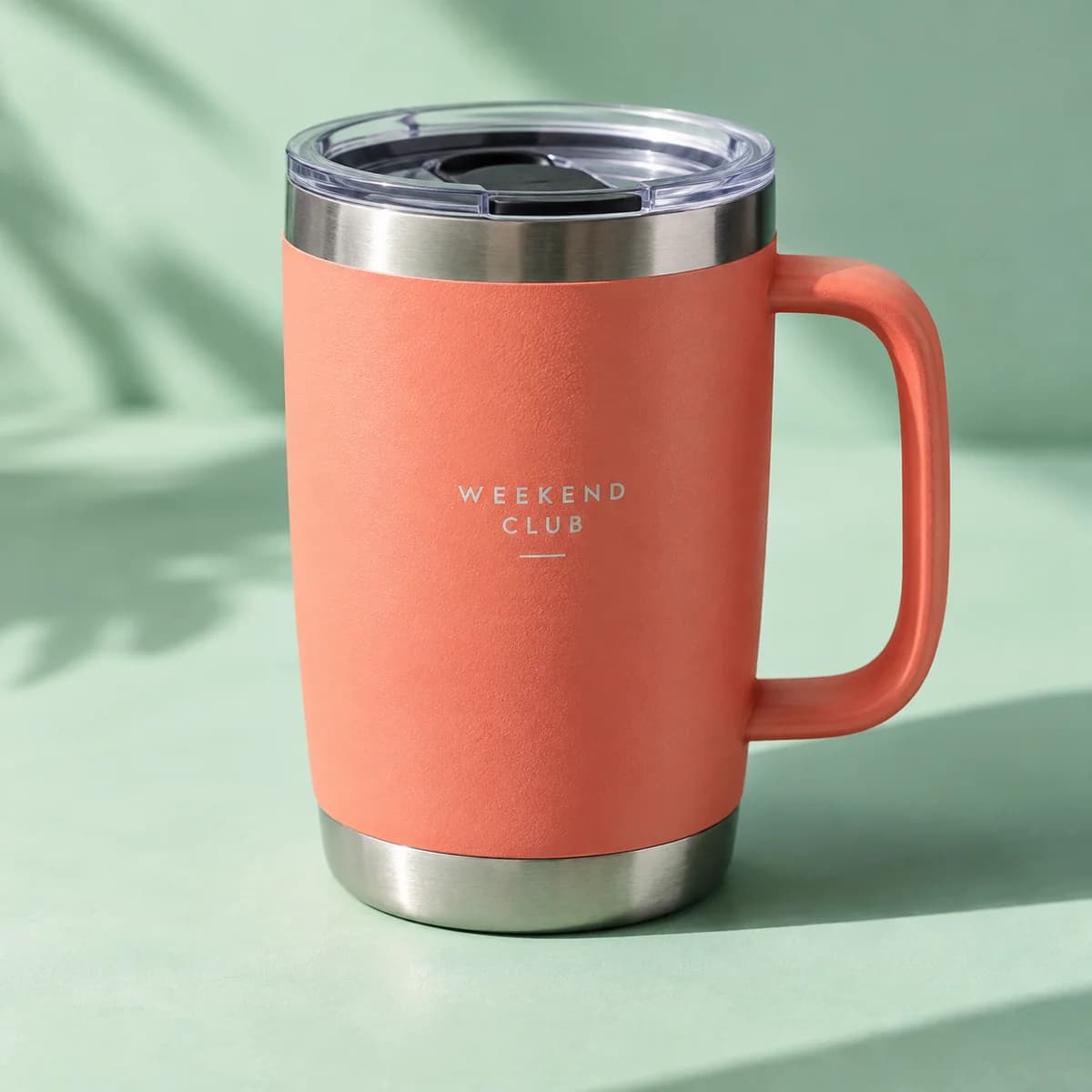
| Tumblers, 17 oz | Double wall vacuum insulated steel | Hand wash recommended |
| Water bottles, 26 oz | Single wall aluminum | Hand wash only |
Notice that the two most washable items are the two least technical: plain ceramic and plain glass. The vessels that keep a drink cold for ten hours are the ones asking you to wash by hand, because a vacuum seal and a coated aluminum interior are the parts that dislike repeated hot cycles.
The decoration side of the question
On ceramic, the decoration is what most people worry about, and there is a real basis for that. The industry measures detergent resistance of decorations separately from the body: ASTM C676 immerses a decorated glass specimen in a hot sodium pyrophosphate solution to estimate how the decoration will survive detergents in service. ASTM C927 then measures lead and cadmium extracted from the lip and rim of externally decorated drinking glasses, and uses accelerated detergent exposure as a preparatory step.
You are not going to run those tests on a set of staff mugs. The useful takeaway is that a decoration's washability is a property somebody has to establish, which is why we publish the care line that came with the product rather than a general reassurance.
Decoration and the drinking edge
The reason the lip and rim have their own test method is worth carrying into your design. Decoration on a drinking vessel belongs on the body, not on the surface a mouth touches, and the FDA publishes its own guidance on lead in foodwares that covers decorated ceramic items.
In practice this shapes layouts more than people expect. On a mug, a wrap is a wrap of the barrel. Artwork that climbs toward the rim also distorts, because the shoulder of a mug curves in two directions at once.
What you can and cannot lay out yourself
Our mug offers two sided or wraparound printing, and collage layouts of up to three photographs per side. What it does not offer is a measured rectangle to design inside.
We hold no imprint sheet for this mug. The size recorded against it in the catalog is a layout default, and its written dimensions describe the object rather than a printable area, so the design canvas draws no trim, bleed or safe area for it. A flat rectangle on screen cannot show how your artwork sits on a curved, handled vessel, and we would rather say that than draw a boundary we cannot stand behind.
The two honest routes are unchanged. Ask us for the mug template and lay the artwork out on it, or send print ready artwork at the largest size you want it, and our team sets the placement with you before production.
Microwave, in practical terms
Ceramic mugs go in. Nothing else in our drinkware range should. Insulated steel is out because of the metal and the sealed vacuum cavity. Aluminum bottles are out. Glassware is dishwasher safe but has no microwave claim, so treat it as hand warming only.
If a team needs mugs that reheat coffee at a desk, that requirement alone selects ceramic and rules out the insulated range, regardless of how much better the insulated range looks in a gift box.
Making a branded mug last
- Choose ceramic if reheating matters, because insulated steel cannot be microwaved.
- Read the care line on the exact model rather than generalizing across drinkware.
- Where a dishwasher is allowed, use the top rack and skip heated drying.
- Keep decoration on the barrel and well away from the rim.
- Avoid abrasive pads and scouring powder on any printed surface.
- Order one mug and put it through a week of real washing before ordering the run.
Care checklist before you order
- Decide whether microwave use is a requirement, since it narrows the choice to ceramic.
- Match the care line to how the mug will really be cleaned at your site.
- Keep artwork off the rim and plan for the shoulder curve.
- Ask for the mug template rather than designing to the canvas rectangle.
- Buy a single unit first and wash it hard.
- Order matching coasters only after the mug itself is confirmed.
Frequently asked questions
Are printed mugs dishwasher safe?
Our 11 oz ceramic mug is listed as dishwasher and microwave safe. Dishwasher suitability depends on both the body and the decoration, so the published care line reflects whichever is stricter. Use the top rack, avoid heated drying and keep abrasive pads away from the printed area to get the longest life.
Can you microwave an insulated tumbler?
No. A double wall vacuum insulated tumbler is metal with a sealed void between the walls, and neither belongs in a microwave. If reheating is part of how the mug will be used, that requirement selects ceramic and rules out the insulated range, whatever the decoration.
Why is a tumbler hand wash but a mug dishwasher safe?
Because the construction differs. Plain ceramic tolerates repeated hot alkaline cycles easily. A vacuum insulated vessel has a sealed cavity and a lid assembly with seals, and our tumblers are listed as hand wash recommended while aluminum bottles are hand wash only. The mark is rarely the limiting factor there.
Will a photo mug fade over time?
Decoration fades mainly through detergent chemistry and abrasion rather than water. The industry measures this as detergent resistance, which is why care lines are published per product rather than per method. Wash on the top rack, skip heated drying, and expect a mug scrubbed daily with an abrasive pad to age much faster than one washed gently.
Sources & specification notes
The references below support the relevant technical or product details in this guide. Examples and checklists are not claims of practical testing or universal supplier requirements. Confirm the current specifications for your chosen product before production.
- ASTM C676: Standard Test Method for Detergent Resistance of Ceramic Decorations on Glass Tableware ↗
Establishes detergent resistance of a decoration as a separately measured property, supporting the distinction between body durability and decoration durability.
- U.S. Food and Drug Administration: Lead in Food and Foodwares ↗
FDA guidance covering decorated ceramic foodware, used here to support keeping decoration away from the lip and food contact surfaces.