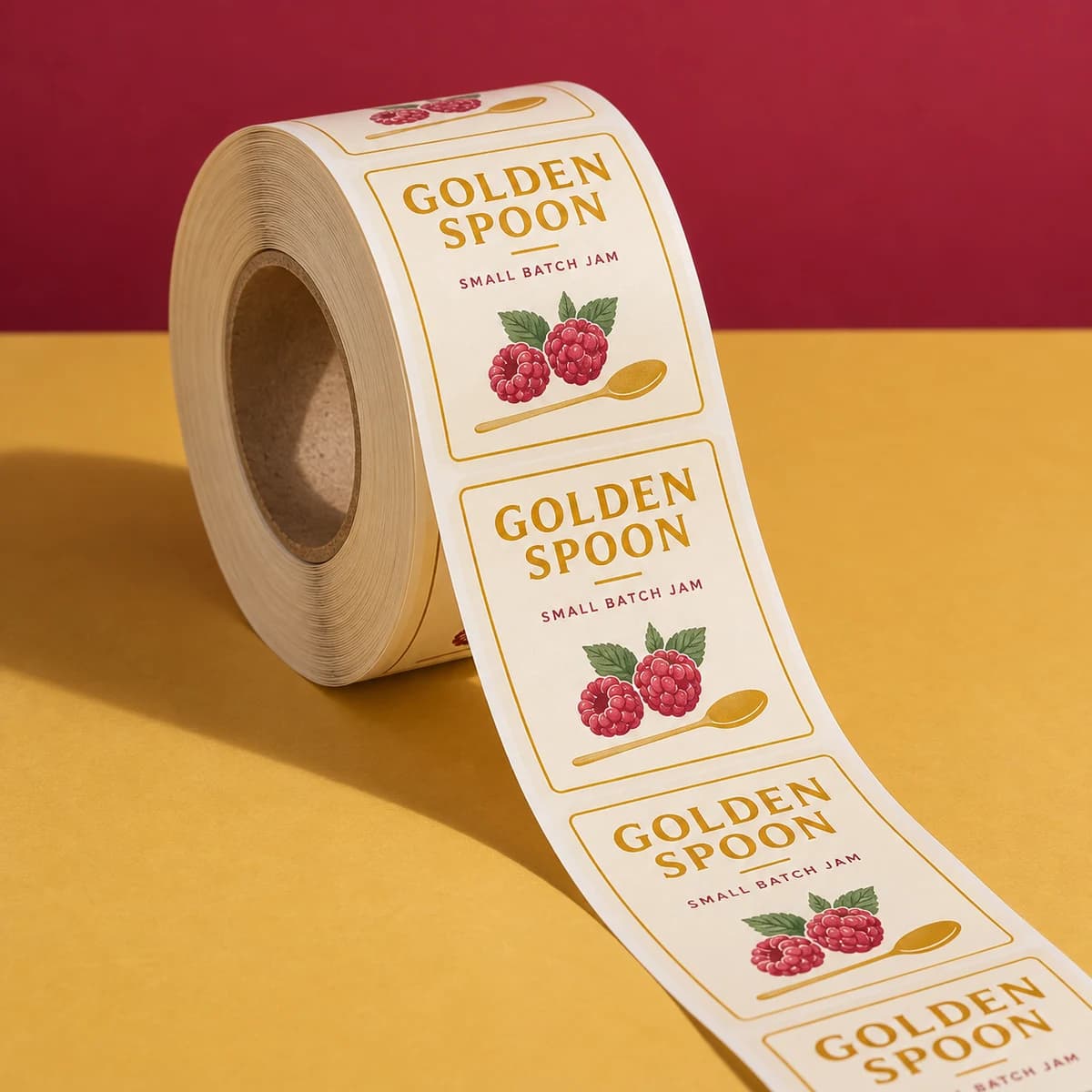
Roll labels
From $99.991,000 items
Labels on a roll, ready when you are. The workhorse format for packaging lines that never stop.
Choose options Start without artwork · Tax and delivery shown before payment.Explore roll labels, branded coasters, custom glassware, and taproom t shirts for breweries, distilleries, and cideries.
A brewery prints for two very different rooms. On a shelf the label has a second to be read at arm's length through a cooler door. In the taproom the same brand has a whole evening on a table, a glass and somebody's chest. The shelf side is the one with federal rules attached, and those rules set type sizes before a designer sets anything.
Labels on a roll, ready when you are. The workhorse format for packaging lines that never stop.
Choose options Start without artwork · Tax and delivery shown before payment.A continuous roll for repeated application with a specification check on size, material and container, which is what a cold filled bottle needs.
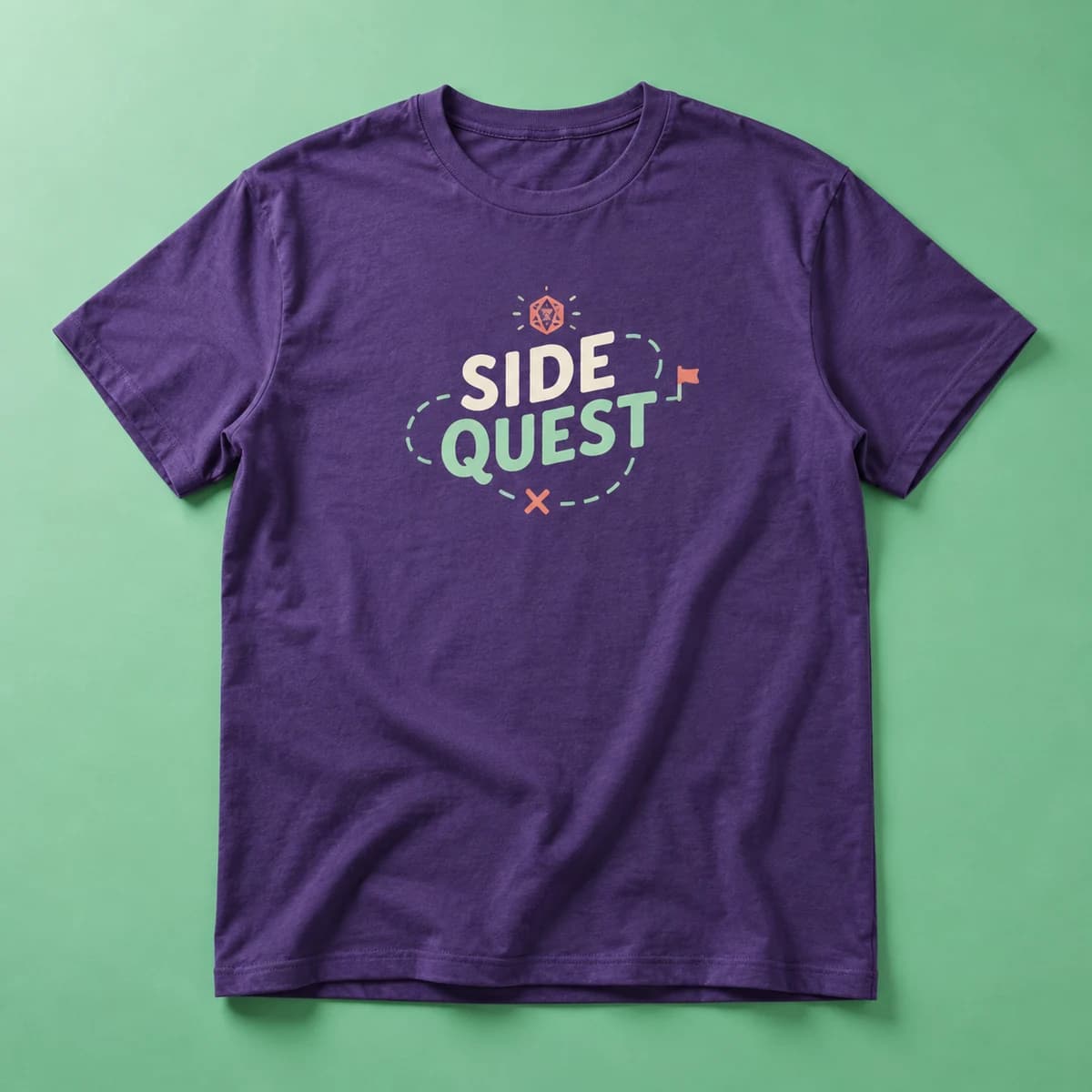
Soft cotton tees that turn your idea into something people actually want to wear. Your design, printed to last.
Choose options Start without artwork · Tax and delivery shown before payment.Direct to garment when a label illustration goes on the shirt whole, or single color screen printing when you reduce it to one taproom mark.
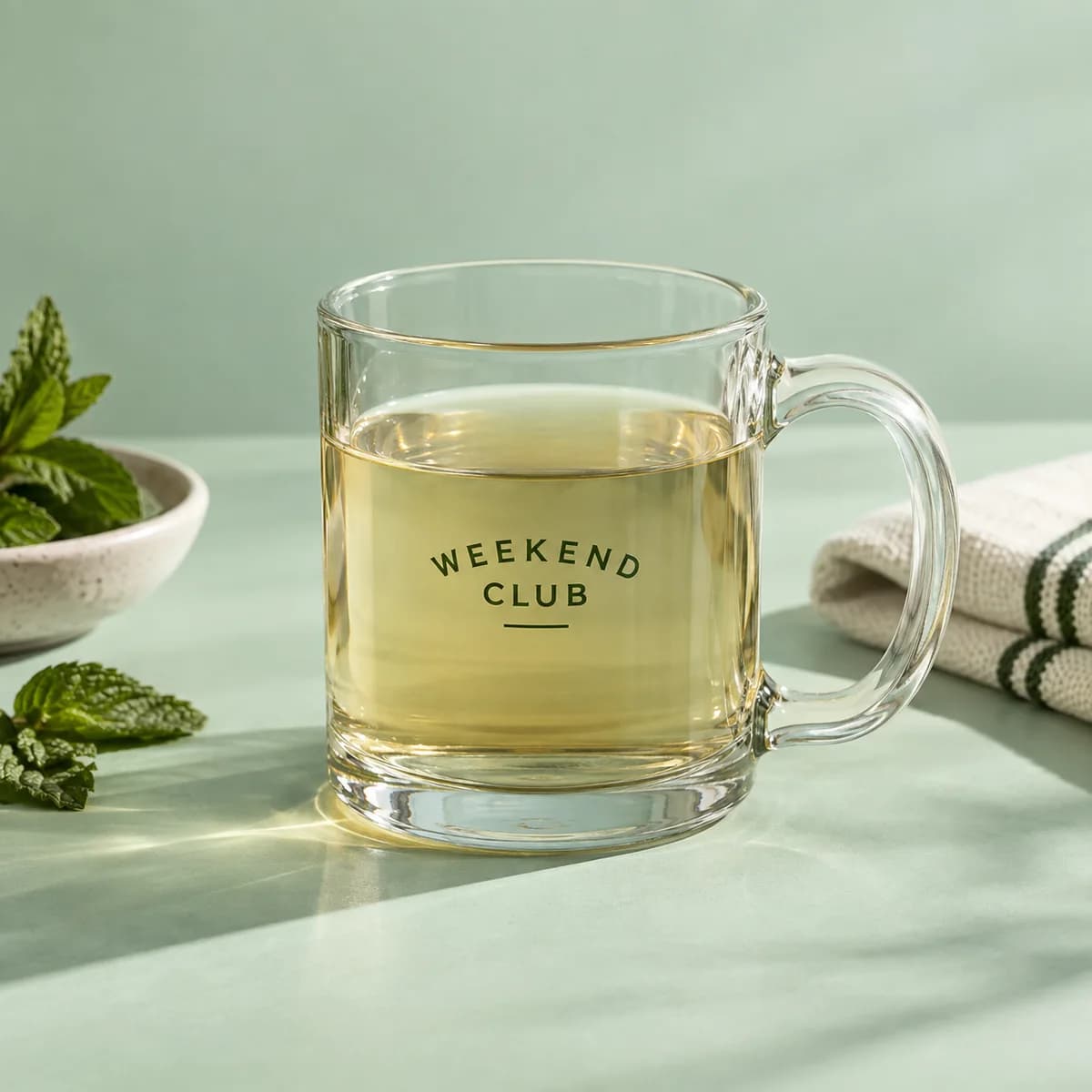
Stemless wine glasses with a laser etched design that never washes off. Chic, giftable, and dishwasher safe.
Choose options Start without artwork · Tax and delivery shown before payment.A 15.25 oz stemless glass laser etched in frosted or charcoal, so the mark survives a commercial dishwasher instead of washing off.
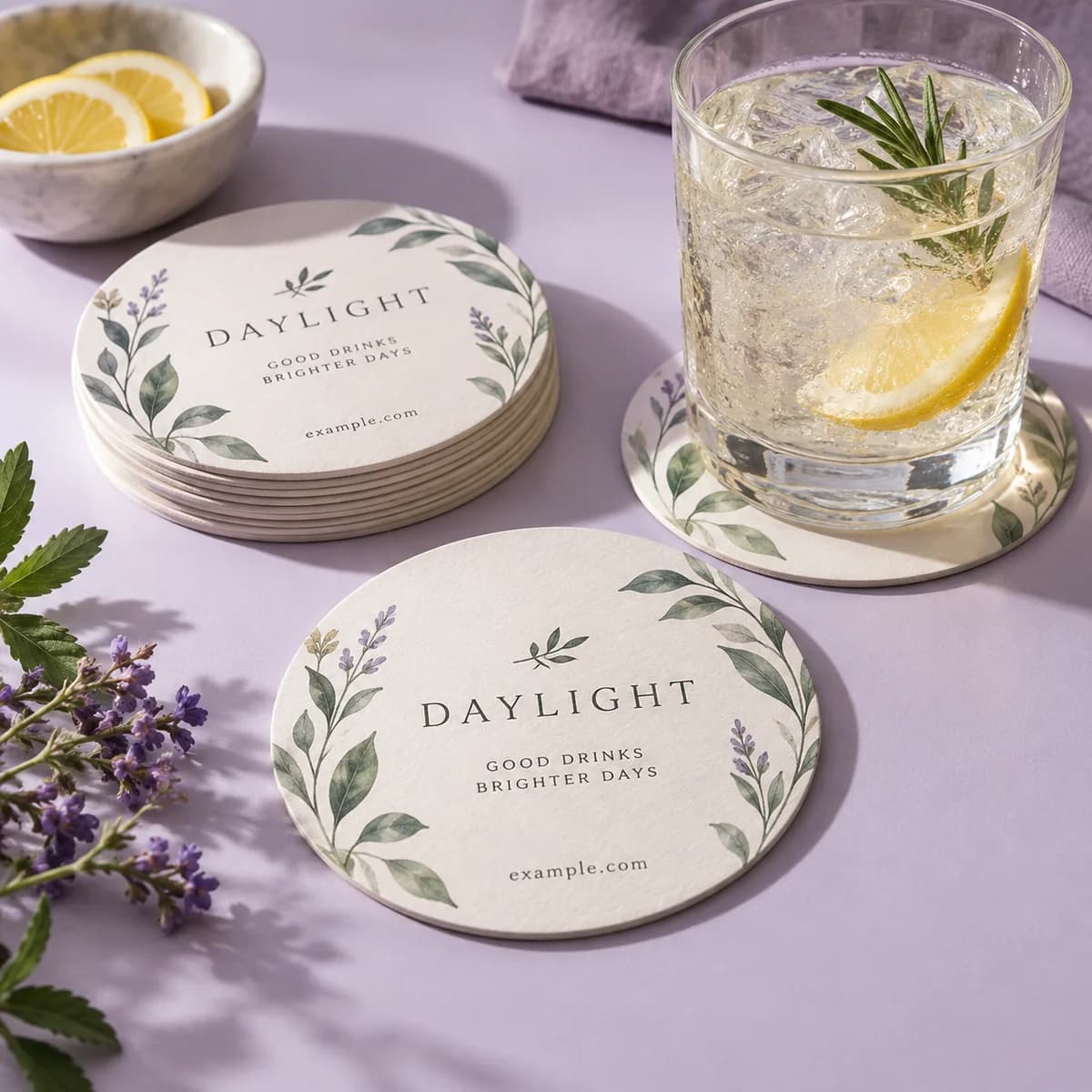
A tiny billboard for every drink. Sturdy custom coasters with your logo, monogram, or message: made for toasts.
Choose options Start without artwork · Tax and delivery shown before payment.56 pt matte board that takes a wet glass all evening, in runs from 20, so a one night collaboration pour can have its own coaster.
The health warning in 27 CFR 16.21 is fixed text, and 27 CFR 16.22 governs how it prints. Minimum type is 1 millimeter on containers of 237 milliliters or less, 2 millimeters up to 3 liters and 3 millimeters above that, with limits on how many characters can be squeezed into an inch at each size. GOVERNMENT WARNING appears in capitals and bold, the rest of the statement must not be bold, and it has to sit on a contrasting background and be readily legible under ordinary conditions. Set it at the start of the label layout, at the real size, in the real position. Designers who leave it until last end up shrinking it below the floor and re running the artwork.
Under 27 CFR 7.21 a brewer or wholesaler bottling malt beverages must hold a certificate of label approval from TTB before bottling, and the parallel requirement for distilled spirits sits in part 5. Malt beverages that will not be shipped or delivered for sale in interstate or foreign commerce are not required to hold a COLA, which is why a taproom only release and a distributed release can follow different paths. Practically this changes the print schedule: the approved label file is the file you print, so build your label proofing and your approval into the same calendar, and treat any artwork change as a question for your compliance contact before it becomes a reprint.
Labels that look perfect dry lift at the edges in an ice bucket, in a cooler and in the condensation that forms the moment a bottle leaves cold storage. The facestock and the adhesive both have to be chosen for that, which is a conversation rather than a dropdown, and it is why roll orders get a specification check before anything is made. A continuous roll is also the format for repeated application: it feeds a dispenser or an applicator and keeps placement consistent across a run in a way sheets cannot. When you order, state the label dimensions, the container material, whether the surface is curved and whether the container is filled cold, because those four facts decide the specification.
Once somebody is sitting down, the label is out of the conversation and the table takes over. A coaster is a small printed surface that stays in front of a drinker for a whole evening, and at 4 by 4 inches on 56 pt board it is a place for a mark and a line, not for a photograph or a paragraph. Etched glassware carries the mark through a commercial dishwasher without fading, at the cost of being one color and unsuited to photographic artwork. Shirts are sold in the taproom rather than handed out, so price and stock them like merchandise and buy deep in the middle sizes. Do not carry the container warning statement onto merchandise. It belongs on the container the law puts it on.
Your label competes on a crowded shelf at arm’s length, then sits on a table all evening. Make the name readable from a distance and save the detail for the person holding it. Labels on chilled or wet bottles need the right adhesive and facestock, and beverage labeling carries regulatory requirements, so confirm both before printing a production run.
Build your brand kit →A 12 ounce container is more than 237 milliliters, so 27 CFR 16.22 puts the floor at 2 millimeter type, with a limit on how many characters may be packed into an inch at that size. GOVERNMENT WARNING must be in bold capitals, the rest of the statement must not be bold, and the whole thing has to sit on a contrasting background and stay readily legible. Lay the statement in at that size first, because it will not shrink to fit a design decision made later.
27 CFR 7.21 requires a certificate of label approval before bottling malt beverages, but states that persons bottling malt beverages which will not be shipped or delivered for sale or shipment in interstate or foreign commerce are not required to obtain one. State rules still apply and they vary, so a taproom only release is a question for your state authority and your compliance contact rather than an assumption. Anything that might later go to a distributor should be treated as needing approval from the start.
Because the material was chosen for a dry container. Condensation forms as soon as a cold filled bottle meets warm air, water works under the edge, and a curved surface adds tension that helps it lift. The fix is the specification rather than the artwork: ask for a facestock and adhesive rated for cold wet application on your container material. Roll orders get a specification check covering size, material, quantity and where the labels will live, so give the printer the diameter and the fill temperature there, then chill test a sample overnight before ordering a production quantity.
Only if the printing method can carry it. Direct to garment prints unlimited colors with a softer hand and supports a back print, which is what a detailed label illustration needs. Single color screen printing has a slightly raised feel and is the value choice when you reduce the artwork to one mark, which is usually the better shirt anyway, because a drinker who already bought the beer does not want the packaging on their chest. Keep the government warning statement off the garment entirely.
Stickers & labels · 7 MIN READ
Design product labels that sell and comply: measure the container, build a two second hierarchy, plan required information, and set up files that print well.
Read the guide
Stickers & labels · 6 MIN READ
Roll labels vs sheet labels explained: how each is applied, the volume where rolls start saving time, the roll specs you must know, and a staged plan to grow.
Read the guide
Small business print · 6 MIN READ
Compare DTG and screen printing on setup, color count, feel, durability and order size, then use a simple rule to pick the right method for your shirts.
Read the guide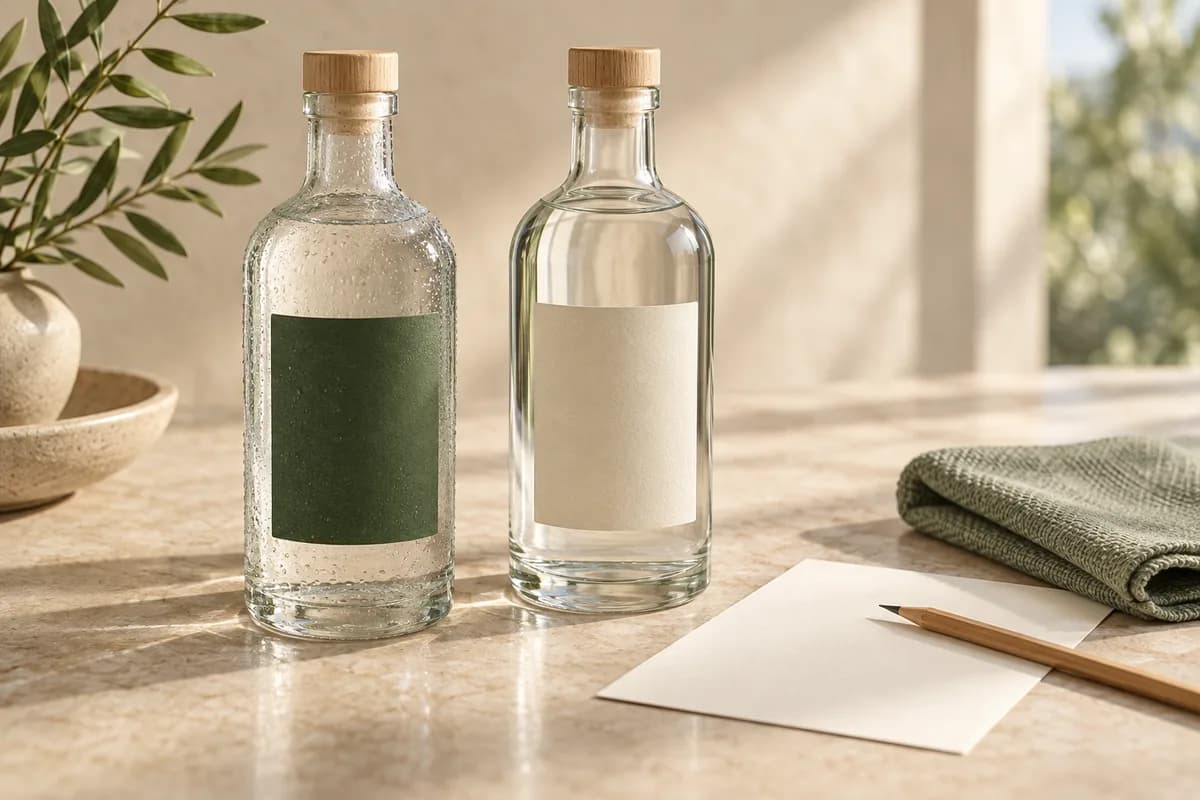
Paper sizes, folds & label formats · 6 MIN READ
Water resistant labels handle splashes, waterproof labels handle submersion. Define the exposure, pick a material and test the printed label first.
Read the guide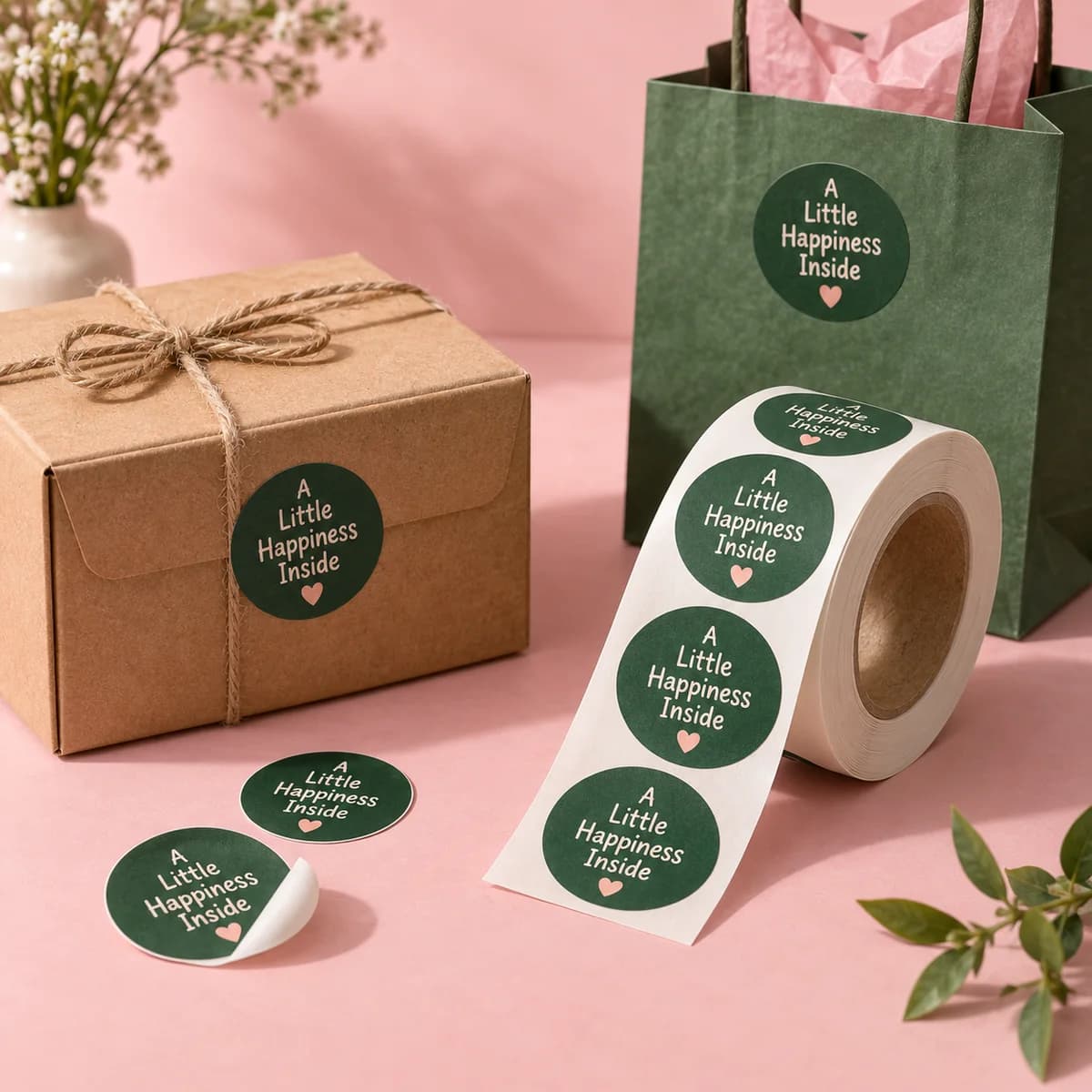
Stickers & labels · 7 MIN READ
What to put on a product label: product name, net quantity, business name and address, plus ingredients and allergens for food. Checklist by product type.
Read the guideHelp us improve Voqado with analytics? Details