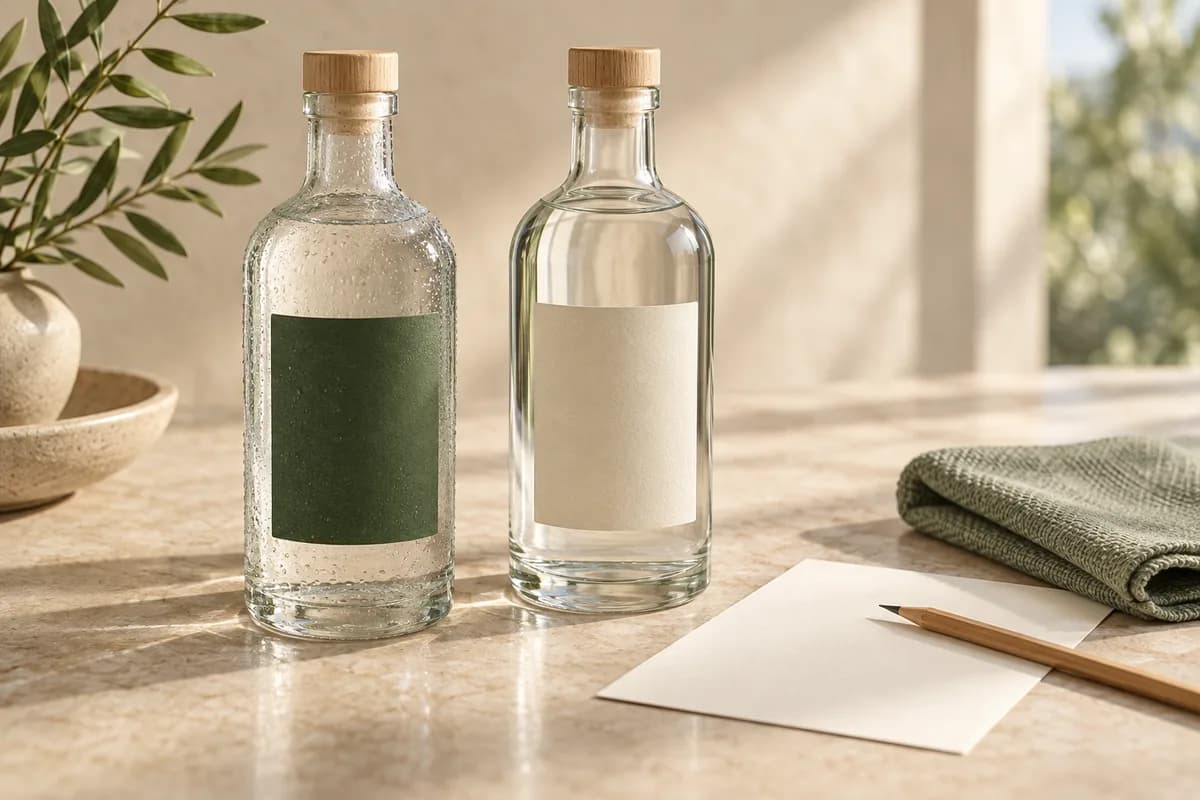
What is the difference between water resistant and waterproof labels?
The two words describe different levels of exposure, not different marketing tiers. Avery defines a water resistant label as one that can take some splashing or spraying without smearing but cannot be submerged, and a waterproof label as one that can be submerged without smearing. A bottle wiped with a damp cloth needs the first. A can sitting in an ice bath for an afternoon needs the second.
A common mistake is ordering by the word rather than by the conditions. A label described as water resistant may be exactly right for a dry goods pouch that could catch a spill, and completely wrong for a chilled drink. Define the exposure first and the material choice becomes much narrower.
Why does the printing method change water performance?
A label is a construction, not a single material. It has a face stock, an ink or toner layer, sometimes a coating or laminate, and an adhesive. Each layer reacts to water differently. Avery gives a clear example with its own durable white film: printed with pigment inkjet or laser it is described as waterproof, while printed with standard dye inkjet it is only water resistant.
That example is specific to one supplier and one material, but the lesson is general. Ask your printer to name the face material, the print process and any protective finish for the exact job you are quoting. A glossy surface or the word "film" on a spec sheet does not tell you how the finished, printed label behaves when wet.
How do you define the exposure a label will face?
Write a short exposure brief before you request samples. It takes a few minutes and makes every sample test comparable. Describe the container, how the label goes on and every condition it meets until the customer throws it away.
- Container: glass, plastic, metal, kraft or coated board, and whether the surface is curved.
- Application: by hand or by machine, and whether the surface is clean, dry and at room temperature when labeled.
- Storage: dry shelf, refrigerator, freezer or outdoor display, and for how long.
- Contact: splashes, condensation, ice water, oil, alcohol or cleaning products.
- Handling: wet hands, repeated wiping, stacking or rubbing in shipping cartons.
- Required outcome: which text must stay readable and whether the label must stay fully attached.
Keep the brief with the artwork version and the sample identification so you can compare results later.
Which label material fits each exposure?
Use the table as a starting direction for a conversation with your printer, not as a guarantee. The final answer depends on the full printed construction and your real container.
| Exposure | Typical product | Starting direction | Confirm before ordering |
|---|---|---|---|
| Dry indoor | Shipping boxes, dry goods | White paper | Clean, smooth surface |
| Occasional splash | Candles, soap boxes | Coated paper or film | Ink method and smear behavior |
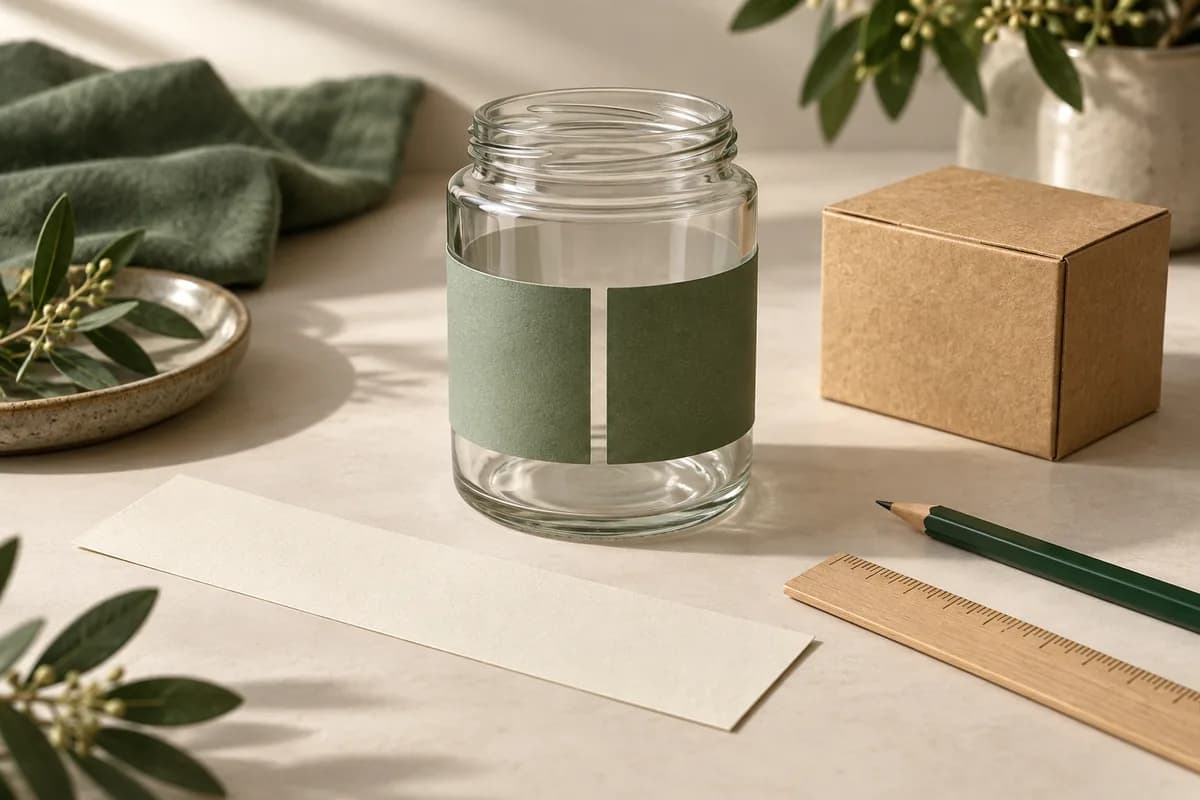
| Condensation | Chilled bottles and jars | Clear or white plastic film | Adhesion on a cold, damp surface |
| Oil contact | Sauces, body oils, cosmetics | Oil and water resistant plastic | Oil exposure on a real sample |
| Submersion | Drinks in ice buckets | Material described as waterproof | Written submersion claim |
| Freezer | Frozen meals, ice packs | Film with a cold rated adhesive | Application temperature limits |
Our product label sheets come in white paper, clear plastic and gold or silver foil paper, and the clear plastic is described as oil and water resistant. Paper suits dry indoor packaging. Anything facing moisture, oil or refrigeration should start from plastic.
Does the adhesive matter as much as the face material?
Often it matters more. A perfectly waterproof face on the wrong adhesive will lift at the corners the first time condensation forms under it. Adhesives are formulated for particular surfaces and temperatures, and many need a clean, dry surface at application even if they later tolerate cold and wet conditions.
This is a common reason labels lift on bottles that go straight from a cooler to the labeling table. Label containers at room temperature, let the adhesive set, then chill them. If your process forces you to label cold or damp containers, say so in the brief so the printer can suggest a construction built for it.
How should you test a label before a full run?
Test the printed label on the real container under the real conditions, then record what happened. A flat sample on a desk proves very little.
Apply several labels by the same method your team will use. Put some in the refrigerator or ice bath for the longest period in your brief, wipe others with the cleaning cloth your staff actually use, and handle a few with wet hands. Check for smearing, edge lift, clouding under clear film and wrinkles on curves. Photograph each result next to the sample identification. If a test fails, change one layer at a time so you learn which part of the construction caused it.
What information must stay readable on a wet label?
For food, the answer is partly regulatory. Under 21 CFR 101.15, required label information can lack the prominence and conspicuousness the law requires because of small or stylized type, insufficient background contrast, obscuring designs or crowding. A label that smears, clouds or peels in normal use can create the same problem in practice.
Decide which lines are essential, such as product name, net quantity, ingredients, allergens and your business name, and make sure they are the lines protected by the material, the placement and the contrast. Keep them away from seams and the areas people grip. Our guide on what to put on a product label lists the typical fields by product type, and the article comparing vinyl and paper stickers explains how the face stock affects durability.
Should wet products use roll labels or sheet labels?
The format follows your volume and application method rather than the water question. Product label sheets repeat one design on an 8.5 x 11 inch sheet and suit small batches applied by hand, with a matte paper option that is easy to write batch numbers on. Packaging labels use the same material lineup for boxes, bags and mailers. Rolls suit higher volumes and dispensers, and roll orders are specified per job, including where the labels will live.
If you are deciding between the two formats, read roll labels vs sheet labels for the tradeoffs. Whichever format you choose, send the exposure brief with your artwork so the material is chosen for the conditions, not for the name on the spec sheet.
Frequently asked questions
Are water resistant labels the same as waterproof labels?
No. Water resistant labels are meant to tolerate splashes and spraying without smearing but are not designed to be submerged. Waterproof labels are meant to survive submersion. Choose by the exposure your product faces: a bottle wiped with a damp cloth has very different needs from a can left in an ice bucket for several hours.
Are paper labels ever water resistant?
Plain paper absorbs water, so it suits dry indoor packaging such as shipping boxes and dry goods. Coatings and laminates can improve splash tolerance, but for condensation, oil or refrigeration most printers start from a plastic film. Clear plastic sheet labels are described as oil and water resistant, which makes them the usual starting point for chilled or oily products.
Why do my labels peel off cold bottles?
A frequent cause is applying labels to a cold or damp surface. Many adhesives need a clean, dry surface at room temperature to bond, even if they later tolerate refrigeration. Label containers before chilling them, let the adhesive set, and tell your printer if your process requires labeling cold containers so they can suggest a suitable construction.
How do I test labels before ordering a full run?
Apply printed samples to your real containers using the same method your team will use. Then reproduce the conditions in your exposure brief: refrigeration, ice water, oil, wiping and wet hands, for the longest expected period. Check for smearing, edge lift, clouding and wrinkles, photograph the results and keep them with the sample and artwork version.
Sources & specification notes
The references below support the relevant technical or product details in this guide. Examples and checklists are not claims of practical testing or universal supplier requirements. Confirm the current specifications for your chosen product before production.
- Avery: water resistant and waterproof label materials ↗
Defines water resistant versus waterproof and shows that printer ink type changes the water performance of the same film. Supplier specific; not a claim about any other product.
- 21 CFR 101.15: food labeling, prominence of required statements (Cornell LII) ↗
Lists type size, contrast, obscuring designs and crowding as reasons required food label information can lack prominence.