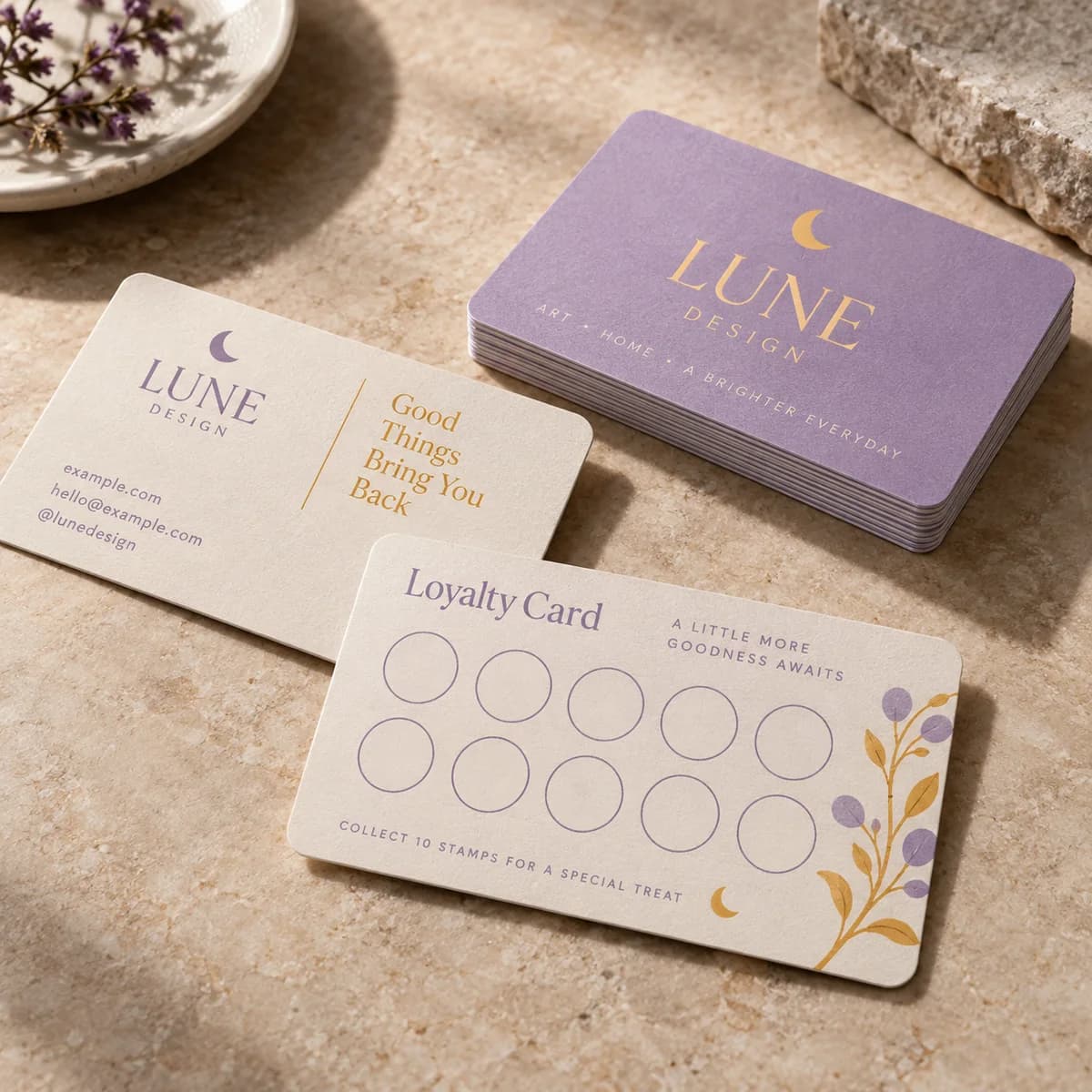
Loyalty cards
From $15.99100 items
Give regulars a little reason to return. A loyalty card turns one visit into a habit.
Choose options Start without artwork · Tax and delivery shown before payment.Explore restaurant menu printing, loyalty cards, branded paper cups, and coffee sleeves for cafés, restaurants, bakeries, and food service teams.
A guest meets your brand three times in one visit: reading the menu, paying, and carrying the drink out the door. Each of those moments has a different printing problem. The menu gets wet and gets reprinted whenever a price moves, the loyalty card has to take a stamp, and the cup has to hold hot liquid without the print failing. Specify for the moment, not the mood board.
Give regulars a little reason to return. A loyalty card turns one visit into a habit.
Choose options Start without artwork · Tax and delivery shown before payment.A stamp friendly card, so a regular is marked and gone in the time it takes the shot to pull.
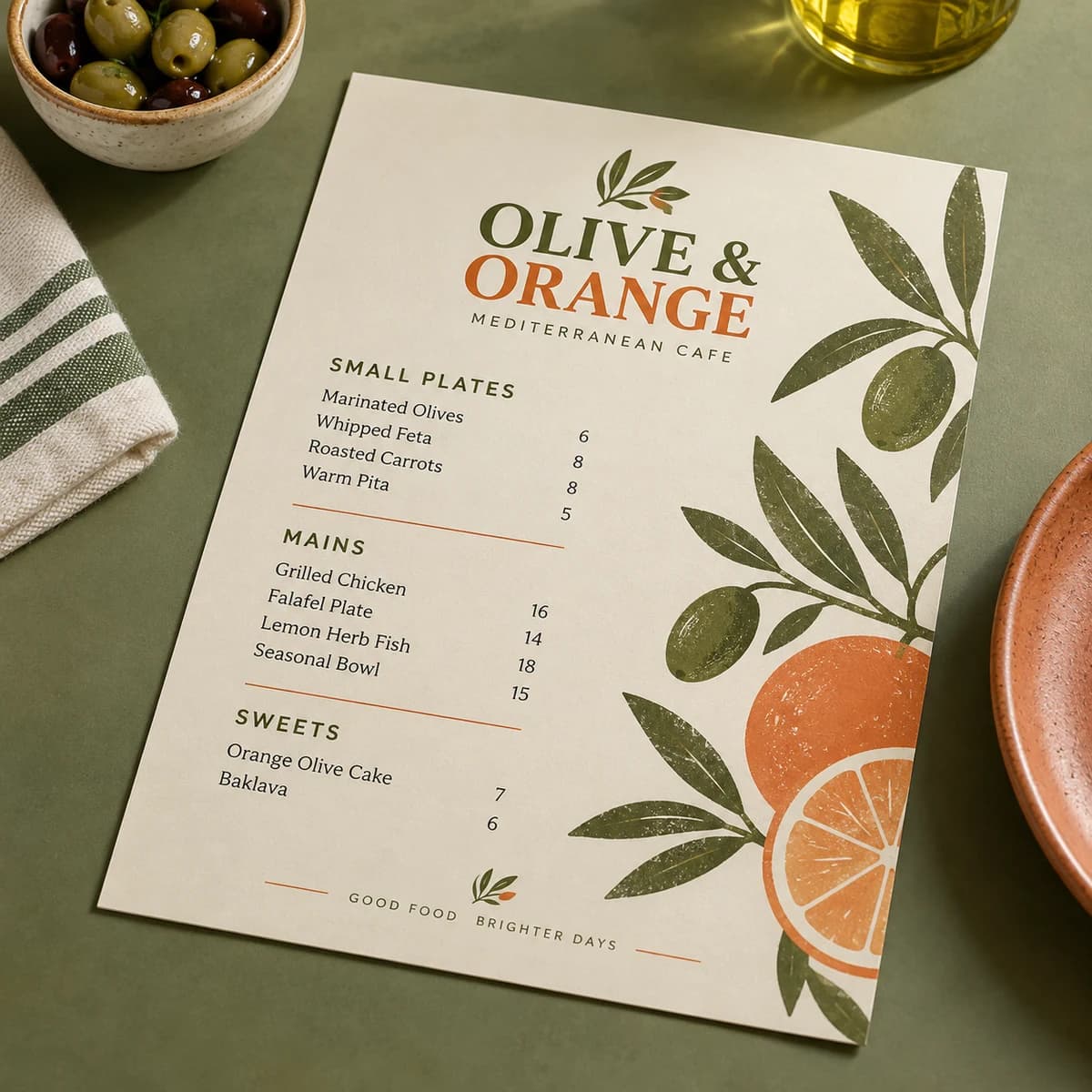
Your menu is your menu: make it feel like the food. Crisp, clean, and appetizing.
Choose options Start without artwork · Tax and delivery shown before payment.Three sizes and a water and tear resistant option, so the dinner menu survives the dining room while the drink insert stays cheap to reprint.
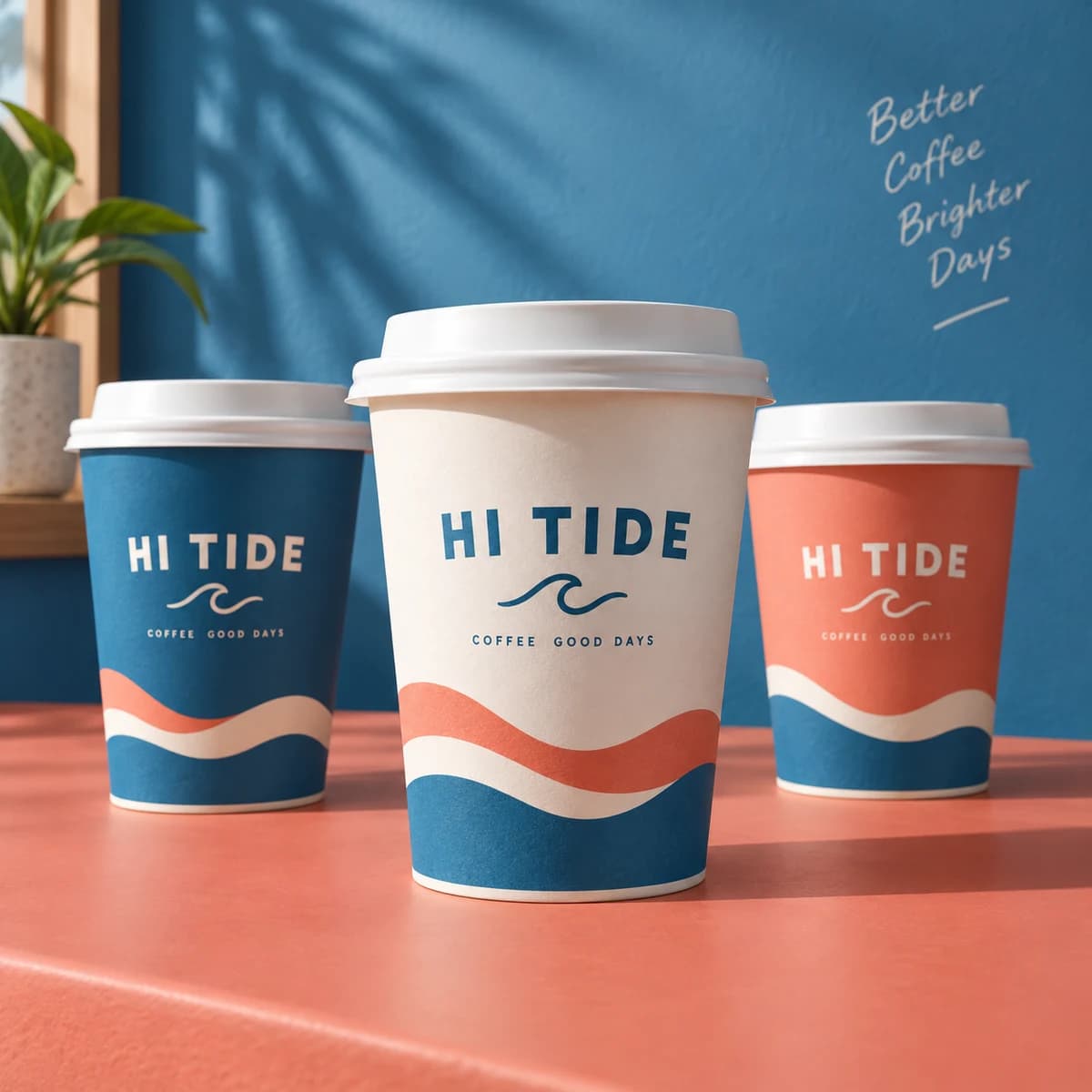
Your coffee's favorite outfit. Single or double wall paper cups in four sizes, printed plain, logo style, or full wrap.
Choose options Start without artwork · Tax and delivery shown before payment.Four sizes with a liquid proof inside coating and a choice of single or double wall, which decides whether a sleeve is optional or required.
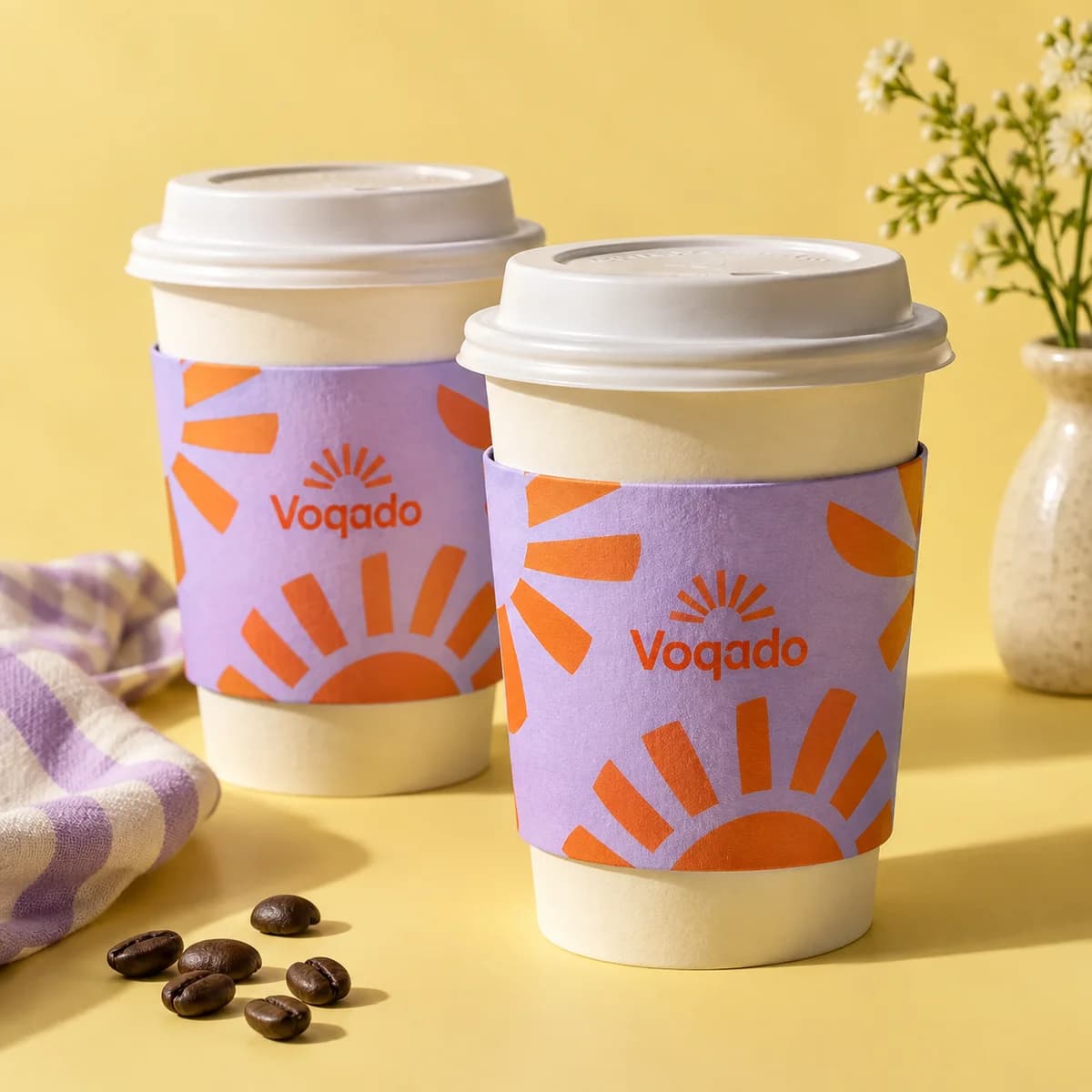
Comfy to hold, hard to miss. Custom coffee sleeves in premium embossed paperboard or budget friendly corrugated kraft: one size fits most cups.
Choose options Start without artwork · Tax and delivery shown before payment.One size fits most 12 to 24 ounce cups, so a single artwork file keeps heat in and covers your whole hot range.
Food costs move, suppliers drop items, and a seasonal special lasts six weeks. If every price sits on the same sheet as your story and your photography, a single supplier change forces a full reprint of the whole menu. Split the document instead. Put the parts that never change, the name, the story, the allergen note and the hours, on the piece you print in volume, and move the volatile list onto an insert you can run in small batches. A drink list at 3.75 by 8.25 inches is cheap to reprint and lives on the table beside the main menu. That structure also lets you test a price without discarding two hundred printed sheets.
Under 21 CFR 101.11 a covered establishment is a restaurant or similar retail food establishment that is part of a chain with 20 or more locations operating under the same name and offering substantially similar menu items. Those establishments must declare calories next to each standard menu item, adjacent to the name or the price, in a type size no smaller than the name or the price, whichever is smaller. The menu must also carry the exact succinct statement that 2,000 calories a day is used for general nutrition advice, but calorie needs vary. This changes your layout budget, so if you are opening toward that count, design the grid with the calorie column in it now rather than squeezing it in at location twenty.
A menu rarely wears out from reading. It dies from a spilled glass, a wet bus tub, or a server wiping it with a sanitizer cloth between covers. That is a material question, and matte, glossy and recycled papers all lose to it. Water and tear resistant synthetic and fine grit options exist for exactly this, and they cost more per sheet while surviving many times the turns. Decide by how the menu is handled: a laminated feeling synthetic for the table menu that stays in the dining room all night, a cheaper paper for the takeout insert that goes in the bag and never comes back.
The cup is the only piece of your print that walks down the street and gets photographed. It is also a system, not a single item. Single wall cups need a sleeve so the drink is holdable, double wall cups have built in insulation and do not. Lids are sold separately and fit across the size range, so the count you order has to match the cups or the counter runs out of one and not the other. Sleeves are one size fitting most 12 to 24 ounce cups, which means one sleeve design covers your whole hot range and one artwork file serves several cup sizes. Decide the wall type first, because it sets whether sleeves are a brand choice or a requirement.
Build the experience around the way guests order and return. Keep menus readable, give loyalty cards a clear next step, and carry the same identity onto cups and sleeves. Confirm the exact format, material, and intended food or drink use before preparing final artwork.
Build your brand kit →Only if you are a covered establishment. Under 21 CFR 101.11 that means a restaurant or similar retail food establishment that is part of a chain with 20 or more locations doing business under the same name with substantially similar menu items. Those menus must show calories next to each standard item, adjacent to the name or price and no smaller than whichever of those is smaller, plus the statement that 2,000 calories a day is used for general nutrition advice, but calorie needs vary. Independent single locations are outside the rule, though state and local rules can differ.
Synthetic or fine grit, both of which are offered as water and tear resistant. Regular coated paper handles reading but not a spilled glass or a sanitizer wipe, and it curls once it gets damp. The practical split is to spend on the table menu that stays in the room every service and stays cheap on the takeout insert that leaves in a bag. If your servers wipe menus between covers, treat that as daily liquid exposure and specify accordingly.
It depends on whether you want a sleeve. Double wall cups have built in insulation and can be served on their own, which is fewer items on the counter. Single wall cups are designed to pair with a sleeve, which gives you a second branded surface and lets one sleeve design cover several cup sizes. If you want the sleeve as a brand moment, or you already print sleeves, single wall is the cheaper path to a holdable hot drink.
Work from the table, not the content. The 11 by 17 inch sheet suits a full dinner menu where you want courses visible at once, 8.5 by 11 inches is the all rounder that fits most tables without crowding the settings, and 3.75 by 8.25 inches is the drink list or insert that sits beside the main menu. Measure a set table with glassware in place before committing, because a menu that has nowhere to rest gets held in front of a face and read badly.
Small business print · 6 MIN READ
Restaurant menu printing guide: common menu sizes, paper that survives service, lamination versus disposable menus, layout tips and a reprint schedule.
Read the guide
Small business print · 6 MIN READ
Plan gift certificate printing: standard sizes, sequential numbering, anti fraud features, expiration rules and a simple way to track redemptions.
Read the guide
Signs, banners & events · 7 MIN READ
A frame sign ideas by business type, 14 messages that work, layout rules for sidewalk reading, swappable inserts, and placement and weather tips.
Read the guide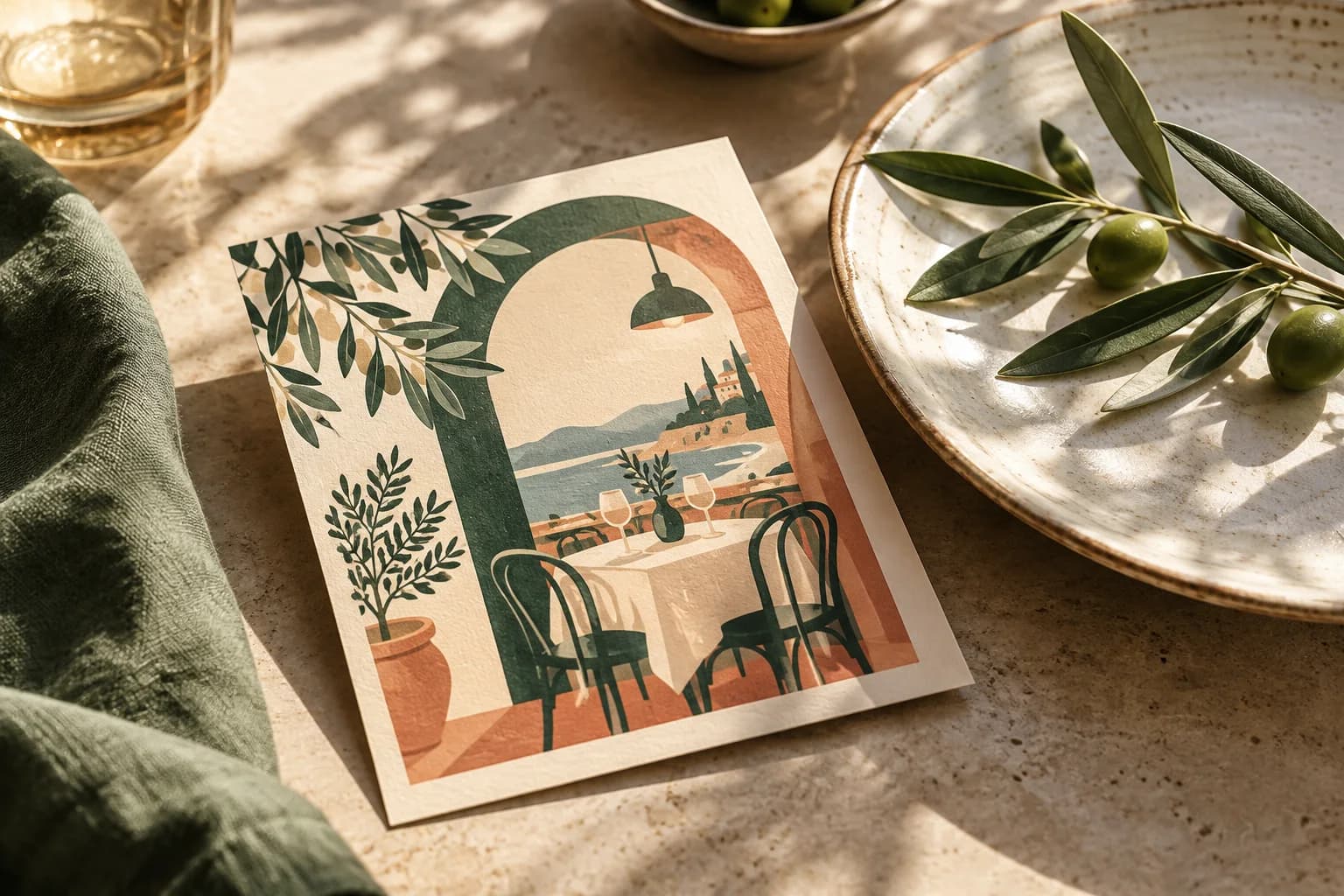
Postcard campaigns · 5 MIN READ
Restaurant postcard marketing works best for one occasion and one audience. See card ideas, sizes, offer rules, tracking and a timeline to plan around.
Read the guide START HERE
QR codes & links for print · 5 MIN READ
A QR code menu sign works when the code scans, the instruction is clear and the menu reads well on a phone. Plan size, placement, fallback and upkeep.
Read the guideHelp us improve Voqado with analytics? Details